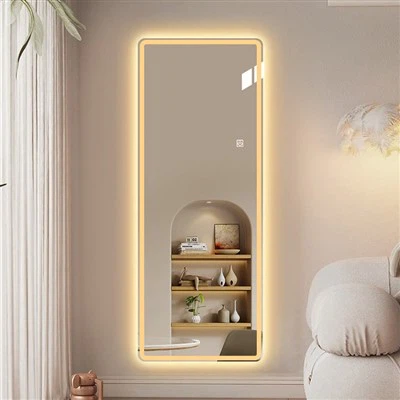
With the advancement of technology and changes in consumer demand, the decorative glass industry is welcoming an unprecedented wave of innovation. From high-performance architectural glass to personalized interior decoration, glass is no longer a simple transparent material. Instead, it has become the intersection of design, environmental protection and intelligent technology.
Outlook for decorative glass in 2025
Increasing demand for green architectural glass
With the global construction industry's emphasis on green buildings, energy-saving and environmentally friendly decorative glass will become an important trend in the future market. For example, photovoltaic glass, thermal isolation glass and self-cleaning glass will be more widely used. Photovoltaic glass integrates solar power generation technology. It can not only serve as the facade of the building, but also provide energy for the building. It has broad market prospects.

Popularization of intelligent and adaptive glass
Smart glass will no longer be a "new thing" in the future, but a common element in daily life. For example, the application of smart glass that automatically adjusts light transmittance in office buildings, commercial buildings, residential buildings and other places will become more popular. In addition, glass will have more adaptive functions. For example, automatically adjust light transmittance according to temperature changes, or integrate voice control and touch control functions.
High performance and aesthetics
In the future, decorative glass will not only provide beautiful appearance, but also have higher performance. In addition to good light transmittance and heat insulation, UV protection, wind pressure resistance, earthquake resistance and other properties will also become important indicators of decorative glass design. Decorative glass must not only meet design requirements aesthetically, but also meet the actual needs of buildings and families in terms of function.
Combination of augmented reality (AR) and decorative glass
With the development of augmented reality technology, decorative glass that can be linked with AR devices may appear in the future. This will be a big step for decorative glass. For example, through AR technology, consumers can view different colors, textures and pattern effects on glass in real time. Help them make more appropriate choices.
Challenges facing the decorative glass industry
Technology research and development and cost control
The technology of smart glass and high-performance glass is constantly improving. Especially high-end products, such as color-changing glass, light-controlled glass, etc. The price is relatively expensive. This makes it difficult for some small companies to enter the high-end market. Therefore, the question we need to consider arises: how to reduce costs and improve glass technology research and development capabilities.

Overcapacity and competitive pressure
With the rapid development of the industry, the competition in the decorative glass market is becoming more and more fierce. In order to expand their market share, some companies may increase their production capacity investment, resulting in overcapacity. Vicious price competition occurs from time to time. This not only affects the healthy development of the industry, but also has a negative impact on the profitability of some companies.
Pressure from environmental protection policies
As governments around the world pay more attention to environmental protection policies, decorative glass manufacturers need to comply with stricter environmental protection standards during the production process. For example, reducing the emission of harmful gases, using recycled glass, and reducing energy consumption in the production process. These are important issues that companies must face in their future development.