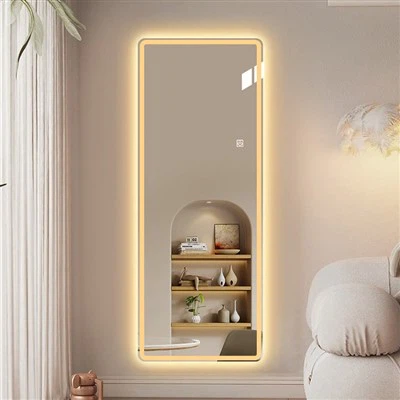
With the rapid development of modern science and technology, electronic products have become a ubiquitous item in our lives. From mobile phones to computers, from wearable devices to smart homes. The innovation behind each device is inseparable from the support of material science. Among many key materials, ultra-thin glass is becoming one of the core materials in the field of electronic products with its excellent performance and wide adaptability.
Application scenario 1: Smartphones and tablets
Smartphones and tablets are one of the most widely used and mature areas for ultra-thin glass. In these devices, ultra-thin glass is often used for touch screens, protective covers and camera lenses.
Touch screen
Ultra-thin glass has high light transmittance and low thickness. It is often widely used in the design of touch layer and cover plate of intelligent devices. In addition, the current requirements of some enterprise customers for product touch sensitivity, display effect and anti-fall performance are gradually increasing. Therefore, ultra-thin glass can reduce the overall thickness of the equipment, but also improve the reliability of the characteristics to meet the needs of the market.
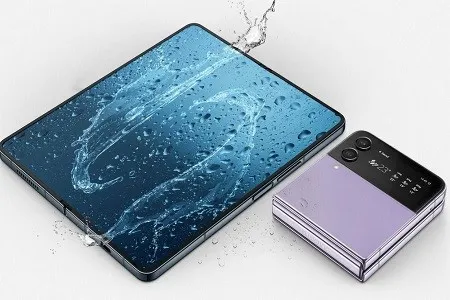
Folding screen
With the gradual maturity of flexible screen technology, ultra-thin glass is often used as one of the core substrate materials of flexible screen. As one of the flexible screen materials, it is playing an indispensable role in the development of electronic products today. Ultra-thin glass provides better durability and display in folding screens than traditional plastic substrates.
Camera module
Ultra-thin glass is also widely used in camera protection lenses. Ultra-thin glass can improve the optical image quality and support the miniaturization design of camera modules by reducing the lens. The continuous update of technology is now in line with the development trend of smart phones to thin and light.
Application scenario 2: Wearable devices
Wearable products such as smart watches, sports bracelets and AR and VR devices have high requirements for lightweight and durability of materials. Ultra-thin can meet the requirements at any point.
Display and touch interface
The touch and display of the watch face is the core of the user experience. Compared with plastic materials, ultra-thin glass has higher hardness and better scratch resistance. At the same time, it can also realize the design of curved screen and special-shaped screen, which improves the advanced sense of product appearance.
Lens and sensor protection
In AR and VR devices, the protection of sensors and lenses is a key link. Ultra-thin glass provides more reliable protection for equipment due to its excellent optical transparency and durability. At the same time, the optical performance will not be affected.
Application scenario 3: Smart home and Internet of Things devices
Ultra-thin glass also has broad application prospects in the field of smart home. From smart speakers to smart door locks, from home robots to smart mirrors, there is no ultra-thin glass.
Intelligent display
In smart mirrors and embedded smart display devices, ultra-thin glass can be used as both a display panel and a touch interface. In our interaction with the product, it has greatly improved the convenience. It also improves the overall design sense of the equipment.
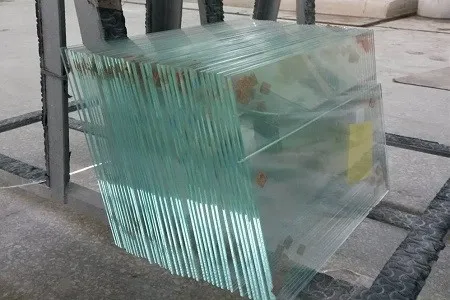
Protective and decorative materials
In the appearance design of smart home devices. Ultra-thin glass not only provides protective functions, but also presents rich decorative effects through coating, printing and other processes. To meet the needs of consumers for personalized products.
Application scenario 4: New energy and automotive electronics
With the popularity of new energy and smart cars, ultra-thin glass is gradually emerging in automotive electronics.
HUD head-up display
HUD (Head-up display), as one of the core interactive modules of intelligent vehicles, requires optical materials with high transparency, low reflectivity and excellent thermal resistance. Ultra-thin glass is widely used in HUD display system because of its excellent optical and mechanical properties.
Touch screen in car
The touch performance and visual experience of the car screen directly affect the user's driving experience. Ultra-thin glass meets the needs of a smart cockpit by providing a premium touch interface and impact protection. For high-end consumers, this greatly enhances the life experience.