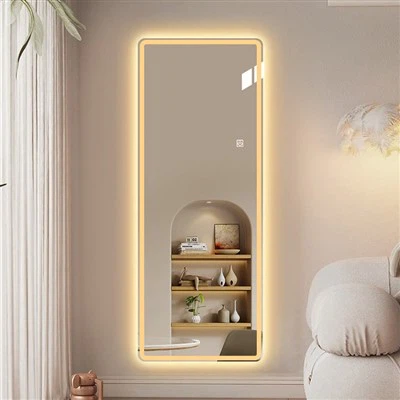
Reflective glass is widely used in our lives. It is an indispensable material in the fields of architecture, technology, decoration and so on. Its different types have unique optical properties, which can reflect, transmit or absorb light according to demand. The function of reflective glass will reflect different effects according to the different effects of the treatment of light.
Three types of reflective glass:
The definition principle of dichroic glass
Dichroic glass is a kind of glass material with unique optical properties. It is characterized by the ability to display different colors at different angles and light conditions. This effect is mainly achieved by depositing multiple layers of optical films on the glass surface.

Dichroic glass manufacturing process
The key to making dichroic glass is that the glass surface is coated with multiple optical films. The change process is as follows:
· Clean the glass surface: First of all, clean the glass surface. This is to remove dust and dirt from the surface of the glass. Ensure uniform adhesion of subsequent film layers.
· Film deposition: Dichroic glass manufacturers mostly deposit multi-layer film materials on the glass surface through vacuum coating technology. This step should pay attention to the manufacturing environment to ensure that the film is accurately attached to the glass.
· Multilayer coating: The application of multiple thin film layers of different materials on the glass surface to form a complex optical system. These films have different refractive indices and are the key to the function of dichroic glass.
· Surface treatment: Finally, additional surface treatment should be applied to the glass. Such as anti-fouling and anti-scratch coatings. This step is to increase the durability and ease of cleaning of dichroic glass.
The definition principle of anti-reflective glass
Anti-reflection glass, AR glass for short. It is a specific anti-reflective coating on the surface of the glass, which can reduce the reflectivity of the glass. The main function of anti-reflection glass is to reduce the glare caused by light reflection, so that the transmittance is greatly improved.

Manufacturing process of anti-reflective glass
The process of making anti-reflective glass consists of the following steps:
· Glass surface cleaning: In order to ensure the adhesion and uniformity of the coating, it is first necessary to thoroughly clean and dry the glass surface. Remove dust and dirt from its surface.
· Sputtering or evaporation coating: The anti-reflection coating of anti-reflective glass generally uses vacuum sputtering, vacuum evaporation or electron beam coating and other processes to cover one or more layers of transparent film on the glass surface.
·Multilayer structure: In some high-end anti-reflection glasses, a multilayer structure may be used to further reduce reflection. After the multi-layer structure filters the light, it can reduce a lot of reflections, and improve the transmission effect.
· Surface treatment: After the coating is completed, the glass surface can also be treated with anti-scratch and anti-fingerprint. This is to enhance the durability of anti-reflective glass and ease of daily use.
The definition principle of one-way glass
One-way glass is a special type of glass. It is coated with a layer of metal or other reflective material on the glass surface through a specific coating process during the production process. The application of the coating process makes the one-way glass appear as a mirror on one side. Those on the outside can only see their own reflection, while those on the inside can clearly see the outside.

One-way glass manufacturing process
One-way glass is generally manufactured by vacuum coating or chemical coating process. By coating the glass surface with an extremely thin film of metal oxide, a strong reflection effect can be formed. The metal oxide film does not block the passage of light, and its thickness can be controlled. The reflection effect desired by the customer can be achieved by controlling the thickness of the metal oxide film.