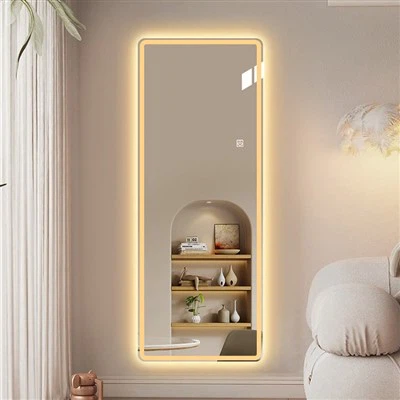
Pink tinted glasses can serve different purposes depending on the product. Pink-tinted eyewear lenses may be used for style or specific visual applications, while pink tinted mirror glass is primarily designed for decorative interiors, furniture, and commercial spaces. A rose tinted mirror combines a reflective surface with a pink or rosy tone, creating a distinctive visual effect that can complement modern bedrooms, boutique interiors, hotel spaces, and custom furniture.
For architects, interior designers, contractors, furniture manufacturers, and project buyers, pink tinted mirrors offer an alternative to conventional silver mirrors when color is an important part of the design. Their appearance can coordinate with blush fabrics, warm metallic finishes, neutral wall coverings, and contemporary furniture.
When selecting a pink mirror, buyers should consider its exact color, reflective quality, dimensions, edge processing, and installation environment. These factors help determine whether the product is appropriate for a decorative wall, furniture component, or larger commercial installation.
What Is a Pink Tinted Mirror?
A pink tinted mirror is a reflective glass product with a pink-toned appearance.  Depending on the manufacturing process, the color may come from the glass substrate, reflective coating, or a combination of materials and processing methods.
Pink mirror finishes can range from pale blush and soft rose to deeper pink and reddish tones. Some products have warmer undertones, while others create a cooler, more distinctly pink reflection. The actual appearance depends on the product specification and surrounding lighting.
Unlike transparent pink glass, a pink tinted mirror is designed to provide reflection rather than allow people to see through it. This distinction matters when specifying materials for interior decoration, furniture, and architectural projects.
Typical applications include:
Decorative wall panels in bedrooms, living rooms, and dressing areas.
Wardrobe doors, dressing tables, and cabinet inserts.
Feature walls in boutiques, salons, and hospitality interiors.
Custom furniture and retail display installations.
Decorative accents coordinated with pink, beige, gray, or metallic finishes.
For larger projects, requesting a physical sample is a practical way to confirm the shade and reflective appearance before approving production.
Related Post: "The Difference Between A Mirror And Glass"
What Are Pink Tinted Mirrors Used For?
Pink tinted mirrors are primarily used to introduce color and reflection into interior spaces. They can serve as decorative features or as integrated components of furniture and display systems.
1. Bedroom Feature Walls
A pink mirror can create a focal point behind a bed or on a decorative bedroom wall. It works particularly well with cream upholstery, blush bedding, light gray finishes, and warm metallic accents. Designers can use a large panel or a series of smaller mirror sections to establish the desired visual effect. Panel dimensions, joints, edge finishing, and fixing methods should be coordinated with the interior drawings before fabrication. For hospitality projects, pink mirror panels can also be considered for selected guest-room interiors where a distinctive decorative finish is required.
Related Post: "What Are The Current Trends in Bathroom Mirrors?"
2. Dressing Rooms and Furniture
Pink mirrors can be incorporated into wardrobe doors, dressing tables, cabinets, and decorative furniture panels. Their color provides an alternative to standard silver mirrors and can help coordinate the furniture with a specific interior palette. For example, a pink mirror panel may complement a dressing table with cream-colored cabinetry and champagne-toned hardware. However, the reflective quality should be checked if the mirror will also be used for everyday grooming. Furniture manufacturers should confirm the glass dimensions, thickness, edge processing, and mounting method before production. These details are important for ensuring the mirror fits the finished furniture assembly.
3. Beauty Stores and Boutique Interiors
Beauty shops, cosmetics stores, fashion boutiques, and salons can use pink mirrors in display areas, feature walls, counters, and selected fitting-room installations. The colored reflection can reinforce a soft or contemporary visual identity. It can also be coordinated with shelving, lighting, wall finishes, and display furniture. When using pink mirror glass near merchandise, designers should assess the reflection under the actual store lighting. Colored reflective surfaces can influence how surrounding products appear, so neutral lighting and carefully selected placement may be important.
Related Post: "Five Types Of Decorative Glass"
4. Hotels, Restaurants, and Commercial Interiors
Hotels and other commercial venues may use pink mirrors as decorative elements in guest rooms, lounge areas, reception spaces, and selected feature walls. Restaurants and cafés may also incorporate them into accent panels or custom furniture. For these environments, project teams should consider durability requirements, cleaning methods, installation details, and the suitability of the mirror backing for the intended conditions. A decorative finish should be selected as part of the overall material scheme rather than in isolation. Coordinating the mirror with flooring, upholstery, metalwork, and lighting helps create a balanced interior.
5. Custom Decorative Panels
Pink tinted mirrors can also be used in bespoke wall features, display cabinets, console units, and decorative furniture elements.
Custom installations may require specific dimensions, shapes, polished edges, holes, or cut-outs. The availability of these options depends on the product and its processing requirements, so buyers should discuss fabrication details before confirming an order.
Related Post: "Where To Add Decorative Glass"
How to Choose the Right Color Tinted Mirror
Choosing a color tinted mirror involves more than selecting a pink shade from a catalog. Buyers should evaluate the product's appearance, technical specifications, fabrication requirements, and intended installation.
Color and Reflective Appearance
Pink mirror glass can vary considerably in tone. A pale blush finish may appear subtle in a bright interior, while a deeper rose finish can create a more prominent decorative feature. Lighting also influences the perceived color. Daylight, warm lighting, and cool LED illumination can make the same product appear different. For projects that require color consistency, request a sample and assess it under lighting similar to the final installation. If multiple panels will be installed together, confirm the approved sample and discuss batch variation with the supplier.
Glass Thickness and Panel Dimensions
The appropriate glass thickness depends on panel dimensions, support conditions, mounting design, and applicable safety requirements. Large panels may require additional planning for transportation, handling, and installation. Buyers should provide drawings or dimensional specifications to help the supplier assess whether the requested product is suitable for the intended application.
Edge Processing and Fabrication
Depending on the product, processing options may include polished edges, drilled holes, cut-outs, and custom shapes. Not every mirror product is suitable for every fabrication method. For furniture applications, confirm how the mirror will be supported and secured. For wall installations, coordinate the fixing system with the installer or project engineer before production.
Installation Environment
A mirror designed for a dry bedroom may have different requirements from one installed in a bathroom or another moisture-prone space. Before specifying pink mirror glass for humid environments, confirm the suitability of its backing, edge protection, and installation method. A decorative color alone does not establish that the mirror is suitable for wet conditions.
Related Post: "Can Any Mirror Be Used In The Bathroom"

What Should Buyers Look for in a Tinted Mirror Supplier?
Choosing the right tinted mirror supplier is an important part of project procurement. Buyers should assess not only the color sample but also the supplier's ability to meet technical requirements, provide consistent products, and communicate clearly throughout the order process.
Consider the following questions:
What glass construction and reflective coating are used?
Which pink shades, thicknesses, and dimensions are available?
Can physical samples be supplied for approval?
What cutting, edge-polishing, and other fabrication options are supported?
What backing and installation requirements apply?
How are product inspection and protective packaging handled?
When comparing colored mirror suppliers, it is useful to evaluate their product range, customization options, sample quality, and experience with similar applications. A reliable glass supply company should be able to explain the available specifications and clarify which options are suitable for the intended project. Buyers should provide complete requirements, including dimensions, finish preferences, processing details, and installation conditions.
Working with a capable decorative mirror manufacturer can also help coordinate custom specifications and fabrication requirements. For projects involving multiple panels or repeat orders, confirm the approved sample, dimensional tolerances, and expectations for consistency before production begins.
For larger architectural or commercial orders, commercial glass suppliers should also be evaluated on their ability to support packaging, handling, documentation, and project coordination. A glass panel supplier should understand the practical requirements of transporting and installing the specified panels, particularly when the order includes large or customized pieces.
Related Post: "How Are Mirrors Made"
How Luck Glass Supports Pink Tinted Mirror Projects
Luck Glass supports buyers sourcing decorative glass and mirror products for architectural interiors, furniture manufacturing, and commercial projects.
For a pink tinted mirror project, the selection process begins with the intended application, preferred shade, panel dimensions, and installation environment. These details help establish which product specifications and processing options need to be reviewed.
Project discussions may cover available finishes, thickness requirements, custom dimensions, edge processing, and packaging considerations. When the color is central to the design, requesting a sample can help buyers evaluate the reflective appearance before approving a larger order.
For distributors, furniture manufacturers, contractors, and project buyers, confirming specifications early can support coordination between design drawings, fabrication requirements, and installation planning.
Luck Glass can help buyers review suitable product options and discuss project-specific requirements. Final selection should be based on confirmed specifications and the intended application rather than relying on color names alone.
Related Post: "What Is Back Painted Glass"
Frequently Asked Questions
Are pink tinted glasses the same as pink tinted mirrors?
No. Pink-tinted eyewear lenses are designed for use in glasses and may serve visual or stylistic purposes depending on their specifications. Pink tinted mirrors are reflective glass products primarily used in decorative interiors, furniture, and commercial applications.
What is a rose tinted mirror used for?
A rose tinted mirror is commonly used for decorative wall panels, dressing tables, wardrobes, furniture, boutiques, salons, and selected hospitality interiors. Its colored reflection adds a distinctive visual element to an interior design scheme.
Can pink tinted mirror glass be customized?
Some products can be supplied in selected dimensions, thicknesses, shapes, and processed formats. Available options depend on the specific product and manufacturing capabilities. Buyers should confirm their requirements with the supplier before finalizing drawings.
How can buyers maintain color consistency across multiple panels?
Approve a physical sample before production, confirm the product specification, and discuss acceptable color variation with the supplier. For large installations, ask about batch consistency and finished-panel inspection procedures.
Is pink tinted mirror suitable for commercial projects?
It can be suitable for many decorative commercial applications, including boutiques, hotels, furniture displays, and feature walls. The product should be assessed for its intended environment, installation method, fabrication requirements, and applicable safety considerations.
Final Thoughts
Pink tinted mirrors provide a decorative alternative to conventional silver mirrors for projects that require a distinctive reflective finish. They can complement bedrooms, dressing areas, furniture, boutiques, hotels, and other commercial interiors when their color is coordinated with the surrounding materials.
For successful procurement, buyers should focus on sample approval, color consistency, confirmed dimensions, fabrication compatibility, and installation requirements. Working with an experienced supplier can help translate a design concept into a practical finished product.