Bronze glass has become a popular choice in architectural and interior design because it combines a warm, sophisticated appearance with practical benefits for modern buildings. Its subtle brown tone adds visual depth to windows, doors, partitions, façades, and decorative installations without relying on additional colors or surface patterns. For architects, interior designers, contractors, and commercial project buyers, bronze-tinted glass offers an alternative to standard clear glass when a design calls for a more distinctive appearance. Euro Bronze Glass is particularly relevant for projects that require a refined bronze tone alongside the transparency and versatility of architectural glass. Depending on its specification and application, bronze glass can help manage visible light, reduce glare, and create a consistent visual style across different parts of a building. Understanding its benefits, limitations, and available processing options helps project teams make informed material decisions.
What Is Bronze Glass?
Bronze glass is a type of tinted glass with a characteristic warm brown, bronze, or subtle amber appearance. Its color is typically created during manufacturing through the glass composition, rather than being applied as an ordinary decorative paint layer. The resulting tint gives the material a distinctive look while allowing light to pass through.
Unlike standard clear glass, bronze glass changes the visual character of a space. It can create a warmer atmosphere, complement natural materials, and add contrast to modern architectural designs. Depending on the product specification, it may be used in building windows, glass doors, curtain wall systems, furniture, partitions, and decorative applications.
The appearance and optical performance of bronze glass vary according to the glass composition, thickness, and processing. A thinner panel may appear relatively light, while a thicker panel can look darker when viewed through its edge or across the glass. For this reason, architects and buyers should assess the actual product sample under lighting conditions similar to those of the intended installation.
Euro Bronze Glass is a product option for projects seeking a coordinated bronze-colored appearance. Before specifying it, project teams should confirm the manufacturer's available dimensions, thicknesses, processing capabilities, and technical documentation.
Related Post :"What Does Tinted Glass Mean? Uses And Benefits Explained"
What Are the Main Benefits of Bronze Glass?
Bronze glass offers several advantages that make it suitable for architectural and commercial applications. Its value lies in the combination of visual appeal, light transmission, and compatibility with different design approaches.
1. A Warm and Sophisticated Appearance
One of the main reasons designers select bronze glass is its distinctive color. Compared with ordinary clear glass, bronze-tinted glass introduces warmth and visual depth without making the material look heavily decorated.
This quality makes it suitable for buildings that combine glass with wood, stone, metal, concrete, or warm neutral finishes. Bronze glazing can complement both contemporary and traditional architectural styles, particularly where designers want a cohesive palette across windows, entrances, and interior partitions.
For commercial spaces, the tint can also help establish a recognizable visual identity. Hotels, offices, retail stores, and premium residential developments may use bronze glass to create a more considered appearance while maintaining the benefits of glazed construction.
2. Light Transmission with a Tinted Appearance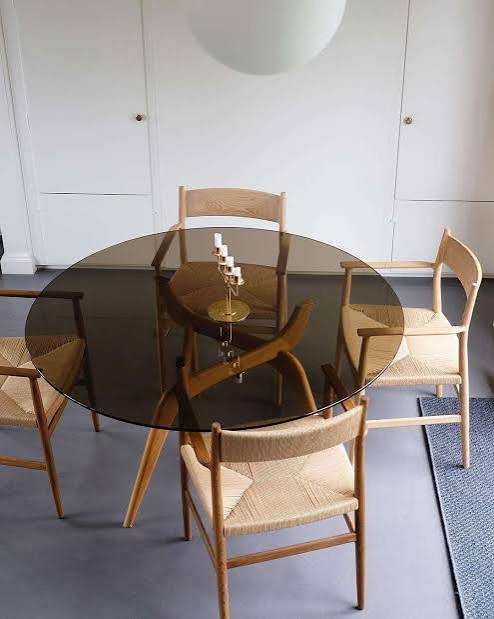
Bronze glass allows daylight to pass through while modifying the color and intensity of the transmitted light. The degree of light transmission depends on the product's composition and thickness, so different specifications may produce noticeably different interior effects.
In spaces with extensive glazing, tinted glass can change the quality of daylight and create a softer visual atmosphere. However, bronze tint does not automatically guarantee a particular level of glare reduction or solar control. Those properties should be evaluated using the relevant technical data for the selected glass.
3. Greater Design Flexibility
Bronze glass can be incorporated into a range of architectural systems and customized products. Depending on the specification, it may be cut, polished, tempered, laminated, or assembled into insulating glass units.
This flexibility allows designers to coordinate the glass with different project requirements. A building may use bronze glass for selected windows, entrance systems, interior partitions, or decorative elements while maintaining a consistent visual theme.
For larger developments, specifying the glass family and finish early in the design process can help improve visual consistency across different building areas.
4. Compatibility with Contemporary Architectural Styles
Bronze glazing works particularly well with modern façades and interiors that use neutral colors, clean lines, and mixed materials. Its warm tint can soften the appearance of metal framing and create contrast against lighter exterior finishes.
It can also be used in renovation projects where the design calls for a warmer alternative to clear or grey glass. The final result depends on the relationship between the glass color, frame finish, lighting, and surrounding materials.
|
Benefit |
Architectural Value |
Important Consideration |
|---|---|---|
|
Warm bronze appearance |
Adds visual depth and a refined finish |
Confirm the actual color using a sample |
|
Tinted daylight |
Changes the visual quality of transmitted light |
Check visible light transmission data |
|
Design versatility |
Supports different architectural and interior styles |
Confirm processing compatibility |
|
Potential glare and solar-control benefits |
May help moderate light and solar energy |
Verify performance using technical specifications |
|
Multiple application options |
Can suit windows, partitions, doors, and decorative glazing |
Select the appropriate safety and installation system |
Where Is Euro Bronze Glass Commonly Used?
The applications of euro bronze glass extend across commercial architecture, residential construction, and interior design. The best application depends on the required appearance, the building's environmental conditions, and the performance specification.
Commercial Building Façades and Windows
Bronze glass can provide a warm, distinctive appearance for commercial façades. It may be considered for office buildings, hotels, retail developments, and mixed-use projects where the design requires a coordinated exterior finish.
For façade applications, appearance is only one part of the specification. Designers must also consider thermal performance, solar heat gain, visible light transmission, wind loads, safety requirements, and compatibility with the framing system. Where energy performance is important, the glass may need to be incorporated into an appropriately designed insulating glass unit.
Residential Windows and Doors
In residential projects, bronze glass offers an alternative to clear glazing when homeowners or designers prefer warmer tones. It can complement timber finishes, earthy color palettes, and contemporary exterior materials.
Bronze tint may modify the brightness and color of the view through the window, so the intended effect should be reviewed before ordering. Privacy should also be assessed carefully: tinted glass is not automatically one-way privacy glass, and visibility depends on lighting conditions and the specific product.
Interior Partitions and Decorative Glass
Bronze glass can be used in selected interior partitions, doors, display units, and decorative installations. It introduces color while retaining a glazed appearance, making it suitable for spaces that require visual separation without relying entirely on solid materials.
For office or hospitality interiors, designers can coordinate bronze panels with dark metal frames, warm lighting, and natural finishes. If the application involves human impact or large unsupported panels, the specification should include appropriate safety-glazing and structural considerations.
Related Post :"How Does One Way Tinted Glass Work?"
Does Bronze Glass Help with Glare and Solar Heat?
Bronze-tinted glass can reduce the amount of visible light passing through the glazing compared with some clear-glass products. Depending on its composition and specification, it may also affect solar energy transmission. These characteristics can be useful in buildings where the design team needs to balance daylight, visual comfort, and the appearance of the façade.
However, tinted glass should not be treated as a complete solar-control solution without reviewing its performance data. Two bronze-colored products may have different visible light transmission, solar heat gain, and total solar energy transmittance values. The color alone does not establish how effectively a product will control heat or glare.
For buildings exposed to strong sunlight, project teams should review the relevant performance values and consider the orientation of the glazing. East- and west-facing windows, for example, may experience different solar conditions from north-facing windows, depending on the building's location and climate.
Where specific energy or comfort targets apply, bronze glass may be combined with suitable coatings or insulating glass configurations, provided the proposed construction is compatible with the project's requirements.
Related Post :"Tinted Glass: Unlocking Its Many Applications"
Products Description
Choosing the right product requires a clear understanding of the application rather than simply selecting a color. Thickness, panel size, processing, installation conditions, and performance requirements all influence the suitability of the final glass.
For architectural projects, the following considerations are especially important:
Glass thickness and dimensions: Confirm panel sizes, tolerances, and support conditions.
Color consistency: Review samples and confirm expectations for the finished installation.
Safety requirements: Determine whether tempered or laminated glass is required by the application and applicable regulations.
Optical and solar performance: Check technical data rather than assuming all bronze glass performs identically.
Fabrication requirements: Confirm compatibility with cutting, edge polishing, drilling, tempering, or insulating-glass assembly.
Installation environment: Consider exposure, framing, hardware, and maintenance requirements.
For large projects, requesting technical documentation and confirming specifications before production can reduce the risk of inconsistent appearance or unsuitable fabrication.
What Should Buyers Know About Bronze Glass Suppliers?
Selecting a reliable supplier is essential when bronze glass is required for a commercial development or a customized architectural installation. Buyers should evaluate more than product availability; manufacturing consistency, processing capability, technical communication, and delivery coordination also affect the project's outcome.
Experienced Euro Bronze Glass manufacturers should be able to explain their available product specifications, clarify processing limitations, and provide the information needed for project evaluation. Buyers should confirm the precise product name and specification because similar bronze-colored products may not have identical optical or physical characteristics.
For international procurement, a China Euro Bronze Glass factory may be an option for buyers seeking customized dimensions or processed glass products. The manufacturer's suitability should be assessed through its production capabilities, quality-control procedures, documentation, and experience with comparable applications.
Likewise, buyers researching China Euro Bronze Glass suppliers should confirm whether the supplier manufactures the glass directly or coordinates production through other facilities. Understanding the supply arrangement can help establish clear responsibility for product specifications, quality checks, and delivery.
When comparing commercial glass manufacturers and glass panel manufacturers, project teams should focus on:
|
Evaluation Area |
Questions to Confirm |
|---|---|
|
Product specifications |
Are thickness, color, and dimensions clearly defined? |
|
Processing capability |
Can the supplier meet the required fabrication details? |
|
Quality control |
How are dimensional accuracy and visual consistency checked? |
|
Technical documentation |
Are relevant product and performance data available? |
|
Project coordination |
Can the supplier communicate requirements and delivery details clearly? |
A well-defined specification and a supplier who understands the application are important foundations for a successful project.
Related Post :"The Top 10 Glass Manufacturers in China For 2026: A B2B Buyer's Guide"
Why Choose Luck Glass for Euro Bronze Glass?
Luck Glass supports architectural, commercial, and interior projects requiring customized glass products. For customers considering Euro Bronze Glass, the selection process begins with understanding the intended application, desired appearance, panel dimensions, and fabrication requirements.
Different projects place different priorities on the material. A façade project may require coordinated visual appearance and suitable thermal performance, while an interior installation may focus more on color, edge finishing, and hardware compatibility. Confirming these details before production helps the supplier assess the requirements and identify a suitable product configuration.
Luck Glass works with project buyers, contractors, designers, and distributors seeking glass solutions for a range of applications. Clear communication about specifications, processing, and intended use helps align manufacturing with the needs of each project.
For large orders, customers should provide drawings or dimensions where available and clarify applicable safety or performance requirements. This supports more accurate technical discussions and helps reduce avoidable changes during fabrication.
Frequently Asked Questions
Is bronze glass transparent?
Yes. Bronze glass is generally transparent, but its tint changes the color and amount of light passing through it. The degree of transparency and visible light transmission depends on the specific product and its thickness.
Does bronze glass provide privacy?
Bronze tint may reduce visibility under some conditions, but ordinary bronze glass should not be assumed to provide one-way privacy. The level of privacy depends on the glass specification, lighting, viewing angle, and surroundings.
Is bronze glass suitable for commercial buildings?
It can be suitable for façades, windows, doors, and interior applications when the selected product meets the project's design, safety, structural, and performance requirements.
What information should I provide when requesting a bronze glass quotation?
Provide the required thickness, panel dimensions, quantity, processing details, application, and delivery destination. If the project has specific color, thermal, safety, or optical requirements, include those details as well.
Final Thoughts
Bronze glass offers architects, designers, and project buyers a way to introduce warm color, visual depth, and design flexibility into modern buildings. From commercial façades and residential windows to interior partitions and decorative installations, it can support a wide range of design objectives when the specification is carefully selected.
Euro Bronze Glass should be evaluated not only for its appearance but also for its light transmission, solar performance, thickness, processing requirements, and suitability for the intended installation. Comparing technical data and confirming samples before production can help ensure that the finished product matches the design expectations.
Working with an experienced manufacturer also helps project teams coordinate specifications, customized fabrication, and supply requirements more effectively.
Related Post :"Luck Glass At GlassBuild America 2026"