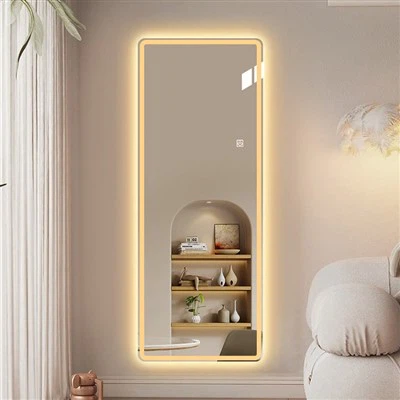
Clear glass is one of the most widely used materials in modern architecture, interior design, furniture manufacturing, and commercial construction. Its transparency allows natural light to enter a space while maintaining visual connections between different areas, making it suitable for windows, doors, partitions, display cases, and a wide range of customized applications. Although clear glass may appear simple, its composition, thickness, processing method, and optical quality can significantly affect its performance in a finished project. For architects, contractors, distributors, and project buyers, understanding these differences is essential when selecting a suitable product. 15mm Clear Glass is particularly relevant for applications that require a substantial glass thickness, a clean appearance, and the flexibility to support customized fabrication. Working with experienced clear glass manufacturers also helps ensure that the selected material meets the project's dimensional, processing, and installation requirements.
What Is Clear Glass Made Of?
Clear glass is generally produced from silica sand, soda ash, limestone, and other carefully controlled raw materials. These ingredients are mixed and melted at high temperatures to form molten glass, which is then shaped, cooled, and processed into sheets or other product forms.
During manufacturing, the composition and production conditions influence the glass's transparency, color, surface quality, and consistency. Standard clear glass may show a subtle green tint when viewed through its edge, especially when the glass is thick. This effect is associated with iron content in the glass and becomes more noticeable as the viewing path through the material increases.
Clear glass is popular because it combines a neutral appearance with broad design flexibility. It can be cut, polished, drilled, laminated, or tempered when the glass composition, dimensions, and intended application permit the relevant processing. The appropriate fabrication route depends on the final product and its performance requirements.
For commercial projects, the term clear glass does not automatically mean that every product has identical optical characteristics or strength. Buyers should distinguish between standard clear glass and low-iron ultra-clear glass, as well as between annealed glass and safety-glass products that have undergone additional processing.
Related Post: "What Are The Different Types Of Decorative Glass? A Complete Guide, Applications And Sourcing"
What Are the Main Characteristics of Clear Glass?
Clear glass offers several characteristics that make it useful across architectural and industrial applications. Its greatest advantage is transparency: it allows occupants to see through the material while preserving a physical separation between spaces.
It also works with a wide range of interior styles. Clear glass can complement wood, metal, stone, concrete, and other construction materials without introducing a strong color of its own. In commercial settings, this neutral appearance helps products, furnishings, and architectural details remain visually prominent.
Another important characteristic is its processing flexibility. Depending on the original glass specification and fabrication requirements, manufacturers can produce customized panels for windows, doors, partitions, furniture, and display installations.
|
Characteristic |
Practical Benefit |
Project Consideration |
|---|---|---|
|
Transparency |
Maintains visual openness |
Optical appearance depends on glass type and thickness |
|
Natural light transmission |
Helps daylight enter interior spaces |
Actual transmission varies with thickness and processing |
|
Neutral appearance |
Complements different design styles |
Standard clear glass may show a green edge tint |
|
Fabrication flexibility |
Supports different shapes and finished products |
Processing must suit the final application |
|
Multiple thickness options |
Accommodates different design requirements |
Thickness alone does not establish safety or load capacity |
For project teams, the important question is not simply whether the glass is clear, but whether its optical appearance, thickness, and processing are appropriate for the intended installation.
Understanding 15mm Clear Glass
15mm Clear Glass is a thick clear-glass option used in selected architectural, interior, furniture, and commercial applications. Its substantial profile can provide a solid visual appearance, making it useful for designs in which the glass itself is intended to be a prominent material element.
Depending on the project, 15mm glass may be considered for glass furniture components, display installations, certain partitions, and other applications requiring a thicker panel. However, the suitability of a particular product depends on its dimensions, support conditions, edge treatment, applied loads, and applicable building or safety requirements.
A thicker panel is not automatically suitable for every structural or overhead application. Glass selection should account for the complete installation system, including fixings, framing, loading conditions, and whether the specification requires tempered or laminated safety glass.
When Is 15mm Clear Glass a Suitable Choice?
The thickness is most useful when it aligns with the functional and visual requirements of the project. For example, a designer may prefer a thick glass panel to achieve a substantial edge appearance in a furniture installation or display structure. A commercial project may require a specific thickness to fit an existing system or a defined fabrication design.
Before production, the project team should confirm panel dimensions, tolerances, edge finishing, holes or cutouts, and the intended installation method. These details can affect manufacturing feasibility and the finished product's suitability.
For larger projects, early coordination between the designer, fabricator, installer, and supplier helps reduce specification changes and installation problems.
Standard Clear Glass vs. Ultra-Clear Glass
Standard clear glass and ultra-clear glass serve many of the same purposes, but they differ in their optical appearance. Standard clear glass typically contains more iron than low-iron glass, which can create a subtle green tint that becomes more visible at the edges of thicker panels.
Ultra-clear glass is manufactured to reduce this iron-related coloration. It is often selected for applications where color neutrality is particularly important, such as premium display cases, glass furniture, retail interiors, and design projects featuring thick glass edges.
A China Ultra Clear Glass factory may be considered by international buyers seeking customized glass products for architectural or decorative projects. When evaluating a manufacturer, buyers should review the actual product specification and confirm whether the material meets the required optical and processing expectations.
|
Comparison |
Standard Clear Glass |
Ultra-Clear Glass |
|---|---|---|
|
Appearance |
Clear, with a possible green edge tint |
More neutral appearance with reduced green tint |
|
Typical applications |
Windows, partitions, furniture, general glazing |
Display installations, premium interiors, applications sensitive to glass color |
|
Thick-edge appearance |
Green tint may become more noticeable |
Generally less green coloration |
|
Selection priority |
General transparency and project suitability |
Greater color neutrality and optical presentation |
Ultra-clear glass is not automatically the best choice for every project. The appropriate option depends on the visual requirements, thickness, processing, and final application.
Related Post: "What Type Of Glass Is Best For A Front Door? Safety, Style, Light, And Application Guide"

Common Applications of Clear Glass
Clear glass is used throughout the built environment because it provides transparency without requiring a specific decorative pattern or strong color. Its adaptability makes it suitable for both standard construction products and customized installations.
Architectural Windows and Doors
Windows are among the most familiar applications of clear glass. They help bring daylight into homes, offices, retail spaces, and other buildings while providing a view of the surrounding environment. Clear glass is also used in door systems, sidelights, and selected glazed entrances.
The final specification must account for the building location, thermal performance requirements, wind loads, safety regulations, and framing system. Where energy efficiency is a priority, clear glass may be incorporated into insulated glazing units or combined with suitable coatings, depending on the design.
Interior Partitions and Commercial Spaces
A clear glass panel can divide a room without making it feel visually enclosed. Offices, conference rooms, reception areas, showrooms, and commercial interiors often use glass partitions to create distinct zones while maintaining a sense of openness.
Panel thickness, edge finishing, hardware compatibility, and safety-glazing requirements should be confirmed before fabrication. In frequently occupied areas, the design should also consider human impact and the visibility of glazed surfaces.
Furniture and Display Installations
Clear glass is widely used in tabletops, shelving, display cabinets, and retail fixtures. Its neutral appearance allows the displayed products and surrounding materials to remain the visual focus.
For furniture and display projects, buyers should specify the required dimensions, edge finish, support arrangement, and whether the glass needs additional safety processing. A thicker glass panel may contribute to the intended appearance, but the design still needs to account for the panel's unsupported spans and loads.
Commercial and Specialty Projects
Commercial developments may require glass in custom dimensions or fabricated forms. In these situations, the supplier's ability to coordinate cutting, polishing, drilling, tempering, or lamination can be as important as the original glass specification.
Related Post: "Is Tempered Glass Window Worth It? Safety, Cost And Longevity"
How to Choose a Reliable Clear Glass Supplier
Choosing a supplier involves more than confirming that the product is transparent and available in the required thickness. The manufacturing process, fabrication capability, product consistency, and communication process all affect the outcome of a commercial project.
Experienced clear glass manufacturers should be able to clarify the product type, available dimensions, processing limitations, and relevant technical documentation. For projects involving 15mm glass, buyers should confirm that the supplier can accommodate the requested panel sizes and edge treatments.
Companies looking for clear glass wholesale supply should also assess production consistency, packaging, delivery coordination, and the manufacturer's experience with similar orders. These considerations are especially important when multiple panels must match in appearance and dimensions.
A professional glass supply company should communicate specifications clearly and help identify potential issues before production begins. For larger commercial developments, experienced wholesale window glass suppliers may also support coordination between product selection, fabrication, and delivery requirements.
When assessing potential commercial glass manufacturers, buyers can use the following checklist:
Product specification: Confirm glass type, thickness, dimensions, and tolerances.
Processing capability: Check whether the supplier can provide the required cutting, polishing, drilling, tempering, or lamination.
Quality control: Ask how dimensional accuracy and surface quality are checked.
Packaging and delivery: Confirm how glass will be protected during handling and transport.
Technical communication: Ensure the supplier understands the intended application and can clarify relevant requirements.
A clear specification helps manufacturers produce the right product and helps project teams avoid costly misunderstandings during fabrication and installation.
Why Choose Luck Glass for 15mm Clear Glass?
Luck Glass supports customers looking for glass solutions for architectural, commercial, interior, and customized applications. For projects requiring 15mm Clear Glass, selecting a suitable product involves confirming the required dimensions, edge finish, fabrication method, and intended installation conditions.
Different projects may have different priorities. A furniture manufacturer may focus on polished edges and consistent panel dimensions, while a contractor working on a commercial interior may need to coordinate glass thickness with a framing or hardware system. Understanding these requirements before production helps establish a clear path from specification to delivery.
Luck Glass works with international buyers, distributors, contractors, and project teams seeking customized glass products. Clear communication about technical requirements and processing details helps align the supplied material with the intended design.
When evaluating a manufacturer, buyers should provide drawings or dimensions where available, identify the application, and confirm any applicable safety or performance requirements. This allows the supplier to assess the request more accurately and discuss an appropriate glass solution.
Related Post: "The Top 10 Glass Manufacturers In China For 2026: A B2B Guide"
Frequently Asked Questions
Is 15mm clear glass suitable for partitions?
It may be suitable for certain partition designs, depending on the panel dimensions, support system, hardware, and applicable safety requirements. The complete installation should be assessed rather than selecting glass based on thickness alone.
What is the difference between clear glass and ultra-clear glass?
Standard clear glass may show a green tint at the edges, particularly in thicker panels. Ultra-clear glass uses a lower-iron composition to reduce this coloration and provide a more neutral appearance.
Can 15mm clear glass be tempered?
Glass can be tempered when the material dimensions, processing sequence, and manufacturer's capabilities permit it. Requirements such as holes, cutouts, and edge finishing generally need to be finalized before tempering.
What information should I provide when requesting a glass quotation?
Provide the glass type, thickness, panel dimensions, quantity, required edge finish, processing details, intended application, and delivery destination. Drawings or technical specifications can help the supplier evaluate the request more accurately.
Products Description
Clear glass remains an essential material in architecture and commercial design because it combines transparency, a neutral appearance, and broad application flexibility. From windows and interior partitions to furniture and display installations, the right specification helps the material meet both visual and practical requirements.
15mm Clear Glass can be a useful option for projects requiring a substantial glass profile, but thickness should always be considered alongside panel dimensions, processing, support conditions, and safety requirements. Comparing standard clear glass with ultra-clear alternatives can also help designers achieve the intended appearance, particularly when glass edges are prominently visible.
Working with an experienced manufacturer helps project teams clarify specifications, coordinate customized fabrication, and select glass that suits the actual installation.