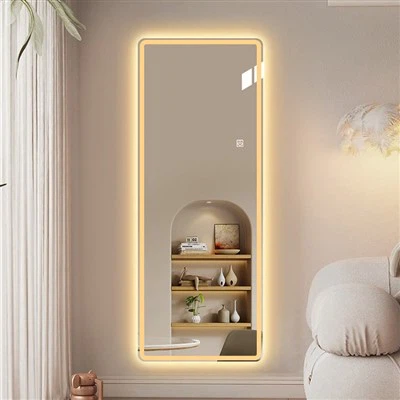
A "green mirror" generally refers to a mirror with a green-tinted reflective appearance. Unlike a conventional silver mirror, it introduces a subtle or distinctive green tone while retaining the reflective function of a mirror. Depending on the product, the color may be associated with the glass itself, the mirror construction, or a particular surface treatment. For decorative interiors, a Green Colour Mirror can add depth, color, and visual interest to feature walls, furniture, retail displays, and hospitality spaces.
For architects, interior designers, contractors, and commercial buyers, it is important to distinguish a green mirror from transparent green glass. Although both can appear green, they serve different purposes: a green mirror is primarily reflective, while green decorative glass may be selected for its transparency, light transmission, or colored appearance. Understanding this difference helps project teams choose the right material for the intended design.
What Is a Green Mirror?
A green mirror is a reflective glass product with a green appearance. Its exact shade and optical characteristics depend on the product specification and manufacturing process. Some designs have a subdued, muted tone, while others create a more noticeable decorative effect.
Green mirrors can be used as functional mirrors or as decorative surfaces. In interior design, their appeal comes from combining reflection with color, allowing them to complement natural materials, neutral finishes, and selected accent colors.

Green Mirror vs. Green Decorative Glass
The main difference is how the material is intended to function. A green mirror is designed to reflect images, while green decorative glass may be transparent, translucent, or otherwise designed for a particular visual effect.
| Feature | Green Colour Mirror | Green Decorative Glass |
|---|---|---|
| Primary function | Reflection | Decorative glazing or visual separation, depending on the product |
| Appearance | Green-tinted reflective surface | Green-colored glass, which may be transparent or translucent |
| Typical applications | Decorative mirror walls, furniture accents, display interiors | Partitions, decorative panels, selected glazing applications |
| Key selection factors | Reflective appearance, mirror construction, dimensions, and installation | Transparency, light transmission, thickness, and intended application |
The terms should not be treated as interchangeable. When specifying either product, buyers should confirm its construction and intended use rather than relying on the color description alone.
Related Post: "The Difference Between A Mirror And Glass"
How Is Green Mirror Glass Used in Interior Design?
Green mirror glass is especially useful when the design calls for both reflection and a colored accent. It can introduce a distinctive finish without requiring every surface in the room to use the same color.
1. Decorative Feature Walls
A green mirror can form part of a feature wall in a living room, hotel lobby, restaurant, or boutique. Designers may use a single panel, a series of rectangular sections, or a geometric arrangement to create different visual effects.
The mirror's position matters. It may reflect daylight, architectural details, greenery, or decorative lighting, helping connect the mirror with its surroundings. However, reflections can also introduce visual clutter, so the wall opposite the mirror should be considered during the design stage.
For multi-panel installations, confirm panel dimensions, joint alignment, edge processing, and mounting arrangements before fabrication.
2. Hotel and Hospitality Interiors
Hotels, lounges, and restaurants often combine mirrors with stone, wood, metal, and layered lighting. A green mirror can introduce color into a reception area, lounge, corridor, or selected decorative wall without relying solely on paint or wall coverings.
The shade should be coordinated with the wider interior palette. Deeper green tones may create a more dramatic effect, while softer tones may work with lighter materials and natural textures. The actual appearance will depend on the specific product and lighting conditions.
In busy commercial spaces, project teams should also consider cleaning access, impact exposure, mounting support, and maintenance requirements.
3. Retail Stores and Showrooms
Retail designers can incorporate green mirrors into display backgrounds, decorative wall panels, and selected furniture details. The colored reflection can support a distinctive brand environment or complement products displayed nearby.
For these applications, the mirror's color should not distract from merchandise or create unwanted reflections. Samples can help designers assess the finish alongside display lighting and adjacent materials.
Before ordering, verify the required panel dimensions, edge treatment, cut-outs, and installation method. These requirements should be included in the approved drawings.
4. Furniture and Cabinetry
Green mirror glass may be incorporated into console tables, cabinet fronts, shelving details, wardrobe accents, and custom furniture components. It can provide a reflective surface while adding a decorative color element.
The suitability of the mirror depends on the furniture design, panel dimensions, edge exposure, support structure, and fixing method. Any required cutting, polishing, beveling, or drilling should be discussed with the fabricator before production.
5. Residential Decorative Accents
In residential interiors, a green mirror can be used above a console, within a living-room feature wall, or as part of a decorative mirror arrangement. It can complement natural wood, stone, neutral textiles, and indoor plants.
A smaller panel may be enough to introduce the desired color. Designers should consider what the mirror will reflect and whether the green tone works with the room's natural and artificial lighting.
Related Post: "Five Types Of Decorative Glass"
What Are the Benefits of Green Colour Mirror?
Green mirrors offer several potential design advantages, although the final result depends on the selected product and how it is used.
A Distinctive Reflective Finish
A green mirror provides more visual character than a conventional neutral mirror. It can serve as an accent in an otherwise restrained interior or contribute to a coordinated color scheme.
Compatibility With Natural Materials
Green tones can work with wood, stone, plants, and neutral finishes. This makes green mirror glass worth considering for interiors that use natural textures or botanical elements as part of the design.
Flexibility in Decorative Layouts
Depending on available specifications and fabrication capabilities, green mirrors may be incorporated into different panel sizes, shapes, and decorative arrangements. The intended layout should be confirmed with the supplier before production.
A Way to Introduce Color Without Paint
A colored mirror can introduce a green accent while retaining a reflective surface. This offers a different design effect from using green paint or a non-reflective decorative panel.
These benefits do not mean every green mirror is suitable for every environment. The product specification, backing, installation system, and relevant safety requirements must be evaluated for the intended application.
How to Choose the Right Green Mirror for a Project
For professional buyers, the selection process should begin with the intended use and required visual effect.
Confirm the Shade and Appearance

Green can range from subtle to saturated, and the appearance of a mirror may change under different lighting conditions. Reflected objects and the surrounding finishes can also influence how the color is perceived. Request a sample when the shade is important to the design. For projects using multiple panels, establish how visual consistency will be reviewed and approved before production.
Check Dimensions and Thickness
Panel dimensions should be determined according to the installation layout, access limitations, handling arrangements, and mounting system. Thickness should be selected based on the specific product and intended application rather than a general assumption. For large installations, discuss transportation, lifting, support, and replacement access early in the planning process.
Review Fabrication Requirements
Depending on the product, fabrication may include cutting, polished edges, bevelled edges, holes, or other agreed processing. Confirm that the supplier can meet these requirements and establish the relevant tolerances before manufacturing. Detailed drawings are particularly useful when green mirror panels are integrated into furniture or installed in a repeated pattern.
Evaluate the Installation Environment
The installation method should be compatible with the mirror construction, substrate, and surrounding conditions. Areas exposed to moisture, frequent cleaning, or potential impact may require additional consideration. Where safety requirements apply, the project team should verify the relevant local regulations and specify an appropriate glass product and installation system.
Related Post: "What Mirrors Are in Style Now?"
What Should Buyers Look for in Green Mirror Suppliers?
When comparing commercial glass suppliers, buyers should evaluate the product specification and the supplier's ability to support the intended application. A product image alone cannot establish the mirror's construction, fabrication options, or suitability for a particular installation.
Important considerations include:
Product information: Confirm the mirror type, dimensions, thickness, and other relevant technical details.
Color approval: Review samples and agree on acceptable appearance before ordering multiple panels.
Fabrication capabilities: Verify the availability of required cutting, edge processing, and other specified work.
Quality control: Establish inspection criteria for dimensions, surface appearance, and packaging.
Packaging and logistics: Confirm that the packaging and handling arrangements suit the panel size and delivery route.
Technical communication: Ensure that drawings, specifications, revisions, and order details can be reviewed before production.
A glass panel supplier should be able to clarify the product specifications and explain which fabrication requirements can be met. For commercial projects, it is also useful to define responsibility for final inspection, packaging, and any further processing needed after delivery. If the project involves several types of decorative glass, confirm that each material is specified correctly. A green mirror should not be substituted with transparent green glass unless the design and technical requirements allow for that change.
Green Colour Mirror Solutions from Luck Glass
Luck Glass supports buyers exploring decorative mirror products for architectural, interior design, and commercial applications. For a Green Colour Mirror project, buyers can discuss the intended use, desired appearance, panel dimensions, thickness, edge processing, and installation requirements before confirming the specification.
For feature walls, retail interiors, hospitality spaces, and furniture applications, reviewing samples and fabrication drawings early can help align the material with the design concept. Where green mirror glass is being combined with other colored or transparent glass products, coordinating the specifications in advance can also help maintain a consistent visual result.
The aim is to select a product that supports the intended appearance while meeting the practical requirements of fabrication, handling, and installation.
Related Post: "The Top 10 Glass Manufacturers in China For 2026: A B2B Buyer's Guide"
Frequently Asked Questions
Does a green mirror mean transparent green glass?
No. A green mirror is designed primarily to reflect images, whereas transparent green glass is designed to transmit light through the material. The two products may look similar in color but serve different purposes.
Where can green mirror glass be used?
It may be suitable for decorative feature walls, hotel interiors, retail displays, furniture details, and residential accents. Suitability depends on the product specification and the requirements of the installation.
Is green mirror suitable for commercial interiors?
It can be considered for appropriate decorative applications in commercial spaces. Buyers should confirm the mirror construction, mounting system, maintenance needs, and any relevant safety requirements before installation.
How can I maintain a green mirror?
Use a soft, lint-free cloth and a cleaning product suitable for the mirror surface. Avoid abrasive materials and prevent cleaning liquid from collecting along the edges or contacting the backing. Follow the manufacturer's care instructions.
What should I confirm before ordering a green mirror?
Confirm the product type, color appearance, dimensions, thickness, fabrication requirements, installation method, packaging, and delivery arrangements. For larger projects, sample approval and agreed inspection criteria are particularly useful.
Final Thoughts
A green mirror is a reflective glass product with a green-tinted appearance, while green decorative glass may be transparent or translucent and intended for different applications. Understanding this distinction helps designers and buyers select the right material for their projects.
Green Colour Mirror can provide a distinctive decorative finish for feature walls, hospitality interiors, retail displays, and custom furniture. Careful specification, sample review, fabrication planning, and installation assessment help ensure that the selected product meets both the visual concept and practical project requirements.
Related Post: "The Top 10 Glass Manufacturers in China For 2026: A B2B Buyer's Guide"