An interlayer in glass is the sheet that sits between two glass panes in a laminated panel and bonds them into one safe, solid unit. In most safety glass that layer is a clear PVB or EVA film; in decorative fabric sandwich glass it is a textile. You can see this clearly in the Luck Glass fabric interlayer panel , where a fine beige mesh is sealed between two clear, slightly gray-tinted glass sheets and used as the back of a chair. This article explains what an interlayer does, the materials used - including fabric between glass and fabric on glass constructions - and why this build has become popular in architecture and interiors.
What An Interlayer Actually Is
The layer that holds the glass together
A laminated panel is not one thick piece of glass but two or more thin sheets joined by an interlayer under heat and pressure. The interlayer is the quiet component that keeps the plies stuck together even when the glass cracks, so the panel stays in one piece instead of falling apart. Without it, you simply have separate panes that would shatter and scatter on impact.
Why it matters for safety
Because the interlayer grips the glass, a laminated panel resists impact better and stays in the frame after breaking. That is why laminated glass panels are common in doors, balustrades, skylights and facades where falling glass would be dangerous. The interlayer also blocks a large part of the sun's UV and slightly softens outside noise - two benefits that have nothing to do with looks but a lot to do with everyday comfort.
choose the right one you need ⇒ Related Post: "Which Is Better, Tempered Glass Or Laminated Glass? Strength, Safety And Application Guide"

Common Interlayer Materials
PVB and EVA film
The workhorse interlayers are PVB (polyvinyl butyral) and EVA (ethylene-vinyl acetate). Both are clear, flexible films that turn two panes into a single strong panel. PVB is the standard for architectural safety glass; EVA is valued for its bond strength and color stability in decorative and outdoor applications.
The fabric interlayer
A laminated glass with fabric interlayer replaces the plain film with a textile - a mesh, weave or patterned cloth captured between the panes. The result is fabric between glass: a panel that reads as solid glass from the front yet reveals a delicate textile inside. People sometimes call the same idea fabric on glass, though the fabric is truly enclosed, not resting on a surface. The casual trade name is fabric sandwich glass, because the textile is literally sandwiched by the two glass sheets.
See if laminated glass is durable ⇒ Related Post: "How Strong Is Laminated Glass?"
Fabric Sandwich Glass: A Closer Look At The Product
Color and customization options
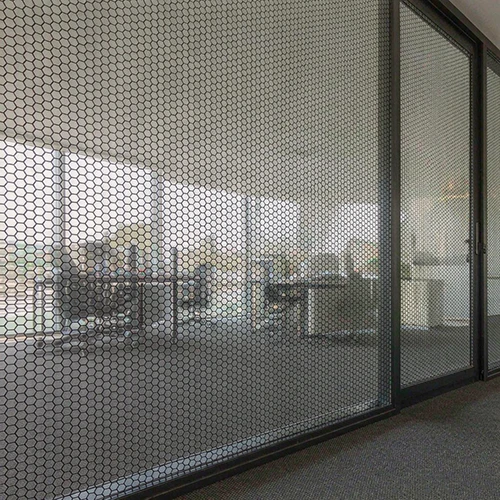
Fabric glass color options span transparent, bronze (amber), green, blue and gray, so the same mesh can look warm, cool or nearly invisible depending on the glass tint. Because the thickness and size of fabric glass can be customized, a custom laminated glass order can match a specific opening rather than a catalogue measurement. That flexibility is a big reason designers reach for it.
Where fabric laminated glass is used
In recent years glass with a fabric interlayer has been widely used in architecture, interior decoration and art design - partition screens, cabinet fronts, lift lobbies, feature walls and furniture like the chair back shown on the product page. It gives privacy and a soft filtered light while staying easy to clean, a combination plain glass or a simple film cannot match.
Laminated Glass Panels And Custom Options
Laminated glass panels in projects
Laminated glass panels are supplied as cut-to-size units, often with the edges polished and the corners made safe for handling. In a commercial fit-out, many identical panels may be needed, so consistency from one sheet to the next matters as much as the appearance. A reliable build keeps the interlayer centered and bubble-free across the whole batch.
Custom laminated glass for the job
With custom laminated glass you choose the glass type, the interlayer, the tint and the dimensions. A bathroom screen, a boardroom partition and a retail display each call for a different build, and a clear specification sheet lists all of them before production starts. Customizing the interlayer is what turns a standard safety panel into a design feature.
a funny name for laminated glass → related post: "What Is Sandwich Glass?"
Working With Laminated Glass Manufacturers And Price
What laminated glass manufacturers provide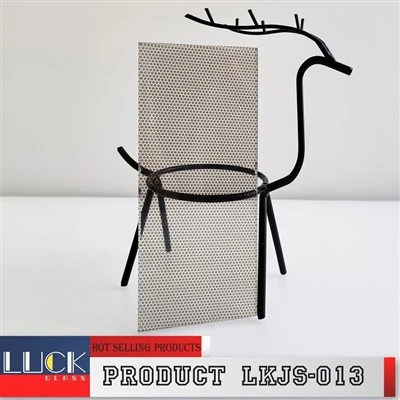
Reputable laminated glass manufacturers do more than cut glass. They advise on interlayer choice, run sample panels, control batch consistency and document the safety build-up. For a decorative fabric panel, they also confirm the textile is rated for the lamination temperature and will not discolor over time, which protects the look of the installation for years.
What affects laminated glass price
Laminated glass price is not a single figure. It moves with glass thickness, panel size, the type of interlayer, the tint, and any custom cutting or safety treatment. A simple clear PVB panel costs far less than a large laminated glass with fabric interlayer in a custom gray tint, yet both are quoted the same way - by specification, not from a fixed price list. No exact numbers are given here because they shift with order volume and market conditions.
How To Choose The Right Interlayer
Safety versus decoration
If the priority is impact resistance and staying in the frame, a PVB or EVA film is the right call. If the priority is a visible, tactile design statement, a textile interlayer wins. Many projects use both ideas in different zones of the same building, pairing plain safety glass with a feature panel of fabric sandwich glass.
Matching the location
Plan the interlayer for where the panel lives. A busy corridor partition wants a durable, easy-clean build; a calm feature wall can carry a more delicate weave. Thickness follows the same logic - heavier traffic calls for a thicker panel, often laminated with an added safety treatment for peace of mind.
Plan thickness for the location ⇒ Related Post: "What Thicknesses of Glass Are Available? A Quick Guide"
Where Interlayer Glass Is Used: Usage Scenarios
An interlayer turns a flat sheet of glass from a simple transparent plane into a functional, safe or decorative surface, so the same idea shows up in very different rooms. The scenario decides whether you need a quiet safety film or a visible textile, and that choice shapes both the budget and the look.
Residential spaces

At home, laminated glass panels appear in shower screens, balcony rails and kitchen splashbacks where a broken pane must not scatter. A custom laminated glass panel with a soft tint can also become a bedroom partition that filters light without blocking the room. In these spaces the interlayer is usually chosen for safety and calm rather than for show.
Commercial and office fit-outs
Offices and reception areas use interlayer glass for meeting-room partitions and feature walls. Because many identical laminated glass panels are needed, batch consistency matters as much as the appearance. A laminated glass with fabric interlayer works well when a brand wants a signature texture that still reads as solid, easy-clean glass.
Hospitality, retail and public buildings
Hotels, shops and museums reach for decorative interlayers to set a mood. Fabric sandwich glass behind a reception desk, or a fabric between glass screen in a restaurant, gives privacy and a soft glow while the laminate keeps the panel safe in busy public areas. These spaces gain the most from the mix of beauty and impact resistance.
Furniture and art pieces
Beyond architecture, interlayer glass becomes the back of a chair, a display case or a sculpture - exactly the kind of piece shown in the Luck Glass fabric interlayer product. Custom laminated glass lets a designer specify the weave, tint and size, turning a technical build-up into a finished object that reads as craft rather than construction.
use laminated glass properly → related post: "When Should Laminated Glass Be Used?"
About Luck Glass
Luck Glass is a glass processing manufacturer focused on the deep-processing of decorative and obscure glass for both residential and commercial projects. Across our ranges we produce acid-etched, frosted, painted, fabric and textured glass, supplied as cut-to-size panels with the finish, color and safety treatment each project needs - tempered, laminated, or a combination of both. Our multiple deep-processing lines support consistent batches across large orders, and we work with distributors, contractors and brands in many countries worldwide. Whether the job calls for a private bathroom partition or a multi-floor commercial fit-out, our team can advise on specification and provide samples matched to your drawings.
Know your manufacturer's credentials ⇒ Related Post: "China's Leading Glass Manufacturers Updated 2026: Trends, Quality, And Global"
Frequently Asked Questions
What is an interlayer in glass made of?
An interlayer in glass is usually a clear PVB or EVA film, or in decorative fabric glass a textile sealed between the panes. It bonds the glass sheets and can add safety, UV blocking and sound softening.
Is fabric between glass the same as fabric on glass?
The terms describe the same product family. Fabric between glass means the textile is enclosed inside the laminate, while fabric on glass is a looser name for it. The proper build is the enclosed fabric sandwich glass version.
What is a laminated glass with fabric interlayer used for?
A laminated glass with fabric interlayer is used for partitions, cabinet fronts, feature walls, furniture and art pieces where a designer wants privacy and filtered light with a visible textile detail.
Does laminated glass price include customization?
Laminated glass price is quoted by specification, so custom laminated glass with a different size, tint or interlayer is priced against that spec rather than a fixed list. Exact figures depend on order details.
Can laminated glass panels be made to size?
Yes. Laminated glass panels are commonly supplied as custom laminated glass, cut to the project's dimensions with polished edges and the chosen interlayer and tint.
How do I choose a laminated glass manufacturer?
Look for laminated glass manufacturers that advise on interlayer choice, provide sample panels, control batch consistency and document the safety build-up, especially for decorative fabric interlayer work.
Discuss your project requirements with our team