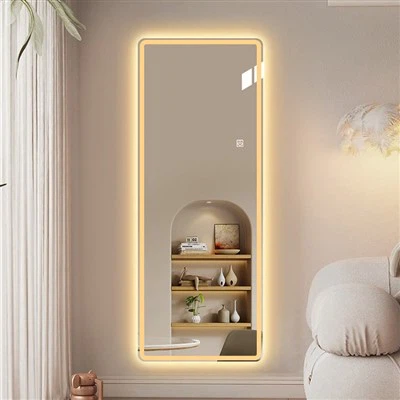
Brown tinted glass can be called brown tinted glass, bronze glass, or brown lacquered glass, depending on how its color is created. However, these terms do not always describe the same product.
When the brown color comes from the glass itself, the material is generally called brown tinted glass or bronze tinted glass. When a brown coating is applied to the back surface of clear glass to create an opaque decorative finish, it is known as Brown Back Painted Glass, also called Brown Lacquered Glass.
Understanding this distinction is important when selecting glass for interior decoration, wall panels, furniture, and partitions. In this guide, we explain the differences, common applications, and key characteristics of brown back painted glass.
1. What Is Brown Tinted Glass?
Brown tinted glass is glass that has a brown or bronze appearance due to coloring materials incorporated  into the glass during manufacturing. Unlike surface-painted glass, its color is distributed throughout the glass body.
Depending on its composition and thickness, brown tinted glass can reduce the amount of visible light passing through it while maintaining varying degrees of transparency.
Common characteristics include:
Consistent Color: The brown tone is integrated into the glass rather than applied as a surface coating.
Light Control: It can reduce visible light transmission and help manage glare, depending on the glass specification.
Decorative Appearance: Brown and bronze tones create a warm, understated look for architectural and interior applications.
Versatile Applications: It is commonly used in windows, doors, facades, furniture, and decorative glass installations.
Brown tinted glass is often selected when designers want to retain some visibility through the glass while introducing a warmer color.
2. What Is Brown Back Painted Glass?
Brown Back Painted Glass is a type of decorative glass made by applying a brown paint or coating to one side of a glass panel. It is also commonly known as Brown Lacquered Glass.
Unlike conventional brown tinted glass, which gets its color from the glass composition, back painted glass obtains its color from a coating on the back surface.
The coating creates a solid, opaque appearance when viewed from the front, while the exposed glass surface maintains a smooth and glossy finish.
How Is Brown Back Painted Glass Made?
The manufacturing process generally involves several steps:
Glass Selection: A suitable clear glass substrate is selected according to the required thickness and application.
Glass Processing: The glass is cut to the required dimensions, and edgework or other necessary processing is completed as specified.
Surface Cleaning: The glass surface is carefully cleaned to remove dust, oil, and other contaminants.
Coating Application: A brown paint or lacquer coating is applied to one side of the glass.
Coating Curing: The coating is cured according to the coating system's requirements to achieve the intended finish and adhesion.
Quality Inspection: The finished panel is inspected for color consistency, coating coverage, and visible surface defects.
The exact manufacturing process can vary depending on the coating system and the required product specifications.
For more information about the manufacturing and appearance of painted decorative glass, see our related article.
Related Post: "What Is Back Painted Glass?"
3. Brown Tinted Glass vs. Brown Back Painted Glass
Although both products have brown appearances, they differ in their manufacturing methods, transparency, and applications.
| Feature | Brown Tinted Glass | Brown Back Painted Glass |
|---|---|---|
| Color source | Color integrated into the glass | Brown coating on the back surface |
| Appearance | Transparent or partially transparent | Generally opaque |
| Light transmission | Depends on the glass specification | Blocks visibility through the coated area |
| Surface finish | Smooth glass surface | Smooth front glass surface with a coated back |
| Common applications | Windows, doors, facades | Wall panels, furniture, decorative partitions |
The most important distinction is transparency. Brown tinted glass allows varying amounts of light to pass through, while Brown Back Painted Glass is designed to provide a solid-colored decorative surface.
If you need a warm brown glass panel that maintains visibility, tinted glass may be more suitable. If you want a uniform brown finish for a wall, cabinet, or decorative surface, Brown Back Painted Glass is generally the better option.
For a broader understanding of decorative glass options, explore our related guide.
Related Post: "Five Types Of Decorative Glass"
4. Common Applications of Brown Back Painted Glass
Brown Back Painted Glass is popular in interior design because its solid color and smooth reflective surface can complement a wide range of materials and styles.
4.1 Kitchen Backsplashes
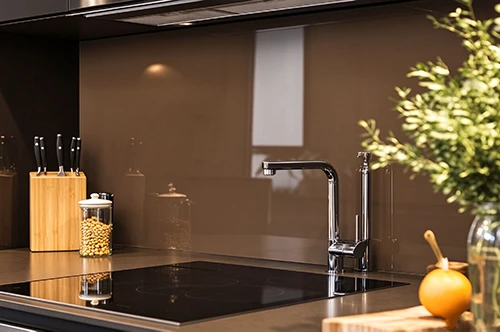
Brown back painted glass can be used as a kitchen backsplash, providing a continuous decorative surface behind countertops. Its smooth front surface is generally easy to wipe clean, making it a practical option for suitable kitchen installations.
4.2 Wall Panels
Brown back painted glass wall panels can add warmth and visual depth to residential and commercial interiors. They are suitable for feature walls, reception areas, and decorative wall sections.
4.3 Glass Partitions
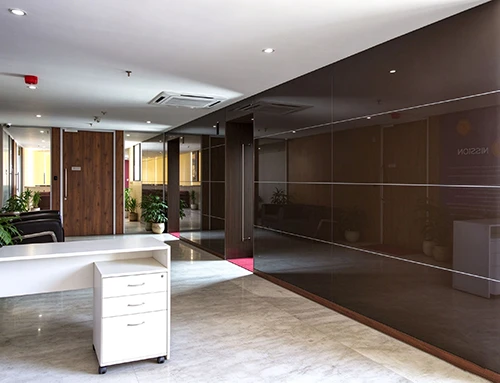
In offices, hotels, and commercial interiors, brown lacquered glass can be incorporated into partition systems to create a more private and visually coordinated environment.
The actual level of privacy depends on the panel design and installation. Since back painted glass is opaque, it does not provide see-through visibility.
4.4 Furniture and Cabinetry
Brown back painted glass can be used for cabinet doors, wardrobe panels, shelving details, and furniture surfaces. Its glossy appearance pairs well with wood, metal, stone, and other interior finishes.
For more ideas about decorative glass in different spaces, take a look at this article.
Related Post: "Applications & Common Areas Of Use: Decorative Glass"
5. Why Choose Brown Back Painted Glass?
Brown Back Painted Glass combines the functional surface of glass with the appearance of a solid decorative color. Several characteristics make it a popular choice for interior projects.
Warm Decorative Tone: Brown shades can create a comfortable and sophisticated atmosphere.
Smooth Glass Surface: The exposed glass face provides a sleek finish suitable for contemporary interiors.
Opaque Appearance: The painted backing conceals the area behind the panel.
Design Flexibility: Brown finishes can coordinate with wood, stone, metal, and neutral color schemes.
Customizable Options: Depending on the manufacturer's capabilities, glass thickness, dimensions, brown shades, and edge treatments can be specified for different projects.
When selecting the product, it is important to confirm the intended application, coating specifications, substrate requirements, and installation method with the manufacturer.
6. What to Consider When Ordering Brown Lacquered Glass
If you are sourcing Brown Back Painted Glass for a residential or commercial project, several technical details should be confirmed before production.
Glass Thickness and Dimensions
Choose the glass thickness and panel dimensions according to the installation requirements. Large wall panels and furniture components may require different specifications.
Brown Color and Finish
Brown glass is available in different visual tones, ranging from lighter warm brown to deeper chocolate shades. Confirm the desired color using a physical sample or an approved color reference before mass production.
Coating Quality
The coating should provide consistent coverage, color appearance, and adhesion. The back-painted surface is generally protected by the installation structure, so the coating side should be handled and installed according to the manufacturer's instructions.
Safety and Processing Requirements
For applications requiring safety glazing, confirm whether the selected glass and coating system are compatible with the necessary safety treatment. Tempering, lamination, edgework, and other processing requirements should be agreed upon before manufacturing.
For projects involving partitions or other architectural installations, working with experienced glass partition manufacturers and reliable commercial glass suppliers can help ensure that the glass specifications match the project requirements.
7. Frequently Asked Questions
Is Brown Lacquered Glass the Same as Brown Back Painted Glass?
Yes. In common decorative glass terminology, Brown Lacquered Glass and Brown Back Painted Glass generally refer to the same type of product. Both describe glass with a brown coating applied to its back surface.
Is Brown Tinted Glass the Same as Brown Lacquered Glass?
No. Brown tinted glass gets its color from the glass composition, while brown lacquered glass gets its color from a coating applied to the back of the glass. Tinted glass is generally transparent or partially transparent, whereas lacquered glass is typically opaque.
Can Brown Back Painted Glass Be Customized?
Yes. Depending on the manufacturer's production capabilities, customers can request different brown shades, glass thicknesses, dimensions, and edge treatments. Confirm the available options with the supplier before ordering.
Where Can I Find Brown Back Painted Glass Suppliers?
You can contact specialized decorative glass manufacturers and back painted glass suppliers for product samples, technical specifications, and customization options. For projects involving large wall installations, it is also useful to work with suppliers experienced in producing back painted glass wall panels.
Conclusion
Brown tinted glass and Brown Back Painted Glass both offer attractive brown finishes, but they serve different design purposes. Brown tinted glass is colored throughout the glass body and generally retains some transparency, while Brown Back Painted Glass uses a brown coating on the back to create a solid, opaque appearance.
If your project requires a smooth, uniform brown decorative surface for wall panels, furniture, backsplashes, or interior partitions, Brown Back Painted Glass is a versatile option.
Luck Glass provides decorative glass solutions for different architectural and interior design applications. Contact our team to learn more about our Brown Back Painted Glass and discuss your project requirements.