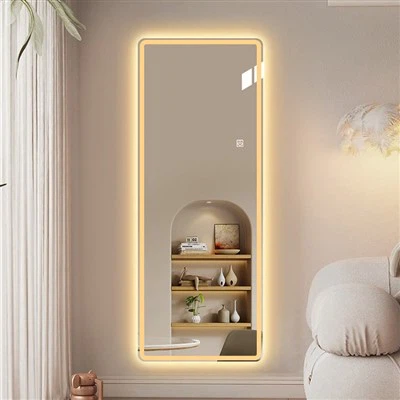
Lacquered glass and back painted glass are generally considered the same type of decorative glass in the glass industry. Both refer to glass panels with a colored coating applied to the back surface, creating a solid, opaque appearance while maintaining a smooth glass finish on the front.
The difference between these two terms is mainly in how the product is described. "Lacquered glass" emphasizes the coating material or finish, while "back painted glass" describes the process of applying paint to the rear surface of the glass. In most architectural and interior design applications, they refer to the same product rather than two fundamentally different types of glass.
Although the names are often used interchangeably, coating formulations, application methods, and curing processes may vary between manufacturers. These factors can influence the final appearance, adhesion, durability, and suitability for different environments.
In this article, we will explain what lacquered glass and back painted glass are, how they are manufactured, and where they are commonly used. We will also introduce Grey Back Painted Glass and its applications in modern residential and commercial interiors.
What Is Lacquered Glass (Back Painted Glass)?
Lacquered glass, also known as back painted glass, is a decorative glass product featuring  a colored coating applied to one side of the glass, usually the back surface. The coating creates a solid, opaque appearance while the opposite side retains the smooth, glossy finish of the glass itself.
The manufacturing process generally involves cleaning and preparing the glass surface, applying a selected paint or lacquer coating to the back, and allowing it to cure under controlled conditions. The finished product combines the reflective appearance of glass with a consistent colored finish, making it suitable for a wide range of decorative and architectural applications.
Lacquered glass is available in various colors, including white, black, grey, beige, and customized shades. Grey Back Painted Glass, for example, offers a neutral and contemporary appearance that works well with wood, metal, stone, and other interior materials.
Common Characteristics of Lacquered Glass
Opaque Appearance: The colored backing prevents clear visibility through the glass.
Smooth Surface: The exposed glass face provides a sleek, glossy finish.
Color Variety: Available in different colors to complement various interior design styles.
Decorative Versatility: Suitable for kitchen backsplashes, wall panels, cabinet doors, furniture, and commercial interiors.
Easy Maintenance: The smooth glass surface is generally easy to wipe and clean when maintained according to the manufacturer's instructions.
Customizable Specifications: Available in different dimensions, thicknesses, and compatible processing options depending on manufacturing capabilities.
Although lacquered glass and back painted glass are commonly used interchangeably, coating formulations and manufacturing processes may vary between suppliers. Buyers should confirm the coating specifications, color consistency, and suitability for the intended application before placing an order.
Related Post: "What Is Back Painted Glass?"
How Is Back Painted Glass Manufactured?
Back painted glass is generally produced by applying a colored coating to one side of a glass panel. The process requires careful surface preparation and coating control to achieve a consistent finish.
The typical manufacturing stages include:
1. Glass Cutting and Preparation
The glass is cut to the required dimensions according to the project specifications. Its surface is then cleaned to remove dust, oil, fingerprints, and other contaminants that could affect coating adhesion.
2. Paint Application
A suitable paint or coating is applied to the rear surface of the glass. The application method depends on the coating system and production requirements.
Uniform application is important because uneven coating thickness or contamination can affect the final color appearance.
3. Curing and Drying
After application, the coating undergoes the required curing or drying process. The specific conditions depend on the paint formulation and manufacturer.
Proper curing helps the coating develop the required adhesion and finish.
4. Quality Inspection
The finished glass is inspected for color consistency, coating coverage, surface defects, and other specified quality requirements.
For projects involving multiple panels, maintaining consistent color appearance is particularly important.
5. Additional Processing
Depending on the product and manufacturing sequence, additional processing may be available, such as edge polishing, cutting, or other fabrication work.
If tempered or laminated back painted glass is required, the coating system and processing sequence must be confirmed with the manufacturer. Not all paints are compatible with every glass-processing method.
What Are the Common Applications of Back Painted Glass?
Back painted glass is widely used in modern residential and commercial interiors because it combines a smooth glass surface with a solid decorative color.
1. Kitchen Backsplashes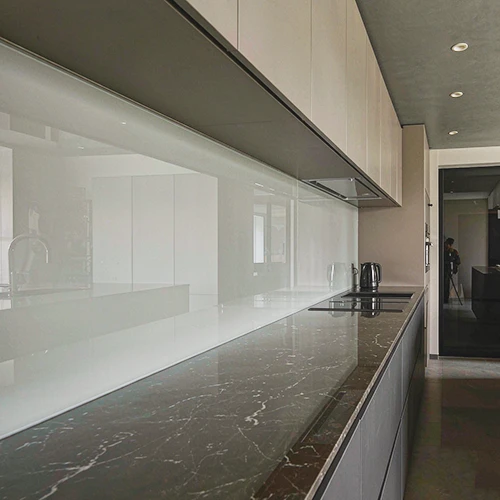
Back painted glass is commonly used as a kitchen backsplash behind countertops and cooking areas. Its smooth front surface creates a clean appearance and is convenient to wipe down.
A paint glass backsplash can also be coordinated with kitchen cabinets, countertops, and other finishes to create a consistent interior design.
For installations near cooking equipment, confirm that the selected glass construction and coating system are suitable for the expected temperature and installation conditions.
2. Wall Panels and Wall Cladding
A back painted glass wall provides a smooth, continuous decorative surface that can introduce color and reflect light within an interior space.
Back painted glass wall panels are often used in living rooms, hallways, offices, hotel interiors, and reception areas. Large panels can create a clean visual effect with fewer visible joints, depending on the installation design.
3. Cabinet Doors and Furniture
Back painted glass can be incorporated into kitchen cabinets, wardrobes, display cabinets, and custom furniture.
The colored backing creates a consistent appearance while the exposed glass surface adds a refined finish. Grey, white, and black are particularly versatile choices for contemporary furniture designs.
4. Bathroom Interiors
Back painted glass may be used for selected bathroom wall panels, vanity backsplashes, and decorative surfaces.
However, the coating system and installation method should be suitable for the moisture conditions. It should not automatically be considered interchangeable with glass specifically manufactured for shower enclosures.
5. Commercial Interiors
Hotels, restaurants, offices, retail stores, and reception areas use back painted glass for decorative wall surfaces, counters, furniture, and feature installations.
Its wide range of color options makes it suitable for projects that require coordination with corporate branding or a specific interior design palette.
Related Post: "How Is Back Painted Glass Made?"
Why Choose Grey Back Painted Glass?
Grey Back Painted Glass is a versatile decorative material that combines a neutral color with the smooth appearance of glass. Compared with brighter or more saturated colors, grey offers a balanced aesthetic that can complement a wide range of interior materials.
1. A Modern and Neutral Appearance
Grey works well with contemporary, minimalist, industrial, and modern luxury interiors. It can create a subtle background without competing with other decorative elements.
2. Easy to Coordinate with Other Materials
Grey back painted glass can be combined with natural wood, stainless steel, aluminum, marble, concrete, and other finishes.
This flexibility makes it suitable for kitchen backsplashes, wall panels, furniture, and commercial interiors.
3. A Clean and Smooth Surface
The exposed glass surface provides a sleek appearance that can help create a visually uncluttered interior. It is also convenient for routine surface cleaning when maintained according to the manufacturer's instructions.
4. Suitable for Different Design Styles
Depending on the selected grey shade, the glass can create different visual effects.
Light grey: Creates a softer and brighter appearance.
Medium grey: Provides a balanced neutral tone for contemporary interiors.
Dark grey: Adds depth and contrast, especially when combined with light-colored materials.
The final appearance can vary depending on the glass substrate, coating, lighting, and surrounding materials. Reviewing a physical sample is recommended before confirming a large order.
Related Post: "The Future Of Decorative Glass"
What Should Be Considered When Specifying Back Painted Glass?
Before ordering back painted glass for a residential or commercial project, several technical and design  factors should be confirmed.
Glass thickness: Select a suitable thickness according to panel dimensions, installation conditions, and structural requirements.
Color consistency: Confirm the required color using an approved sample or reference specification, particularly when multiple panels are needed.
Coating performance: Check the coating material, adhesion, curing process, and suitability for the intended environment.
Edge treatment: Specify whether the panels require polished edges, cut-outs, drilled holes, or other fabrication.
Installation method: Consider the substrate, adhesive compatibility, mounting system, and whether the painted side will be protected after installation.
Safety requirements: Determine whether tempered or laminated construction is required for the specific application and applicable building regulations.
For larger projects, confirming these details before production can help reduce specification differences and installation issues.
Grey Back Painted Glass from Luck Glass
Luck Glass offers decorative glass solutions for residential, commercial, and architectural applications. Grey Back Painted Glass is a versatile option for projects requiring a consistent colored finish and a smooth glass surface.
Whether used for kitchen backsplashes, back painted glass wall panels, cabinet fronts, or commercial decorative features, the product can be discussed according to project dimensions, color preferences, and glass specifications.
As a glass supply company and glass panel supplier, Luck Glass can discuss available product options and processing requirements based on individual project needs.
For buyers working with back painted glass suppliers or sourcing from chinese glass manufacturers, providing clear drawings, color references, dimensions, and installation details helps establish the required product specifications.
Contact Luck Glass to discuss Grey Back Painted Glass for your next architectural or interior design project.
Related Post: "Top 10 Glass Manufacturers in China 2026: A Comprehensive Guide For Businesses"
Frequently Asked Questions
1. Is lacquered glass the same as back painted glass?
In many cases, yes. Both terms commonly describe glass with a colored coating applied to its rear surface. The difference is mainly in terminology: lacquered glass emphasizes the coating type, while back painted glass describes the coating's location and application.
2. Is back painted glass waterproof?
The glass surface itself is non-porous, but the performance of the complete product depends on the coating, edges, backing, and installation. The suitability of the coating system for wet environments should be confirmed with the manufacturer.
3. Can back painted glass be used as a kitchen backsplash?
Yes. Back painted glass is commonly used for kitchen backsplashes because of its smooth, easy-to-clean front surface. However, temperature exposure and installation requirements should be considered, especially around cooking equipment.
4. Can back painted glass be customized in different colors?
Yes. Depending on the manufacturer's coating system and available color range, back painted glass can be supplied in different shades. Custom color requirements should be confirmed using samples or agreed color references.
5. Is grey back painted glass suitable for commercial projects?
Yes. Grey back painted glass can be used for reception areas, office wall panels, retail interiors, hotel decorations, and furniture applications. The glass construction and coating specifications should be selected according to the installation environment.
Final Thoughts
Lacquered glass and back painted glass are closely related products, and in many cases, the terms describe the same type of decorative glass. The main distinction lies in whether the terminology emphasizes the coating material or the process of applying paint to the rear surface.
For architects, designers, and project buyers, understanding the coating system, color consistency, glass construction, and intended application is more important than the product name alone.
With its neutral appearance and versatile design possibilities, Grey Back Painted Glass is a practical decorative option for modern residential and commercial interiors.