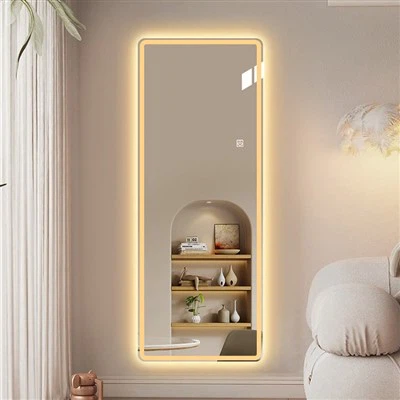
Laminated glass is used in residential, commercial, and architectural projects where safety, durability, sound control, or decorative design is important. It is made by bonding two or more glass sheets together with an interlayer, which helps hold glass fragments in place if the glass breaks. Depending on the glass type and interlayer, laminated glass can be used in windows, doors, partitions, railings, skylights, and many other applications.
Beyond conventional clear laminated glass, decorative versions offer even more design possibilities. Fabric laminated glass, also known as laminated fabric glass or fabric sandwich glass, incorporates a textile layer between glass sheets. This creates a distinctive material that combines the smooth appearance of glass with the texture, color, and patterns of fabric. It is particularly suitable for interior spaces that need both visual interest and a degree of privacy.
At Luck Glass, our Laminated Fabric Glass is designed for decorative architectural and interior applications. The fabric interlayer creates a textured appearance and can be incorporated into different glass designs to complement residential and commercial environments.
What Are the Main Uses of Laminated Glass?
1. Windows and Doors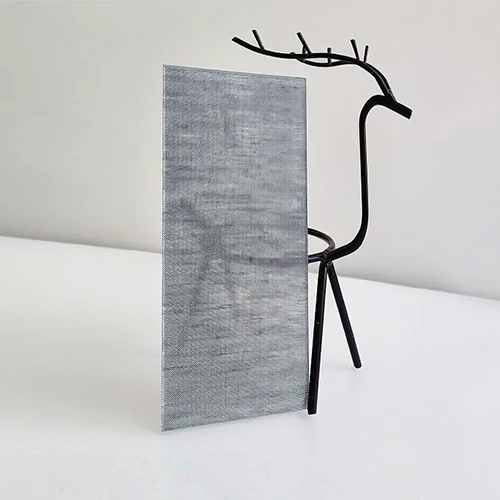
Laminated glass is widely used in building windows and doors because its interlayer helps retain broken glass fragments. It can be specified for residential entrances, commercial buildings, office glazing, and other locations where the glass construction must meet particular safety or security requirements. The appropriate glass type and interlayer should always be selected according to the installation position and applicable building regulations.
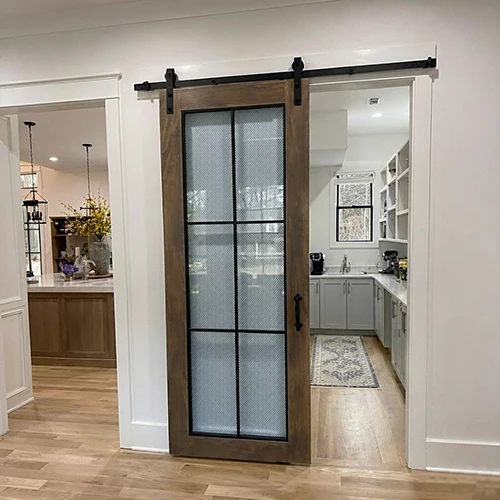
For decorative projects, glass with fabric interlayer offers another design option. The textile layer introduces patterns and colors into doors and glazed panels, making it possible to create a more distinctive appearance than ordinary clear glass. Depending on the fabric density, it can also provide a degree of visual screening while allowing light to pass through.
2. Interior Partitions and Room Dividers
Laminated glass is commonly used in office partitions, conference rooms, hotel interiors, and residential room dividers. It helps separate different functional areas while maintaining a sense of openness. Decorative laminated glass takes this concept further by introducing colors, patterns, and textures into the partition itself.
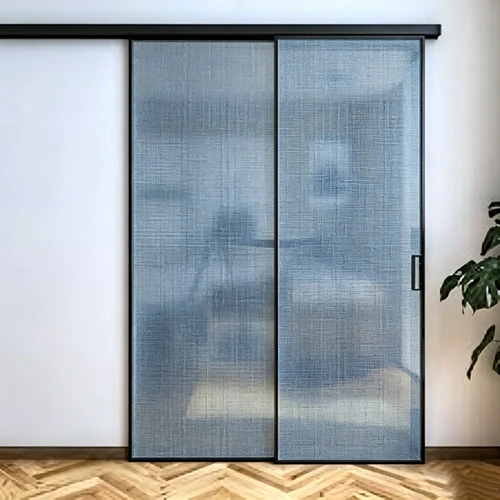
Fabric laminated glass is especially suitable for interior partitions where designers want to balance light transmission and privacy. The textile layer can soften the view through the glass, creating a more comfortable visual environment without making the space feel completely enclosed. It can also complement modern office interiors, reception areas, and meeting rooms.
For more ideas about decorative glass applications in different spaces, explore our related article.
Related Post: "Applications & Common Areas Of Use: Decorative Glass"
3. Shower Doors and Bathroom Partitions
Laminated glass can be considered for bathroom doors, shower enclosures, and other glazed bathroom features when the complete glass construction is suitable for wet-area use. Its fragment-retention characteristics can be beneficial in applications where safety is important. However, not every laminated glass product is automatically suitable for shower doors. Glass composition, edge protection, interlayer compatibility, hardware, and relevant safety requirements must be checked before installation.
Fabric laminated glass can also create a decorative effect in bathroom interiors. Depending on the textile pattern and density, it may provide visual separation while maintaining a softer, more elegant appearance. For wet environments, buyers should confirm that the selected fabric and interlayer system are appropriate for the expected moisture exposure.
4. Decorative Furniture and Cabinet Panels
Laminated glass is used in furniture components such as cabinet doors, display units, shelves, and selected tabletop designs. It combines a smooth glass surface with design flexibility, making it suitable for contemporary residential and commercial furniture.
Textile glass adds another layer of visual character to furniture design. A woven fabric or decorative textile embedded inside the glass can create a subtle textured appearance, making cabinet doors and display panels more distinctive. Fabric sandwich glass can be particularly effective in display cabinets, hotel furniture, and customized interior installations where the glass is part of the overall design language.
5. Lighting and Decorative Fixtures
Decorative laminated glass can be incorporated into selected lighting designs, lamp panels, and interior decorative fixtures. The embedded textile layer can influence the way light passes through the panel, creating a softer and more textured visual effect. Different fabric colors and patterns can produce different appearances when combined with suitable lighting.
For these applications, the glass configuration and heat conditions should be evaluated carefully. The suitability of a particular fabric and interlayer depends on the lighting design, operating environment, and manufacturing requirements.
6. Commercial Buildings and Public Spaces
Commercial environments often require materials that combine practical functions with a consistent interior design. Laminated glass is used in office buildings, conference rooms, hotels, hospitals, retail spaces, and other public interiors. Depending on the specification, it can be incorporated into partitions, doors, wall panels, display areas, and other architectural features.
Decorative laminated glass gives designers more flexibility when creating branded or themed interiors. Fabric interlayers can introduce coordinated colors and patterns into reception areas, meeting rooms, and hospitality spaces. For projects requiring decorative privacy glass, the textile density and glass configuration should be selected according to the desired balance between visibility and light transmission.
Why Choose Fabric Laminated Glass for Interior Decoration?
Fabric laminated glass combines the visual qualities of textile materials with the smooth exterior surfaces of glass. Unlike fabric attached to the outside of a panel, the textile layer is enclosed within the glass construction. This protects the decorative material from direct contact during normal use and creates a distinctive finished appearance.
One of its main advantages is design flexibility. Different textile colors, textures, and patterns can be considered to match furniture, wall finishes, lighting, and architectural styles. Depending on the selected fabric, the finished panel can appear relatively transparent or provide more visual screening. This makes fabric laminated glass suitable for projects that require a balance between decoration, light, and privacy.
It also provides an alternative to conventional decorative glass finishes. Rather than relying only on frosting, printing, or surface coatings, designers can use an embedded textile layer to create depth and texture within the glass itself. This makes it a useful material for modern interiors, customized furniture, and distinctive commercial spaces.
For additional inspiration, see our guide to different types of decorative glass.
Related Post: "Five Types Of Decorative Glass"
What Is the Difference Between Regular Laminated Glass and Fabric Laminated Glass?
Regular laminated glass generally consists of two or more glass sheets bonded with one or more interlayers. Depending on the materials and configuration, it can be designed for safety, security, sound control, or other project requirements. Its appearance is often clear or slightly colored, although decorative films and other interlayer materials can also be used.
Fabric laminated glass adds a textile material within the laminated structure. This creates a visible woven or patterned effect that is not normally found in standard clear laminated glass. While both products use a laminated construction, their design purposes can be different: regular laminated glass is often selected for functional glazing requirements, whereas fabric laminated glass is frequently chosen for decorative interior applications.
The two should not be treated as interchangeable in every project. The safety performance of fabric laminated glass depends on the glass plies, interlayer system, manufacturing process, and applicable testing. A decorative fabric layer alone does not guarantee a particular safety classification.
For a closer look at decorative glass textures and design options, read our related guide.
Related Post: "What Are Some Different Types Of Glass Patterns? "
Product Spotlight: Luck Glass Laminated Fabric Glass
Luck Glass Laminated Fabric Glass is designed for projects that want to combine textile-inspired decoration with glass. According to the product information, the design can be customized, with listed glass thickness options including 3 mm, 4 mm, 5 mm, 5.5 mm, 6 mm, 8 mm, 10 mm, and 12 mm. The listed size options include 2440 × 1830 mm, 1650 × 2200 mm, and 1900 × 3000 mm. Available color descriptions include transparent, bronze (amber), green, blue, and gray. Actual availability should be confirmed according to the selected design and production requirements.
This product can be considered for decorative shower doors, furniture, lamps, translucent doors, window features, guardrails, conference rooms, hospitals, and other architectural or interior applications. The appropriate construction will depend on the intended use, particularly where safety, moisture resistance, or structural performance is involved.
What Should Buyers Consider When Selecting a Laminated Glass Factory?
Choosing the right laminated glass factory is important because the quality of the finished panel depends on the glass materials, interlayer compatibility, textile selection, and lamination process. For fabric laminated glass, buyers should pay particular attention to the fabric's color consistency, weave, thickness, and compatibility with the selected interlayer. These factors can influence the finished panel's appearance, transparency, and overall quality.
Before confirming an order, it is advisable to request product samples and discuss the intended application with the manufacturer. Confirm the glass thickness, panel dimensions, fabric pattern, color, edge treatment, and any relevant safety requirements. For larger projects, approving a reference sample and written specifications can help maintain consistency across production batches.
An experienced manufacturer should also be able to explain the available material combinations and the limitations of different designs. This is especially important for customized textile glass used in doors, partitions, bathroom environments, and other applications with specific performance requirements.
Related Post: "What Is Fabric Laminated Glass? Complete Guide"
Frequently Asked Questions
Is laminated glass suitable for interior use?
Yes. Laminated glass is commonly used in interior doors, partitions, furniture, decorative panels, and other architectural features. The exact specification should match the intended application and relevant safety requirements.
What is fabric laminated glass used for?
Fabric laminated glass is mainly used for decorative interior applications, including room dividers, partitions, doors, furniture, wall panels, and selected lighting designs. It combines the texture and appearance of fabric with the smooth surface of glass.
Does fabric laminated glass provide privacy?
It can provide a degree of visual privacy depending on the fabric's color, weave, and density. More open fabrics may allow clearer visibility, while denser textiles can obscure objects behind the glass. A physical sample is recommended to evaluate the actual effect.
Can laminated fabric glass be customized?
Yes. Depending on the manufacturer's capabilities and material compatibility, fabric laminated glass can be customized in terms of textile pattern, color, glass thickness, and panel dimensions. Confirm the available options with the manufacturer before ordering.
Is fabric laminated glass suitable for shower doors?
It may be suitable for certain bathroom designs, but the complete glass construction must be evaluated for wet-area conditions and applicable safety requirements. Buyers should confirm the interlayer's moisture suitability, edge protection, glass type, and installation details before selecting it.
Products Description
Laminated glass is used in a wide range of residential, commercial, and architectural applications, from windows and doors to partitions, furniture, and decorative panels. Fabric laminated glass expands these possibilities by incorporating textile patterns and textures into the glass structure, making it especially useful for interior designs that need both visual character and practical functionality.
If you are looking for customized fabric laminated glass for your next project, Luck Glass can help you explore suitable glass configurations, fabric designs, and application options. Contact our team to discuss your project requirements and find a decorative glass solution that matches your design.