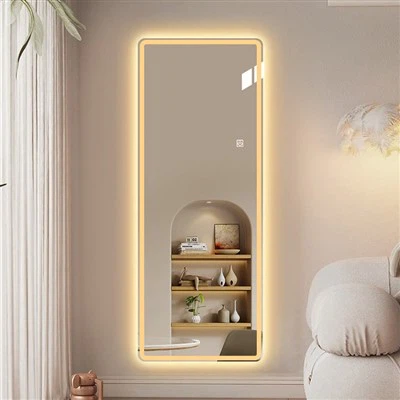
Decorative glass is a beautiful and versatile material. Decorative glass contains more types of glass. It is widely used in architecture and furniture design. Different types of decorative glass not only provide privacy protection, but also add visual effects and beauty.
Five types of decorative glass:
Acid-etched glass
Definition and characteristics
Acid-etched glass is a kind of material that forms a tiny texture and opaque effect on the surface of the glass through chemical treatment technology. Acid-etched glass has a translucent effect in appearance. Can gently filter the light, both to protect privacy without completely isolating the light.

Production technology
In the previous article, we also introduced the production process of acid-etched glass. The process of making acid-etched glass usually involves soaking the glass in an acidic solution. Common acids include fluoric acid or hydrofluoric acid. A chemical reaction creates tiny etchings on the surface of the glass. These etchings are connected to create a fine texture. The effect display of acid-etched glass is related to etching time and acid concentration.
Application scenario
Acid-etched glass is widely used in commercial, building Windows, bathroom partitions and other places. Because it has a certain privacy protection effect, it is very good in areas such as showers and office partitions. In addition, acid-etched glass is often used in art installations and decorative walls. It can play a role in increasing the sense of spatial hierarchy and aesthetics.
Advantages and disadvantages
The main advantages of acid-etched glass include good privacy protection and beautiful appearance. But the surface of acid-etched glass has a certain texture. Therefore, its surface is easy to accumulate some dirt and water stains, and it is relatively time-consuming to clean. And consider a certain cost budget.
Related Post: "Aesthetic Role Of Acid-etched Glass in Interior Design"
Frosted glass
Definition and characteristics
Frosted glass is a kind of glass that has been treated by physical or chemical methods to make its surface rough and opaque. The texture of frosted glass will feel rough, so the privacy effect is very good. As decorative glass, it can soften the light and make the room look more comfortable.

Production technology
The production process of frosted glass usually includes sandblasting, acid etching or mechanical frosting. Sandblasting is to spray fine sand particles at high speed to form a frosting effect on the glass surface. Acid scrub and acid etched glass are made in a similar way, and the acid is also treated on the surface of the glass. Mechanical scrubbing is the grinding of the glass surface by means of abrasive tools.
Application scenario
Frosted glass is used in Windows, partitions, shower rooms and furniture. The characteristics of frosted glass determine its use. It can effectively isolate the line of sight and is often used in offices or home bathrooms. Further down, in fact, the types of frosted glass are also carefully divided. Various types of glass can add privacy and beauty to a space.
Advantages and disadvantages
The biggest advantage of frosted glass is its privacy protection. Its special texture and appearance are also unique decorative. Compared with acid-etched glass, its surface is easier to clean. However, under strong light irradiation, the frosting effect may reduce the transmittance and affect the propagation of light.
Related Post: "Are Frosted Glass Shower Doors Trendy"
Stained glass
Definition and characteristics
Stained glass is a decorative material that creates an artistic effect by applying colors or patterns to the surface of glass. Stained glass has a variety of colors and strong functionality. Not only is it decorative, it also transmits light and creates a unique atmosphere.

Production technology
The process of making stained glass takes many forms. Common methods include spray painting, hand painting and pasting. The hand-painted stained glass is made with a special heat-resistant paint and is then baked at high temperatures. At high temperatures, the paint and glass fuse more firmly.
Application scenario
The more famous application of stained glass is stained glass windows, because stained glass has a strong religious color. So it used to decorate the wall has a very good fantasy decorative effect. It can be used in art installations and decorative Windows in some places to attract people's attention.
Advantages and disadvantages
The main advantage of stained glass is its artistic characteristics and uniqueness. It can add a personal touch to a space. However, due to the complexity of its production process, the cost is relatively high. Generally, the use area of ordinary residential areas is small, and it is mostly used in churches and art display places. And when cleaning should also be carefully maintained to avoid damage to the pattern.
Related Post: "Design Trends Of Stained Glass Windows"
Fabric glass
Definition and characteristics
Fabric glass is a decorative material that combines fabric and glass. The fabric is sandwiched between the glass to create a unique presentation. Increased visual depth and richness.

Production technology
The process of making fabric glass usually involves embedding fabric into the glass, or coating a thin layer of fabric on the surface of the glass. In the former way, the glass surface is smooth, while in the latter form, the surface has a unique texture. This process can take the form of hot pressing or cold pressing, so that the fabric and the glass are firmly bonded. In our products, the fabric is sandwiched in glass, and the color, pattern, and fabric type can be customized.
Application scenario
Fabric glass is mainly used in wall decoration or furniture design. Its unique form of appearance is popular in commercial Spaces. It can create a fashionable and noble atmosphere.
Advantages and disadvantages
The advantage of fabric glass is its unique beauty. The wide variety of fabric choices gives the glass a different style. Adds warmth and comfort to the space. However, if the fabric is used on a glass surface, it will increase the difficulty of cleaning. Dust and dirt are easily absorbed on fabric surfaces.
Related Post: "Advantages And Disadvantages Of Fabric Glass"
Textured glass
Definition and characteristics
Textured glass refers to the decorative glass that forms various patterns and textures in the glass. This is usually achieved by pressing, molding, or other physical means. The surface patterns are customizable. It is not only beautiful, but also effectively scatters light and has a unique decorative character.

Production technology
The process of making textured glass involves pressing it into a mold in a hot glass state to create the desired texture and pattern. This method allows the glass to maintain its strength and stability, and also obtains a unique visual effect.
Application scenario
Textured glass is widely used in Windows, partitions, doors and furniture. Thanks to its unique light scattering effect, textured glass creates a comfortable, warm atmosphere for the space.
Advantages and disadvantages
The advantage of textured glass is its rich visual display effect and privacy protection performance. Suitable for a variety of design styles. Because its surface pattern can be customized, it is widely used. The disadvantage of textured glass is that its surface is not smooth and it is possible to accumulate some dust. You also need to wipe carefully when cleaning.
Related Post: "What Is Textured Glass"
Conclusion
Decorative glass plays an important role in modern design, and various types of glass have their own advantages and disadvantages and application environment. This article also introduces only five kinds of decorative glass. In fact, for the large range of architectural decoration, there are many, many kinds of decorative glass. If you are interested, you can also browse other types of glass. If you have any questions, please contact us.