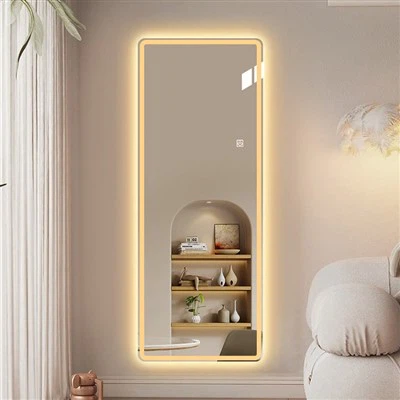
Reflective glass is widely used in our lives. It is an indispensable material in the fields of architecture, technology, decoration and so on. Its different types have unique optical properties, which can reflect, transmit or absorb light according to demand. The function of reflective glass will reflect different effects according to the different effects of the treatment of light. This article will introduce the three types of reflective glass: dichroic glass, anti-reflective glass and one-way glass. Each glass has its own unique structure, characteristics and applications.
Three types of reflective glass:
Dichroic glass
The definition principle of dichroic glass
Dichroic glass is a kind of glass material with unique optical properties. It is characterized by the ability to display different colors at different angles and light conditions. This effect is mainly achieved by depositing multiple layers of optical films on the glass surface. The thin film layer is generally composed of metal oxides such as titanium oxide and silicon oxide. These materials can change the reflection and transmission Angle of the incident light through the interference of light, which is also the reason why dichroic glasses show different colors.

Dichroic glass manufacturing process
The key to making dichroic glass is that the glass surface is coated with multiple optical films. The change process is as follows:
· Clean the glass surface: First of all, clean the glass surface. This is to remove dust and dirt from the surface of the glass. Ensure uniform adhesion of subsequent film layers.
· Film deposition: dichroic glass manufacturers mostly deposit multi-layer film materials on the glass surface through vacuum coating technology. This step should pay attention to the manufacturing environment to ensure that the film is accurately attached to the glass.
·Multilayer coating: The application of multiple thin film layers of different materials on the glass surface to form a complex optical system. These films have different refractive indices and are the key to the function of dichroic glass.
· Surface treatment: Finally, additional surface treatment should be applied to the glass. Such as anti-fouling and anti-scratch coatings. This step is to increase the durability and ease of cleaning of dichroic glass.
Application of dichroic glass
Dichroic glass has been widely used in many fields because of its unique optical properties and aesthetic effects.
Architectural decoration: dichroic glass is often used in the exterior wall decoration of buildings. This glass not only adds a unique visual effect to the building, but also takes on different colors depending on the Angle of sunlight. So dichroic glass is very decorative.
Artistic creation: dichroic glass shows outstanding artistry because of its variety of colors. It can be used in sculpture and decorative works of art, showing a unique artistic expression.
Optical instruments: dichroic glass can also be used in some instruments that require precision optical control. Like microscopes used in LABS. The application of dichroic glass makes the experimental data more accurate and ensures the accuracy of the experiment.
Fashion design: In jewelry design, fashion accessories and other fields, dichroic glass is also popular because of its dazzling effect. It is often used to decorate necklaces, bracelets and other accessories, adding a modern sense and fashion.
Anti-reflection glass
The definition principle of anti-reflective glass
Anti-reflection glass, AR glass for short. It is a specific anti-reflective coating on the surface of the glass, which can reduce the reflectivity of the glass. The main function of anti-reflection glass is to reduce the glare caused by light reflection, so that the transmittance is greatly improved.

The existence of reflective film on the glass surface can reduce the scattering of light on the glass surface. Anti-reflective coatings can do this through the principle of optical interference. The thickness and refractive index of the anti-reflection film are precisely designed so that the interference cancels out the reflection of part of the incident light wave, reducing its reflectivity to a minimum. Usually the reflectivity can reach about 0.5%-1%. Ordinary glass is only 10%. So the existence of anti-reflective glass can make the picture more clear.
Manufacturing process of anti-reflective glass
The process of making anti-reflective glass consists of the following steps:
· Glass surface cleaning: In order to ensure the adhesion and uniformity of the coating, it is first necessary to thoroughly clean and dry the glass surface. Remove dust and dirt from its surface.
· Sputtering or evaporation coating: The anti-reflection coating of anti-reflective glass generally uses vacuum sputtering, vacuum evaporation or electron beam coating and other processes to cover one or more layers of transparent film on the glass surface. Commonly used coating materials include silica, alumina or titanium oxide. The material and film thickness can be selected, and by changing these properties, the transmittance and reflectivity can also be changed.
·Multilayer structure: In some high-end anti-reflection glasses, a multilayer structure may be used to further reduce reflection. After the multi-layer structure filters the light, it can reduce a lot of reflections, and improve the transmission effect.
· Surface treatment: After the coating is completed, the glass surface can also be treated with anti-scratch and anti-fingerprint. This is to enhance the durability of anti-reflective glass and ease of daily use.
Application of anti-reflective glass
Photo frames and display cases: anti-reflective glass has important applications in photo frames, museum display cases and other fields. It can reduce the reflection of the glass surface, so it highlights the details of the display. The audience will not be disturbed by light from any Angle. Therefore, it enhances the viewing experience of visitors.
Electronic screen: In addition to display cabinets and photo frames, the application on the screen is also the main use of anti-reflection glass. Anti-reflective glass can effectively reduce glare and improve the visibility of the screen. This allows users to view content clearly in a variety of light environments, improving the device experience.
Automotive and transportation facilities: Anti-reflective glass can also be used as the front windshield of a car. While reducing the reflectivity, it also ensures the clarity of the field of view of the occupants, which helps to improve the safety of driving.
Optical equipment: Some common optical equipment, such as microscopes, telescopes and other lenses will use anti-reflective glass. It can reduce reflective interference and improve the image quality.
One-way glass
The definition principle of one-way glass
One-way glass is a special type of glass. I believe you have heard that one side of the one-way glass transmits light and the other side reflects light. The unique properties of this glass make it very popular in the field of privacy protection and security monitoring. It is coated with a layer of metal or other reflective material on the glass surface through a specific coating process during the production process. The application of the coating process makes the one-way glass appear as a mirror on one side. Those on the outside can only see their own reflection, while those on the inside can clearly see the outside.

The reflection effect of one-way glass is related to the brightness and darkness of light. In general, in a strong light environment, the light can reflect the mirror effect. However, if there is no light in the environment, one-way glass will not play a role. Therefore, one-way glass needs to be used with the intensity of light.
One-way glass manufacturing process
One-way glass is generally manufactured by vacuum coating or chemical coating process. By coating the glass surface with an extremely thin film of metal oxide, a strong reflection effect can be formed. The metal oxide film does not block the passage of light, and its thickness can be controlled. The reflection effect desired by the customer can be achieved by controlling the thickness of the metal oxide film.
Application of one-way glass
Offices and meeting rooms: In some companies or government agencies, one-way glass is often used for partitions and Windows. The user can observe through the one-way glass in order to obtain the information they need. But it doesn't make it an illegal prop.
Monitoring room: In security monitoring, such as in a police station, one-way glass can be applied in the monitoring room. Surveillance personnel can observe the status of suspects in a private state. With the lighting effect, the suspect will not be aware that he is being observed.
Home privacy protection: Some high-end homes will also install one-way glass in the Windows. They are usually installed in floor-to-ceiling Windows in the lobby. It's also protected from prying eyes during the day. And one-way glass can block part of the sun, keep the indoor temperature comfortable.
Retail and banking cabinets: The counters of banks and jewelry stores can be protected by one-way glass. One-way glass allows employees inside the counter to observe customers without the customer seeing where the employee is looking. Effectively prevent the occurrence of criminal incidents.
Cars and vehicles: Some premium vehicles have more expensive one-way glass in their Windows. One-way glass can protect the privacy of objects and people in the car. Especially in police cars, such glass can avoid being disturbed by the outside world. At the same time, the view of the car looking out will not change.