Introduction: Does anti-reflective glass really work?
Yes, anti-reflective glass works effectively by reducing surface reflections and increasing light transmission, making images clearer, improving visibility, and enhancing the performance of glass used in displays, architectural projects, optical equipment, and premium interior applications.
Unlike standard glass, which naturally reflects part of incoming light,
anti-reflective glass uses advanced coating technology to minimize reflected light and allow more light to pass through the surface. This makes it an ideal solution for applications where clarity, transparency, and visual performance are important.
As a professional glass manufacturer, Luck Glass provides customized glass solutions including coated glass, architectural glass, and specialty glass products designed to meet different project requirements.

What is anti-reflective glass?
Anti-reflective glass is a type of specialty glass designed to reduce unwanted reflections from the glass surface. It is commonly produced by applying one or multiple layers of optical coating onto the glass surface.
Normal untreated glass reflects approximately 8% of visible light because light is partially reflected when it reaches the glass-air interface. These reflections can create glare, reduce image quality, and affect visibility.
By using advanced coating technology,
anti-reflective glass can significantly reduce surface reflection while improving light transmission.
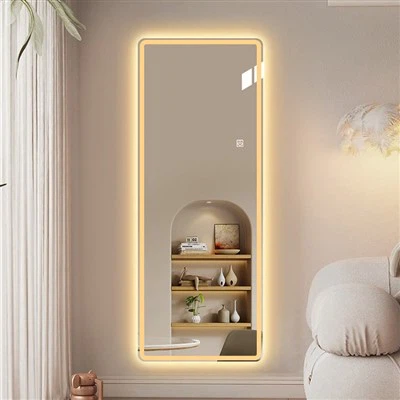
This technology is widely used in a variety of industries and applications, including display screens, solar panels, museum showcases, architectural windows, optical instruments, smart mirrors, and high-end commercial projects. By reducing unwanted reflections and improving light transmission, anti-reflective glass helps enhance visibility, optimize optical performance, and provide a clearer viewing experience across different applications.
For manufacturers and project owners, choosing the right glass type is important because different applications require different levels of transparency, durability, and coating performance.
How does anti-reflective glass work?
How does optical coating reduce reflection?
The working principle of anti-reflective glass is based on optical interference technology.
During manufacturing, a thin coating layer is applied to the glass surface. The thickness and material of this coating are carefully controlled so that reflected light waves from different surfaces partially cancel each other.
As a result:
1.Less light is reflected
2.More light passes through the glass
3.The surface appears clearer
4.Glare is reduced
Compared with traditional glass, coated anti-reflective glass provides improved visual performance, especially under strong lighting conditions.
For example, in a showroom with large glass displays, normal glass may create strong reflections from ceiling lights or windows. Anti-reflective glass helps visitors see products more clearly without distracting glare.
What are the benefits of anti-reflective glass?
1. Improved light transmission
One of the biggest advantages of anti-reflective glass is its ability to improve light transmission. By allowing more light to pass through the glass surface, it can enhance image brightness, improve display performance, and create more natural lighting effects in architectural spaces. This makes AR glass especially valuable for applications such as electronic displays, commercial buildings, and solar energy systems, where optical clarity and maximum light utilization are essential.

2. Reduced Glare and Reflection
Strong reflections from glass surfaces can negatively affect visibility and create visual discomfort, especially in environments with bright lighting or reflective surroundings. Anti-reflective glass is designed to minimize unwanted glare, helping users achieve a clearer and more comfortable viewing experience.
By reducing screen glare, window reflections, and lighting interference, anti-reflective glass improves visibility in various applications. This makes it particularly valuable for office buildings, exhibition halls, medical equipment, and digital signage, where clear information display and visual accuracy are essential.
3. Better Visual Appearance
Modern architecture increasingly emphasizes transparency, natural lighting, and minimalist design. Low reflection glass helps create a cleaner and more elegant appearance by allowing viewers to see through the glass with fewer distracting reflections.
For luxury commercial buildings, showrooms, and interior design projects, customized coated glass can enhance both aesthetic appeal and functional performance. By combining improved transparency with reduced glare, anti-reflective glass provides architects and designers with greater flexibility when creating premium spaces.
4. Enhanced User Experience
In products such as smart mirrors, display systems, and optical equipment, the quality of glass directly influences the overall user experience. Poor-quality glass may cause unwanted reflections, reduced contrast, and unclear images, while anti-reflective glass helps improve optical performance.
With better light transmission and reduced visual interference, anti-reflective glass delivers clearer images, improved contrast, and a more comfortable viewing experience. These advantages make it an ideal choice for applications where precision, clarity, and user interaction are important.
Where is anti-reflective glass commonly used?
Architectural applications
Modern buildings often use specialty glass to balance aesthetics and performance.
Anti-reflective architectural glass is used for:
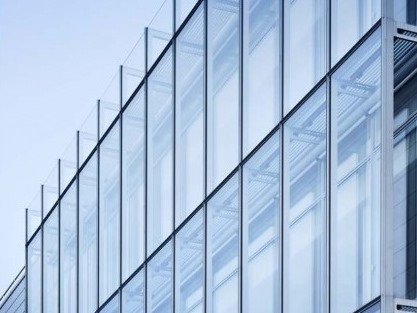
1.Curtain walls
2.Glass facades
3.Exhibition buildings
4.Commercial spaces
Compared with ordinary glass, AR glass helps maintain transparency while reducing unwanted reflections.
Display and electronic products
Electronic devices require glass with excellent optical performance to ensure clear visibility,
accurate image display, and a better user experience. In applications such as touch screens, digital displays, smart devices, and control panels, glass needs to provide not only high transparency but also reliable surface performance to minimize glare and maintain visual clarity. For this reason, optical glass solutions with anti-reflective coatings are widely used in electronic products where display quality and durability are essential.
Solar Panels
Solar energy systems depend on maximizing light absorption to improve overall energy conversion efficiency. Anti-reflective coatings help solar panels receive more sunlight by reducing surface reflection and allowing more light to pass through the glass layer. This improved light transmission can enhance solar panel performance, making anti-reflective glass an important component in photovoltaic applications where every increase in light utilization can contribute to better energy output.
Museum and Exhibition Displays
Museums and exhibition spaces require glass that can protect valuable items while maintaining excellent visibility for visitors. Traditional glass may create unwanted reflections under exhibition lighting, affecting the viewing experience and reducing the clarity of displayed objects. Anti-reflective glass helps minimize these reflections, allowing visitors to appreciate artworks, historical collections, and valuable exhibits with greater visual clarity while maintaining reliable protection.
Anti-reflective glass vs regular glass: What is the difference?
| Feature |
Regular Glass |
Anti-Reflective Glass |
|
Reflection
|
Higher reflection
|
Reduced reflection
|
|
Light transmission
|
Standard
|
Higher
|
|
Visual clarity
|
Normal
|
Improved
|
|
Application
|
General use
|
Premium optical applications
|
|
Surface technology
|
No coating
|
Optical coating
|
 What factors should buyers consider when choosing anti-reflective glass?
1. Coating quality
A reliable manufacturer should use stable coating technology to ensure:
1.Long-term performance
2.Consistent optical properties
3.Surface durability
2. Glass processing capability
Depending on the specific project requirements, buyers may need different glass processing options to achieve the desired performance and appearance. Common services include precision glass cutting, edge polishing, tempering for improved strength, laminating for enhanced safety, and customized shapes for unique designs. A professional glass supplier should provide complete processing solutions. At Luck Glass, these processing capabilities enable us to provide customized glass solutions based on customers' specifications, including size, thickness, shape, and application requirements.
3. Application requirements
Different projects require different glass specifications.
| Application |
Recommended Glass Feature |
|
Display products
|
High transparency
|
|
Buildings
|
Durability and aesthetics
|
|
Smart mirrors
|
Optical clarity
|
|
Solar panels
|
High light transmission
|
Luck Glass offers customized glass processing services to support different architectural and commercial requirements.
How to choose a reliable anti-reflective glass manufacturer?
When selecting an anti-reflective glass manufacturer, buyers should evaluate several factors:
1.Manufacturing experience
Experienced suppliers understand different project requirements and can provide suitable glass solutions.
2.Quality control system
Professional manufacturers should inspect:
Glass thickness
Surface quality
Coating performance
Optical properties
3.Customization capability
OEM projects often involve customized requirements based on the specific application, including glass sizes, shapes, thicknesses, and surface treatments. A manufacturer with strong processing capabilities can better adapt to these requirements and provide more flexible solutions throughout the production process. From initial design adjustments to final product finishing, reliable customization support helps ensure that the glass meets both functional and aesthetic expectations.
Why choose Luck Glass for customized glass solutions?
Luck Glass specializes in providing customized glass products for international customers.
With professional glass processing experience,
Luck Glass supports different applications including:
Architectural glass
Tempered glass
Laminated glass
Decorative glass
Customized glass solutions
The company focuses on:
Professional manufacturing: Experienced production teams ensure stable product quality.
Customized solutions: Different projects can receive tailored glass specifications.
Quality-focused production: Strict inspection procedures help maintain consistent quality from production to delivery.
For customers looking for a reliable glass partner, Luck Glass provides both manufacturing capability and customized support.
Frequently Asked Questions
1. Does anti-reflective glass completely eliminate reflections?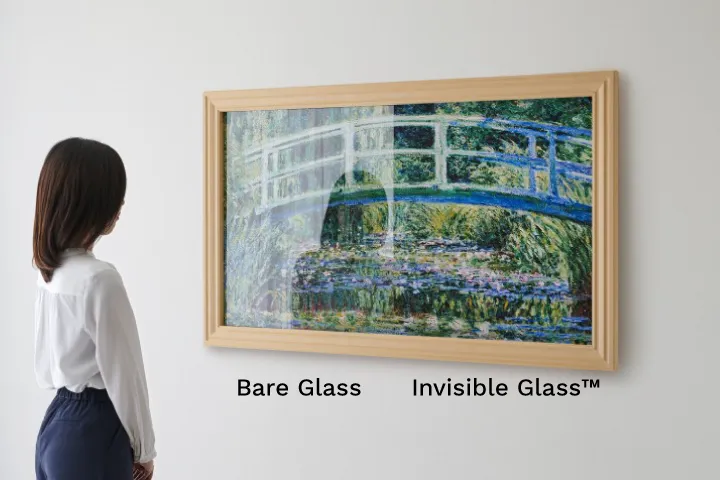
No. Anti-reflective glass significantly reduces reflections but does not completely remove them. Performance depends on coating technology and glass specifications.
2. Is anti-reflective glass durable?
High-quality anti-reflective coatings are designed for long-term use. However, durability depends on coating type, application environment, and manufacturing quality.
3. Can anti-reflective glass be customized?
Yes. Professional glass manufacturers can customize thickness, size, shape, and processing methods according to project requirements.
4. Is anti-reflective glass expensive?
Anti-reflective glass usually costs more than standard glass because it requires additional coating technology and quality control. However, the improved visibility and performance often provide greater value for specialized applications.
Conclusion
So, does anti-reflective glass work? The answer is yes. By reducing reflections and improving light transmission, anti-reflective glass provides better visibility, enhanced aesthetics, and improved performance across many industries.
For businesses searching for a reliable
anti-reflective glass manufacturer, choosing a supplier with advanced processing capabilities, quality control systems, and customization experience is essential.
Luck Glass continues to provide customized glass solutions for global customers, helping projects achieve better clarity, performance, and design flexibility.