You're sitting in a room, and you can see the street perfectly - but the person walking past can't see in. That's the appeal of one-way glass, and it's why so many people ask how to turn an ordinary window into that kind of privacy screen. The short answer is that you have three real options: apply a one-way window film, replace the existing glass with one way glass panels, or upgrade to one way double glazing. Each one works, but they differ a lot in cost, durability, insulation performance and how good the one-way effect actually looks. If you're doing a renovation or building new, the last option is usually the one that pays off in the long run. Here's how each method works, and what to consider before you choose.
The Options for Making Windows One-Way
There are three practical ways to get the one-way see-through effect on a window.
Window Film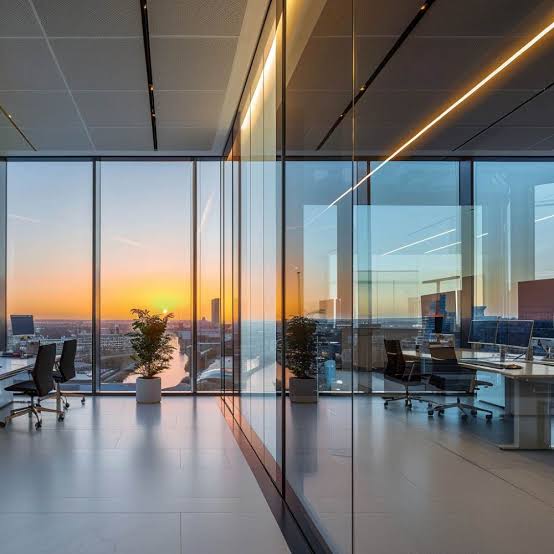
The cheapest and fastest option is a one-way window film - a self-adhesive polyester coating applied directly to the inside or outside of the existing glass. It's essentially the same material you'd use on a car window, and it works because the film has a metallic reflective layer that splits the light. It'll do the job if you're renting, on a tight budget, or just testing whether you like the effect.
The downsides are familiar. Film yellows over time, bubbles at the edges, and usually needs replacing within five to eight years. It also doesn't improve the insulation of the window, and the one-way effect is weaker than what you'd get from a proper coated glass panel. It's a temporary fix, not a permanent upgrade.
One Way Glass Panels
The second option is to take the existing glass out and replace it with one way glass panels - single-pane tinted glass with a reflective metallic coating applied in a vacuum chamber. This gives a much cleaner, more mirror-like daytime appearance than film, and the coating is permanent. It won't bubble, fade or need replacing.
The catch with single-pane one way glass is that it doesn't address the other problems of an old window: heat loss in winter, heat gain in summer, and outdoor noise. If your window is single-glazed, you're solving privacy but not insulation.
One Way Double Glazing
The third option is one way double glazing - an insulated glass unit (IGU) made of two panes of glass with a sealed air gap between them, where one pane carries the one-way reflective coating. This is the upgrade that does two jobs at once: it gives you the daytime one-way privacy of coated glass, and it brings the energy-saving, noise-reducing performance of double glazing. For new builds and major renovations, this is the standard approach.
Related Post: "Is one-way Glass See Through at Night? Privacy Explained"
Why Double Glazing Makes a Difference
Most older houses, offices and hotel rooms have single-pane windows. They leak heat, let in noise, and get uncomfortably hot in summer. If you're already thinking about replacing the glass to get one-way privacy, it's worth considering whether you should do the whole job at once rather than fitting a single pane and leaving the rest.
Better Insulation
One way double glazing uses two panes separated by an air or argon-filled gap. That gap is a thermal buffer. Heat transfer through the window drops dramatically, which means less heating in winter and less air-conditioning load in summer. For commercial buildings and hotels, that's a direct operating-cost saving. For homes, it means fewer cold drafts and a more comfortable room.
Better Performance
Double glazing also reduces outside noise, because two panes plus an air gap absorb sound waves better than a single sheet. And because the reflective coating sits on one pane of a sealed unit, the one-way effect is protected from the elements - it won't weather, oxidize or degrade the way an exposed film can.
| Method | One-way effect | Durability | Insulation | Noise reduction |
|---|---|---|---|---|
| Window film | Moderate | 5-8 years | None | Minimal |
| Single one-way pane | Strong | Permanent | Minimal | Minimal |
| One way double glazing | Strong | Permanent | High | Good |
Related Post: "How does one way tinted glass work?"
View One Way Double Glazing Options
How One Way Double Glazing Works
The principle isn't different from any other one-way glass. The outer pane has a thin metallic coating that reflects a portion of incoming light. During the day, when the exterior is brighter than the interior, most of the daylight bounces back out - so someone outside sees a reflection, and someone inside can see out.
The double-glazed construction adds a second benefit. The reflective coating is on the inner face of the outer pane (surface 2, in glazing terminology), which means it's sealed inside the unit. It never touches rain, cleaning chemicals or outdoor air. That's why the coating stays clear and reflective for decades rather than degrading the way a surface-applied film would. The sealed unit also keeps moisture out - you won't get condensation between the panes, which is a common problem with poorly made double glazing.
It's worth remembering that the one-way effect still depends on light. At night, with the lights on inside and the street dark, the privacy flips - people outside can see in. That's true for every type of one way vision glass, double or single. Blinds, curtains or a secondary frosted treatment are the nighttime answer.
Related Post: "Principles Of One-Way Glass And Its Application"
DIY vs Professional Installation
A lot of people ask whether they can do this themselves. Window film is genuinely a DIY job - it's forgiving, and small mistakes can be fixed with a squeegee. Replacing glass, especially double glazing, is not. A sealed glass unit has to be measured precisely, set into the frame with the right gaskets and sealant, and checked for air leaks. If it's not installed correctly, the unit will fog up from condensation inside the gap, the window will rattle in the wind, and any insulation benefit disappears.
For one way glass panels and one way double glazing, professional installation is the sensible route. A commercial glass suppliers team can also advise on coating orientation - which side the reflective layer should face for your climate and window direction - and on whether you need tempered or laminated construction for safety.
Related Post: "The Difference Between Single-Sided Anti-Reflection Glass And Double-Sided"
One Way Glass Panels: What to Specify
If you're ordering one way glass panels or one way double glazing for a project, a few practical details make a difference. Thickness affects both strength and acoustic performance - thicker glass and a wider air gap reduce noise more. Tempered construction is recommended for doors, large panels and any glazing at human height. The coating color - silver, bronze, grey, green or gold - affects how the building looks from the outside and the warmth of the view from inside.
Working with experienced custom glass suppliers or glass panel manufacturers makes this process straightforward. They can produce panels to your exact sizes, specify the right thickness and coating, supply them as sealed units, and advise on frame and seal requirements. Whether you're a contractor, a glazier or a homeowner, getting the specification right at the start prevents costly mistakes later.
Related Post: "Three Types Of Reflective Glass"
Luck Glass: Your One Way Double Glazing and Glass Panel Supplier
Luck Glass is a professional glass manufacturer producing a full range of one way glass products, including One Way Double Glazing, one way glass panels, one way mirror glass, tinted and reflective glass, tempered glass, laminated glass and insulated glass units. The company supplies one way glass suppliers, custom glass suppliers, commercial glass suppliers and glass panel manufacturers around the world, with advanced vacuum coating, tempering, laminating and insulating glass production lines.
Luck Glass offers One Way Double Glazing in a range of coating colors (silver, bronze, grey, green, gold), thicknesses and panel sizes, with fully tempered or laminated options, argon-filled air gaps, and customizable edge finishing. All one way vision glass can be produced as single panels, sealed double glazing units, or insulated glass units for different project requirements. Whether you're sourcing one way glass panels for residential windows, specifying one way double glazing for a commercial facade, or looking for a reliable manufacturing partner for bulk supply, Luck Glass delivers consistent coating performance, sealed-unit quality and reliable lead times for both sample orders and full-container shipments.
Frequently Asked Questions
Q: Can I make my existing window one-way see through?
A: Yes. The simplest way is to apply a one-way window film to the existing glass. For a more permanent solution, you can replace the glass with one way glass panels or upgrade to one way double glazing. Film is cheapest but temporary; glass replacement gives a permanent result.
Q: Does one way double glazing work at night?
A: Like all one way glass, the effect depends on which side is brighter. During the day, when it's brighter outside, you have privacy from the street. At night, with the lights on inside, the interior becomes the brighter side - people outside can see in. Use blinds or curtains for nighttime privacy.
Q: Is one way double glazing worth it compared to window film?
A: If you're staying in the space long-term, yes. Double glazing gives permanent one-way privacy, much better insulation, reduced noise and no maintenance. Window film is a cheaper temporary option but yellows and needs replacing within years.
Q: Can one way double glazing be tempered?
A: Yes. Most one way glass panels and double glazing units can be fully tempered for safety, especially for doors, large windows and ground-floor glazing. Tempered glass is stronger and breaks into blunt fragments.
Q: How do I choose a one way glass supplier?
A: Look for a manufacturer with vacuum coating capability, experience producing insulated glass units, options for custom sizes and coating colors, and the ability to supply tempered or laminated construction. Reliable lead times and technical support on coating orientation are also important.
Final Thoughts
Making a window one-way see through isn't complicated, but it's worth doing properly. Window film is fine for a quick, cheap fix - especially if you're renting or just trying the effect on for size. If you're renovating, building new, or replacing windows anyway, one way double glazing is the better call. It gives you the daytime privacy you want, the energy savings of double glazing, noise reduction, and a coating that's sealed inside the unit and protected for decades. It's not the cheapest option, but it's the one you'll only have to do once. And remember - no one-way glass, film or panel, replaces a curtain after dark. That's just how the physics works.