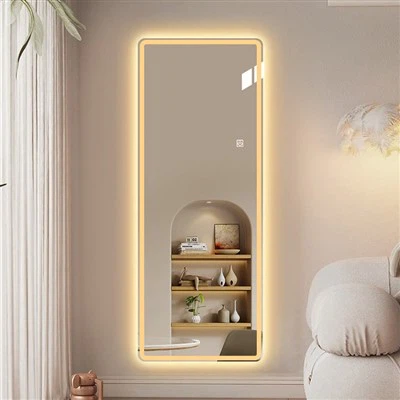
Is anti-reflective glass worth it? For museums, galleries, retail spaces, offices, hospitality projects, and architectural interiors, reducing unwanted reflections can improve visual clarity and the presentation of objects behind glass. This guide explains how Anti Reflective Art Glass works, where it can be used, what B2B buyers should consider, and how to evaluate suppliers, glazing requirements, and the cost of non reflective glass.
Is Anti-Reflective Glass Worth It?
Anti-reflective glass can be worthwhile when reflections interfere with visibility, display quality, lighting, or the overall appearance of a project. Unlike standard clear glass, which can produce noticeable reflections under certain lighting conditions, anti-reflective glass is designed to reduce surface reflection and improve visual transmission.
For homeowners, the difference may be noticeable but not always essential. For commercial and professional applications, however, reflection control can have a much greater impact.
Museums and galleries may use anti-reflective glass to make artwork easier to view. Retail stores can use it to improve product presentation. Offices and hospitality environments may use it where visual clarity and architectural appearance are important.
For architects, interior designers, contractors, developers, and distributors, the decision should therefore be based on the project's requirements rather than simply asking whether anti-reflective glass is more expensive than conventional glass.
The key question is: What value does improved visual clarity provide for the specific application?
What Is Anti Reflective Art Glass?
Anti Reflective Art Glass is designed to minimize visible reflections from the glass surface while maintaining a clear view through the material.
Conventional glass naturally reflects a portion of the light that reaches its surface. Depending on the environment, these reflections can become particularly noticeable when there are strong lights, windows, spotlights, or bright objects positioned behind or around the viewer.
Anti-reflective glass uses a specialized surface treatment or optical coating to reduce this effect. The result is a cleaner visual connection between the viewer and the object or space behind the glass.
This makes it especially useful when the glass itself should become visually unobtrusive.
For example, a framed artwork displayed behind standard glass may show reflections of ceiling lights or nearby windows. With anti-reflective glass, the artwork can appear clearer because fewer distracting reflections are visible.
The same principle can be valuable in architectural applications where designers want glass to maintain a clean and open appearance.
Related post: "What is AR coated tempered glass? Anti-Reflective Coating, Safety Strength and Applications"
How Does Anti-Reflective Glass Improve Visual Clarity?Description
The main benefit is reflection reduction.When light hits ordinary glass, part of it passes through while another portion is reflected from the surface. These reflections can overlap visually with whatever is behind the glass.In a gallery, this may make it difficult to see fine details in a painting. In a retail display, reflections can make products less visible. In an interior partition, strong reflections may change the visual character of the space.Anti-reflective treatment reduces the intensity of these surface reflections, allowing more of the viewer's attention to remain on the object or environment behind the glass.
This is particularly useful when:
· Artwork needs to be viewed clearly
· Display lighting is relatively strong
· The glass is positioned near windows
· Products are displayed behind glass
· Visual transparency is important
· Designers want a cleaner architectural appearance
However, buyers should understand that anti-reflective glass is not simply "invisible glass." Performance depends on the glass construction, surface treatment, lighting conditions, viewing angle, and installation environment.
Related post: "Is there glass that doesn't reflect? Non Reflective Tempered Glass for Safety and Clarity"
Where Is Anti Reflective Art Glass Used?
The most suitable application depends on the project's visual requirements.
Museums and Art Galleries
Artwork display is one of the clearest applications for anti-reflective glass. Paintings, photographs, prints, and other artworks can be difficult to appreciate when reflections cover important visual details. Using Anti Reflective Art Glass can help reduce distracting reflections and create a clearer viewing experience.
For museums and galleries, other factors may also matter, including optical clarity, UV protection, glass thickness, safety, framing systems, and long-term durability. The glass specification should therefore be considered together with the requirements of the artwork and display environment.
Retail Displays
Retail environments often use glass to protect products while maintaining visual access. Jewelry, luxury products, electronics, watches, cosmetics, and other high-value merchandise may benefit from reduced reflections because customers need to see product details clearly. In this application, anti-reflective glass can become part of the overall merchandising strategy rather than simply a glazing material.
Commercial Interiors
Offices, hotels, restaurants, showrooms, and other commercial spaces may incorporate glass into partitions, display areas, doors, and decorative installations. When reflections become visually distracting, anti-reflective glazing can provide a cleaner appearance. This can be particularly relevant in premium interiors where designers carefully control lighting, materials, and visual lines.
What Is Anti Reflective Glass Glazing?
anti reflective glass glazing refers to incorporating anti-reflective glass into an architectural or display glazing system. The glass itself is only one part of the final result. Designers and contractors also need to consider the frame, installation method, surrounding lighting, glass orientation, and adjacent materials. For architectural projects, the glazing system should be specified according to the intended application. For example, a large glass panel in a brightly lit commercial space may require different considerations from a small framed artwork.
When specifying anti-reflective glazing, professional buyers may need to review:
| Specification | What to Consider |
|---|---|
| Glass thickness | Match the structural and application requirements |
| Glass type | Confirm the appropriate substrate and optical characteristics |
| Surface treatment | Understand the reflection-reduction performance |
| Safety | Consider tempered or laminated configurations where required |
| Size | Confirm maximum available dimensions |
| Processing | Check cutting, edging, drilling, and other fabrication options |
| Installation | Confirm the glazing system and mounting method |
| Lighting | Evaluate the glass under actual or representative lighting |
For large projects, requesting samples or mock-ups can be especially useful. Optical performance that looks excellent under one lighting condition may appear different under another.
Related post: "Is there a way to make glass non-reflective? Methods, Applications and Bronze Anti Sun Glass Guide"

How Much Does Anti-Reflective Glass Cost?
The cost of non reflective glass depends on several factors, so there is no single price that applies to every project. Compared with standard clear glass, anti-reflective products can involve additional processing, coating, or specialized manufacturing. The final quotation may also depend on glass thickness, dimensions, quantity, processing requirements, customization, packaging, and shipping.
For B2B buyers, comparing only the price per square meter can therefore be misleading. A more useful approach is to compare the complete specification and project value. For example, if a museum spends more on specialized glazing but significantly improves artwork visibility, the additional material cost may serve a clear purpose. Similarly, a premium retail display may justify specialized glass because product visibility directly contributes to the quality of the presentation.
When requesting quotations, buyers should provide as much information as possible, including:
· Required glass dimensions
· Thickness
· Quantity
· Intended application
· Processing requirements
· Safety requirements
· Delivery destination
· Project schedule
· Packaging requirements
This allows suppliers to provide a more accurate quotation instead of a generic price.
How Should B2B Buyers Compare Anti-Reflective Glass Suppliers?
Choosing the right supplier is especially important for commercial projects because the glass is often only one part of a larger procurement process. An experienced anti reflective glass company should be able to provide clear technical information about its product, including available specifications, processing capabilities, application recommendations, and quality-control procedures.
For larger projects, buyers should also consider whether the supplier can maintain consistent quality across production batches.
| Supplier Factor | Why It Matters |
|---|---|
| Product quality | Determines optical appearance and consistency |
| Manufacturing capability | Supports larger or customized orders |
| Processing services | Simplifies project fabrication |
| Sample support | Helps buyers evaluate the actual product |
| Quality control | Reduces batch-to-batch variation |
| Packaging | Helps protect glass during transportation |
| Communication | Makes technical coordination easier |
| Delivery capability | Important for project schedules |
A supplier that understands both product specifications and project requirements can make procurement more straightforward.
Related post: "How do they make dichroic glass? Manufacturing Process and Dichroic Laminated Glass Explained"
Anti-Reflective Glass for Commercial Projects
Commercial projects often require a different purchasing approach from residential projects. A commercial window company may need to coordinate glass specifications with architects, general contractors, façade consultants, interior designers, or other project stakeholders. For a large commercial installation, the buyer may need multiple types of glass or several processing requirements. In this situation, the ability to coordinate production and fabrication can be as important as the product itself.
Anti-reflective glass can be considered for:
· Museums
· Art galleries
· Hotels
· Retail stores
· Luxury showrooms
· Corporate offices
· Exhibition spaces
· Interior display systems
· Decorative architectural installations
The appropriate specification should always be confirmed according to the project's technical requirements and local building standards.
Why Choose Luck Glass for Anti Reflective Art Glass?
For B2B buyers, Luck Glass provides glass and mirror solutions for architectural, commercial, interior, and customized applications. Anti Reflective Art Glass can be considered for projects where visual clarity and reduced surface reflection are important. Depending on the project requirements, buyers can discuss glass specifications, dimensions, processing requirements, quantities, and application scenarios with the supplier before production. For architects and interior designers, this approach makes it easier to connect the visual goal with the practical glass specification. For contractors and distributors, manufacturing and processing capability can also simplify procurement when projects require customized dimensions or multiple processing steps.
Rather than selecting glass based only on appearance or price, project buyers can evaluate the product according to its intended use, required performance, production consistency, and overall supply capability.
Related post: "What is Aquatex glass? Pattern, Privacy, Uses and Aquatex Obscure Glass Guide"
Frequently Asked Questions
Is Anti Reflective Art Glass suitable for artwork?
Yes, it can be suitable for artwork display where reducing reflections and improving visual clarity are important. The final specification should also consider the artwork, frame, lighting, safety requirements, and installation system.
Is anti-reflective glass more expensive than standard glass?
It can cost more because specialized surface treatment or manufacturing may be involved. The final price depends on glass thickness, dimensions, quantity, processing, customization, and other project requirements.
Can anti-reflective glass be used for commercial projects?
Yes. It can be considered for museums, galleries, retail displays, showrooms, offices, hospitality interiors, and other commercial applications where visual clarity is important.
How should I choose an anti-reflective glass supplier?
Compare product specifications, optical quality, processing capability, sample support, quality control, customization, packaging, and delivery capability. For large projects, supplier consistency and communication are particularly important.
Final Thoughts
So, is anti-reflective glass worth it? The answer depends on what the glass needs to achieve. For projects where ordinary reflections have little impact, standard glass may provide a practical solution. But where visibility, artwork presentation, product display, or architectural aesthetics are important, anti-reflective glazing can offer a meaningful improvement. Anti Reflective Art Glass is particularly relevant to museums, galleries, retail environments, hospitality interiors, offices, and other commercial applications where the glass should provide protection without becoming a visual distraction.
For B2B buyers, the best purchasing decision should consider optical performance, glass specifications, processing, safety, project requirements, supplier capabilities, and total cost rather than focusing on price alone. Working with an experienced manufacturer or supplier can also help ensure that the selected glass is suitable for both the design objective and the practical requirements of the project.
Discuss your project requirements with our team