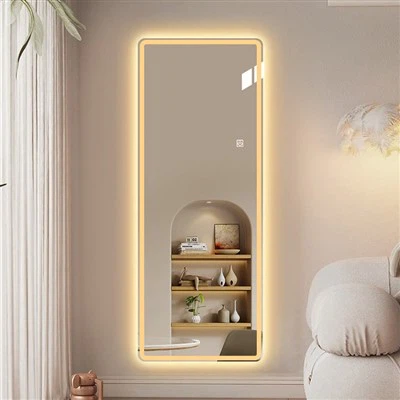
AG glass stands for anti-glare glass. It is glass with a specially treated surface designed to diffuse reflected light and reduce distracting glare from surrounding light sources. Unlike ordinary clear glass, which can produce noticeable reflections under direct lighting, AG glass uses a surface texture to spread reflected light over a wider angle, helping improve visual comfort and screen readability.
For manufacturers of electronic devices, display systems, industrial equipment, and touch-enabled products, AG glass can be an important component in improving the user experience. AG Ultra-thin Glass combines an anti-glare surface with a thin glass substrate, making it suitable for applications where a slim profile, optical performance, and a refined surface finish are required. However, the appropriate specification depends on the display design, expected lighting conditions, touch requirements, and mechanical demands of the finished product.
What Does AG Glass Mean in Glass Manufacturing?
In glass manufacturing, AG refers to anti-glare. The term generally describes glass whose surface has been modified to scatter reflected light rather than reflecting it primarily in a concentrated, mirror-like direction.
Anti-glare glass is commonly produced through controlled surface treatment, such as chemical or mechanical processes, depending on the product and manufacturing method. The treatment creates a fine surface texture that changes how light interacts with the glass.
AG glass is different from anti-reflective (AR) glass. Anti-glare glass reduces the visual impact of reflections by diffusing them, while anti-reflective glass typically uses optical coatings to reduce the amount of light reflected from the surface. These technologies serve related but different purposes, and the best choice depends on the optical requirements of the application.
For ultra-thin glass, the surface treatment must be compatible with the substrate thickness and the intended processing route. Buyers should confirm the available thickness range, surface finish, optical characteristics, and downstream processing compatibility with the manufacturer.
Related Post: "The Wide Application Of Ultra-thin Glass in Electronic Products"
How Does AG Ultra-thin Glass Work?
AG Ultra-thin Glass combines a thin glass substrate with an anti-glare surface treatment. When ambient light strikes the treated surface, microscopic surface features scatter the reflected light, reducing concentrated reflections that can make a display difficult to view.
The effect depends on the surface texture and the surrounding lighting environment. AG glass does not eliminate all reflections, and the degree of glare reduction can vary between products. A more strongly textured surface may reduce visible reflections but can also affect image sharpness, contrast, or display sparkle in certain applications.
For this reason, selecting AG glass involves balancing several properties rather than simply choosing the strongest available anti-glare effect.
| Property | Why it matters | What buyers should verify |
|---|---|---|
| Surface roughness | Influences how reflected light is scattered | Manufacturer's surface specification |
| Haze | Indicates the extent of light scattering through the material | Haze measurement and acceptance range |
| Gloss or reflectance | Helps characterize surface appearance and reflections | Relevant test method and measured values |
| Optical clarity | Affects display detail and visual quality | Application-specific optical requirements |
| Thickness | Influences integration and mechanical design | Tolerance and compatibility with the device |
| Surface durability | Matters during handling, cleaning, and use | Approved cleaning methods and durability data |
The values required for these properties depend on the display and device design. Buyers should request technical data for the specific AG Ultra-thin Glass grade instead of relying on general descriptions.
Related Post: "Application Of Ultra-thin Glass"
What Is AG Ultra-thin Glass Used For?
AG Ultra-thin Glass is considered for applications that need a thin glass cover and improved control of reflected light. Its suitability depends on the product's optical requirements, dimensions, processing compatibility, and mechanical design.
1. Touchscreens and Display Panels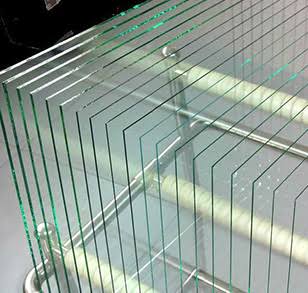
Touchscreens are a common application for anti-glare glass. Reflections from ceiling lights, windows, and other environmental light sources can interfere with viewing information on a display. An AG surface can help diffuse those reflections and improve usability under suitable lighting conditions.
Potential applications include control panels, interactive displays, point-of-information terminals, and selected consumer electronics. For touch-enabled products, buyers should also evaluate touch sensitivity, surface smoothness, finger movement, cleaning requirements, and compatibility with the underlying display stack.
2. Industrial and Commercial Display Equipment
Industrial control systems, commercial terminals, and equipment interfaces may be installed in environments with bright overhead lighting or changing ambient conditions. AG glass can help make displayed information easier to view by reducing concentrated surface reflections.
In these applications, optical requirements should be assessed alongside operational demands. Depending on the equipment, buyers may also need to consider impact resistance, chemical exposure, cleaning frequency, and the expected service environment.
3. Portable Electronic Devices
Ultra-thin glass may be considered for compact electronic products where thickness and weight are important design factors. An anti-glare finish can support viewing comfort while maintaining a glass surface for the device's exterior interface.
The final choice depends on the complete assembly. Ultra-thin glass should not automatically be assumed to provide the same mechanical performance as thicker glass. Device designers need to verify strength requirements, edge conditions, mounting methods, and any required strengthening or lamination process.
4. Specialized Optical and Equipment Interfaces
Some instruments and specialized equipment use glass interfaces to protect a display or provide a smooth, cleanable surface. Where reflections interfere with reading measurements or operating controls, an AG finish may be appropriate.
The product must be evaluated for the actual optical path and environment. For example, applications requiring very high image clarity may need a different balance of haze and surface texture than applications designed primarily for glare reduction.
What Are the Main Benefits of AG Glass?
AG glass offers several potential benefits when its properties are matched to the intended application.
Reduced distracting reflections: Surface diffusion can make bright reflected light less concentrated, helping reduce the visual distraction caused by some light sources.
Improved viewing comfort: In appropriate lighting conditions, anti-glare glass can make displays more comfortable to view by softening the appearance of reflections.
A suitable surface for display integration: AG glass can be incorporated into selected display and touchscreen assemblies, subject to the required thickness, surface quality, and processing compatibility.
Design flexibility: Ultra-thin formats may help product designers develop slim assemblies, provided the glass grade meets the mechanical and manufacturing requirements.
There are also trade-offs. Surface scattering can affect image clarity, contrast, or perceived sharpness. AG glass may still reflect some light, and the results depend on the lighting environment and the display construction. Product testing under realistic operating conditions is therefore important.
Related Post: "Multifunctional Development Of Anti-glare Glass: Anti-blue Light, Anti-fingerprint And Antibacterial"
AG Glass vs. AR Glass: What Is the Difference?
AG and AR glass are designed to address reflection-related viewing problems, but they work differently.
| Comparison | AG Glass | AR Glass |
|---|---|---|
| Full name | Anti-glare glass | Anti-reflective glass |
| Primary mechanism | Scatters reflected light through surface texture | Uses optical coatings to reduce surface reflection |
| Typical visual effect | Reflections appear more diffuse | Reflected light can be reduced in intensity |
| Important consideration | Haze and image clarity | Coating performance, durability, and color effects |
| Selection priority | Managing distracting reflections | Reducing the amount of reflected light |
Neither option is universally better. AG glass may be suitable where diffuse reflections are acceptable and glare reduction is a priority. AR glass may be preferred where minimizing reflection is critical to the optical design. Some products combine multiple surface technologies, but compatibility and performance must be verified for the specific product.

How to Choose the Right AG Ultra-thin Glass
When sourcing AG Ultra-thin Glass for a commercial or manufacturing project, buyers should begin with the application requirements and work backward to the glass specification.
Confirm the Thickness and Dimensions
Specify the required nominal thickness, thickness tolerance, panel dimensions, and dimensional tolerances. Ultra-thin glass can require careful handling and process control, so buyers should confirm that the supplier can manufacture and process the requested format.
Define the Optical Requirements
Determine the acceptable haze, gloss or reflectance characteristics, and clarity requirements. Where possible, provide reference samples or display performance criteria so that the manufacturer can assess whether its product matches the intended result.
Check Surface Quality and Durability
Surface defects, contamination, and inconsistent treatment can affect display appearance. Ask the supplier to explain its inspection process and provide relevant technical documentation. If the glass will undergo repeated cleaning or exposure to chemicals, confirm suitable cleaning methods and any available durability information.
Review Downstream Processing Compatibility
The glass may need cutting, edge finishing, strengthening, printing, coating, lamination, or integration into a display module. Not every grade is compatible with every process. Confirm the required sequence and processing limits before approving mass production.
Request Samples and Verify Performance
A sample should be evaluated in the intended display assembly and lighting environment. Check for glare reduction, haze, sparkle, color shift, readability, and touch performance where applicable. Testing the complete assembly is more reliable than judging the glass in isolation.
Related Post: "The Importance Of Anti-glare Glass in Exhibitions And Museums"
What Should Buyers Look for in an AG Glass Supplier?
Choosing a supplier involves more than confirming that a product is described as anti-glare. For OEMs, display manufacturers, and project procurement teams, the supplier should be able to explain the product specification and confirm whether it fits the intended manufacturing process.
A qualified glass supply company should provide clear technical information, communicate product limitations, and confirm available dimensions and processing options. When comparing commercial glass suppliers, buyers should review their experience with the required glass category, quality-control arrangements, documentation, packaging, and delivery coordination.
For specialized ultra-thin glass, confirm whether the supplier can meet the requested thickness tolerance and surface requirements. A glass panel supplier should also clarify how panels are inspected, packed, labeled, and protected during transport, especially when the glass is delicate or intended for precision integration.
For buyers sourcing from China, searches such as China AG Ultra-thin Glass factory, AG Ultra-thin Glass made in China, and China AG Ultra-thin Glass suppliers can help identify potential manufacturers and suppliers. These phrases alone do not establish manufacturing capability or product quality. Buyers should verify the actual production scope, technical specifications, sample results, and quality documentation.
When requesting a quotation, include the following information:
Required glass thickness and tolerance
Panel dimensions, quantity, and dimensional tolerance
AG surface specification and optical performance targets
Any cutting, edge finishing, strengthening, printing, or other processing requirements
Intended application and operating environment
Sample approval procedure, packaging needs, and delivery destination
The phrase AG Ultra-thin Glass price may be used during procurement research, but meaningful comparisons require equivalent specifications. Thickness, panel size, surface treatment, optical targets, processing steps, order quantity, and delivery arrangements can all affect the scope of a quotation. Confirm that suppliers are quoting the same product requirements before comparing offers.
Why Choose Luck Glass for AG Ultra-thin Glass?
Luck Glass supports buyers sourcing glass for architectural, commercial, and specialized applications. For AG Ultra-thin Glass projects, the first step is to clarify the required thickness, panel dimensions, surface finish, optical characteristics, and intended use.
Sharing drawings, reference samples, and technical requirements helps establish whether a proposed glass specification is suitable for the application. Buyers should also confirm available processing options, inspection requirements, packaging methods, and delivery arrangements before production.
For projects that involve specialized display integration, the glass specification should be checked against the requirements of the downstream manufacturer. This helps ensure that the selected surface finish and substrate dimensions are compatible with the intended assembly. Luck Glass can discuss project requirements and help buyers clarify the product information needed for supplier evaluation and procurement.
Related Post: "Application Technology Principle Of Anti-glare Glass"
Frequently Asked Questions
What does AG stand for in glass?
AG stands for anti-glare. AG glass has a surface designed to diffuse reflected light, helping reduce concentrated reflections that can interfere with viewing.
Is AG glass the same as anti-reflective glass?
No. AG glass typically scatters reflected light through surface texture, while AR glass generally uses optical coatings to reduce the amount of reflected light. They serve different optical purposes.
Does AG glass eliminate glare completely?
No. AG glass can reduce the visual impact of certain reflections, but it does not eliminate every reflection. Performance depends on the surface treatment, lighting environment, and display configuration.
Is AG Ultra-thin Glass suitable for touchscreens?
It can be suitable for selected touchscreen applications if its thickness, surface properties, optical performance, and processing compatibility meet the device requirements. Testing the glass in the complete assembly is recommended.
What information should I provide when contacting a supplier?
Provide the intended application, thickness, dimensions, quantity, surface and optical requirements, processing needs, and any relevant drawings or reference samples. These details help the supplier assess suitability and prepare a comparable specification.

Final Thoughts
AG glass means anti-glare glass, a type of glass designed to diffuse reflected light and help improve viewing comfort in suitable applications. AG Ultra-thin Glass may be considered for touchscreens, display panels, industrial interfaces, and other products where a slim glass substrate and controlled surface appearance are important.
The right choice depends on balancing glare reduction, optical clarity, mechanical requirements, processing compatibility, and quality consistency. For B2B buyers, a clear specification, sample evaluation, and supplier verification are essential steps before approving the product for production.
Related Post: "Application Field Of Anti-glare Glass"