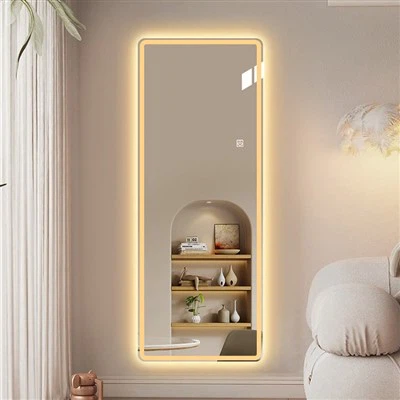
Acid-etched glass is glass that has been treated with an acid-based process to create a translucent, matte, or satin-like surface. This finish diffuses light, softens clear views, and adds a refined appearance to architectural and interior spaces. Depending on the manufacturing process and product construction, acid-etched glass can be supplied as satin acid-etched glass, acid-etched laminated glass, acid-etched frosted glass, or acid-etched tempered glass.
These four product categories offer different combinations of appearance, privacy, and safety-related performance. They can be considered for office partitions, interior doors, decorative panels, and selected bathroom applications, depending on their specifications. For architects, designers, contractors, and procurement teams, understanding the differences helps ensure that the selected glass matches both the design intent and the requirements of the installation.
What Are the Four Types of Acid-Etched Glass?
Although these products share a translucent or frosted visual effect, they are not identical. Satin acid-etched glass focuses on surface appearance, laminated glass combines multiple layers, frosted glass describes a diffused finish, and tempered glass is heat-treated to improve its strength and alter its breakage behavior. The right option depends on whether the project prioritizes aesthetics, privacy, safety glazing, or a combination of these factors.
1. Satin Acid-Etched Glass
Satin acid-etched glass features a smooth, matte surface with a soft,  understated appearance. The acid-etching process creates a fine texture that diffuses light and reduces direct visibility through the glass. Compared with heavily patterned glass, its restrained finish works well in modern interiors where designers want visual privacy without adding a prominent pattern. The satin effect can complement stone, metal, wood, and other architectural materials. It is suitable for projects that require a clean appearance across individual panels or larger glazed areas.
Common Applications
Satin acid-etched glass can be considered for:
Office partitions and meeting-room dividers
Interior doors and privacy screens
Cabinet inserts and decorative panels
Reception areas and commercial interiors
Selected bathroom partitions and enclosures, subject to the required glass specification
When sourcing from acid etched glass manufacturers, project buyers should confirm the surface finish, glass thickness, available dimensions, edge treatment, and compatibility with any additional processing. For installations involving multiple panels, approving a sample helps establish expectations for surface consistency and visual appearance.
Satin acid-etched glass is particularly useful when the design calls for privacy and light diffusion without a strong decorative pattern.
Related Post: "What Is Acid-etched Glass"
2. Acid-Etched Laminated Glass
Acid-etched laminated glass combines a translucent glass surface with a laminated glass construction. Laminated glass generally consists of two or more glass layers bonded together with an interlayer. If the glass breaks, the interlayer is designed to help retain fragments, although the actual performance depends on the glass, interlayer, construction, and applicable testing requirements.
This combination allows designers to incorporate a soft, diffused finish into applications where laminated glazing is specified. It can be considered for certain partitions, doors, screens, and decorative architectural features.
Key Features and Selection Considerations
The main advantage is the combination of a decorative surface and a layered glass construction. However, not every laminated glass product provides the same safety performance, and acid etching alone does not make glass safety glass.
Before specifying acid-etched laminated glass, confirm:
The number and thickness of glass layers
The interlayer type and intended application
Which surface is acid-etched
The required safety-glazing classification and test documentation
Edge finishing, cutouts, and installation details
Suitability for the expected temperature and moisture conditions
For commercial projects, the complete glass construction should be evaluated against local building requirements and the intended use. This is especially important where impact resistance, human safety, or overhead installation is involved.
Acid-etched laminated glass can be a useful option when the project needs a translucent finish alongside the characteristics of laminated construction. The final specification should be based on verified product data rather than appearance alone.
Related Post: "Five Types Of Decorative Glass"
3. Acid-Etched Frosted Glass
Acid-etched frosted glass has a matte or frosted appearance created through acid treatment. The process changes the glass surface so that light is scattered rather than passing through as a clear image. This helps reduce direct visibility while allowing light to enter the space.
The terms acid-etched glass and frosted glass are sometimes used interchangeably in product descriptions, but frosted glass can also be produced through other processes, including sandblasting or the application of films. Buyers should therefore confirm the actual finish and manufacturing method when comparing products.
Where Is Acid-Etched Frosted Glass Used?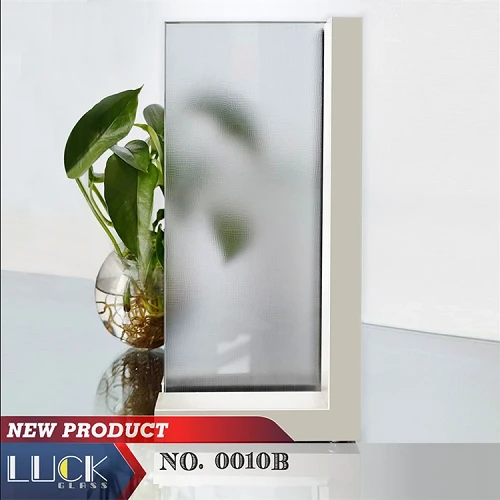
Common applications include office partitions, meeting rooms, interior doors, cabinet doors, privacy screens, and selected bathroom installations. It can help separate functional areas while preserving a lighter, more open interior appearance than an opaque wall.
For bathroom projects, acid-etched frosted glass may be considered for shower enclosures or other privacy elements, provided the glass construction, thickness, hardware, and installation method meet the relevant requirements. Acid-etched shower doors should not be selected on appearance alone; the complete assembly needs to be appropriate for the intended wet-area application.
When evaluating acid etched frosted glass, buyers should consider the following factors:
| Selection factor | What to confirm |
|---|---|
| Privacy | How much visibility is reduced under different lighting conditions |
| Surface finish | Matte appearance, consistency, and tactile characteristics |
| Dimensions | Required panel sizes and dimensional tolerances |
| Maintenance | Recommended cleaning products and care instructions |
| Fabrication | Compatibility with cutting, drilling, tempering, or lamination |
| Installation | Suitability for the specified location and support system |
The degree of privacy depends on the glass finish, lighting on both sides, and viewing distance. A physical sample is useful for checking the effect before committing to a larger order.
Related Post: "What Is Frosted Glass"
4. Acid-Etched Tempered Glass
Acid-etched tempered glass combines a frosted or matte surface with a heat-treatment process. Tempering  involves heating glass and cooling it under controlled conditions to alter its strength and breakage behavior. When properly manufactured, tempered glass generally breaks into smaller fragments than ordinary annealed glass, but it is not unbreakable.
This product is useful for projects where a translucent appearance is desired and the installation calls for tempered glass. Depending on the specification, potential applications include partitions, doors, shower enclosures, and decorative panels.
Important Considerations Before Ordering
The sequence of processing matters. Glass generally needs to be cut, drilled, and edge-finished before tempering, because post-tempering fabrication can cause the glass to break. The required acid-etched finish and tempering process should therefore be coordinated during specification and production planning.
Project buyers should confirm:
The required glass thickness and finished dimensions
The location and extent of the acid-etched surface
Whether all cutouts and edgework are included before tempering
Applicable safety-glazing requirements and documentation
Hardware compatibility and installation clearances
Whether samples or appearance approvals are needed
For shower applications, acid-etched tempered glass can offer a privacy-oriented finish, but suitability depends on the complete enclosure design, hardware, installation, and applicable building requirements.
Acid-etched tempered glass is a practical option when both a diffused surface and tempered-glass construction are required. It should be specified as a complete product rather than treating etching and tempering as interchangeable processes.
Related Post: "The Advantages And Disadvantages Of Tempered Glass"
Acid-Etched Glass vs. Other Frosted Glass Options
Not all glass with a frosted appearance is manufactured in the same way. Understanding the difference between surface treatment and glass construction helps buyers compare products more accurately.
| Product | Main characteristic | Typical reason for selection |
|---|---|---|
| Satin acid-etched glass | Smooth, matte surface | Refined appearance and light diffusion |
| Acid-etched laminated glass | Acid-etched surface with laminated construction | Decorative finish combined with a specified laminated assembly |
| Acid-etched frosted glass | Frosted appearance created by acid treatment | Privacy and diffused light |
| Acid-etched tempered glass | Matte finish with tempered-glass construction | Translucent appearance where tempered glazing is required |
When reviewing a supplier's catalogue, clarify whether the product name refers to the surface treatment, the glass processing method, or the complete construction. This avoids confusion during procurement and helps ensure that the delivered glass matches the approved specification.
How to Choose an Acid-Etched Glass Supplier
Choosing a supplier involves more than finding the desired frosted appearance. Project teams should evaluate product specifications, manufacturing capabilities, communication, quality-control procedures, and the supplier's ability to support the required dimensions and processing.
When contacting acid etched glass manufacturers, provide the intended application, approximate quantities, glass dimensions, preferred finish, and any requirements for tempering or lamination. Drawings and reference images can help clarify the expected appearance and fabrication details.
A reliable glass panel supplier should be able to explain the available product options and identify which technical details need confirmation. Buyers should request relevant product documentation and verify safety-related claims against applicable standards rather than relying on general descriptions.
For projects sourcing from chinese glass manufacturers, it is also useful to clarify packaging, shipping arrangements, inspection expectations, and communication procedures before production begins. These details help coordinate deliveries and reduce misunderstandings, particularly when multiple panels or customized dimensions are involved.
Searches for acid etched glass price may be part of early procurement research, but comparisons are only meaningful when the specifications are aligned. Glass thickness, processing, dimensions, packaging, and delivery scope can all differ between quotations. Confirming the complete requirements first makes it easier to compare equivalent products without overlooking important technical differences.
Decorative Glass Solutions from Luck Glass
Luck Glass offers glass products for decorative and architectural applications. For projects involving acid-etched glass, buyers can discuss the intended use, preferred finish, dimensions, and processing requirements with the team to identify suitable options for further evaluation.
Whether a project requires satin-finished panels, laminated constructions, frosted surfaces, or tempered glass, the first step is to define the complete specification. Information such as drawings, reference photographs, glass sizes, edge details, and installation conditions helps establish what the finished product needs to achieve.
For larger commercial and interior design projects, sample approval and clear documentation can help maintain consistency across multiple panels. Product suitability, fabrication feasibility, and any safety-related requirements should be confirmed before an order proceeds to production.
Luck Glass works with project buyers to explore decorative glass options and coordinate product requirements according to the intended application. Contact the team to discuss your project and determine which specifications need to be confirmed.
Related Post: "The Future Of Decorative Glass"
Frequently Asked Questions
What is acid-etched glass used for?
Acid-etched glass is used for partitions, interior doors, privacy screens, cabinet panels, and decorative architectural features. It diffuses light and reduces clear visibility, making it suitable for many applications where a translucent finish is preferred.
Is acid-etched glass the same as frosted glass?
Not always. Acid etching is one method of creating a frosted appearance. Frosted glass can also be produced using other surface treatments or applied films, so buyers should confirm the actual manufacturing method.
Can acid-etched glass be tempered?
Yes, depending on the product and processing requirements. The manufacturing sequence should be planned carefully, because cutting, drilling, and edgework generally need to be completed before tempering.
Is acid-etched glass suitable for shower doors?
It may be suitable when the glass construction, thickness, hardware, and complete enclosure meet the relevant safety and installation requirements. The acid-etched finish itself does not determine whether the glass is suitable for a shower door.
What should I ask an acid-etched glass manufacturer before ordering?
Ask about available finishes, thicknesses, dimensions, fabrication options, sample approval, packaging, lead times, and technical documentation. Specify the intended application and any requirements for tempering, lamination, or safety glazing.
Final Thoughts
Acid-etched glass provides a versatile way to introduce privacy, light diffusion, and a refined surface finish into architectural and interior design projects. Satin acid-etched, laminated, frosted, and tempered options each describe different product characteristics, and some can be combined in a single glass construction.
For the best result, define the intended application first, confirm the full glass specification, and review a sample before approving production. Working with an experienced supplier can help project teams coordinate finish, fabrication, and installation requirements more effectively.
Related Post: "The Advantages And Disadvantages Of Tempered Glass"