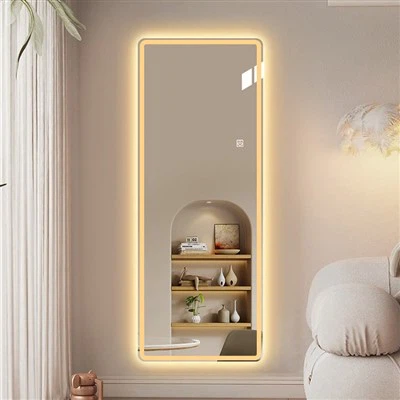
Acid-etched glass and frosted glass are closely related, but they are not exactly the same. Frosted glass is a broad category describing glass with a translucent, light-diffusing appearance, while acid-etched glass is a type of frosted glass produced through an acid-based surface treatment. Other frosted finishes can be created through sandblasting or applied films, and each method can produce a different surface appearance.
For architects, interior designers, contractors, and project buyers, understanding this relationship helps avoid confusion when specifying decorative glazing. Satin acid-etched glass is valued for its fine, relatively uniform matte finish, while other frosted products may have different textures or maintenance requirements. When acid etching is combined with laminated construction, Acid Etched Laminated Glass brings a decorative surface together with a layered glass structure for selected architectural and interior applications.
What Is Frosted Glass?
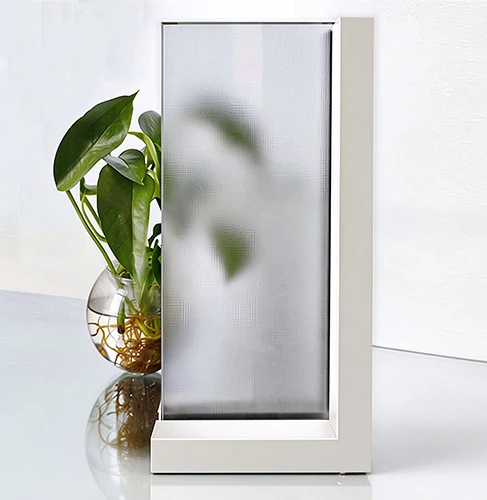
Frosted glass describes glass that allows light to pass through while obscuring a clear view. Instead of seeing objects sharply through the panel, viewers see blurred shapes or softened outlines. The level of obscurity depends on the finish, lighting conditions, and viewing distance.
Frosted glass is commonly used where designers want a balance between natural light and visual privacy. Applications include office partitions, bathroom windows, interior doors, cabinet inserts, meeting rooms, and decorative screens.
Importantly, frosted glass describes the visual result rather than one specific manufacturing method. Products marketed under this name may be acid-etched, sandblasted, or covered with a frosted film. Their surface characteristics and long-term care requirements can therefore differ.
Common Methods of Producing Frosted Glass
Acid etching: An acid-based treatment changes the glass surface to create a fine, matte appearance that diffuses light.
Sandblasting: Abrasive particles are directed against the surface to produce a frosted effect. The texture varies according to the treatment and finishing process.
Frosted film: A film is applied to existing glass to reduce visibility. Its durability and maintenance requirements depend on the film and installation quality.
These methods should not be treated as interchangeable. When selecting a product, confirm the actual manufacturing process and inspect a sample rather than relying on the word frosted alone.
Learn More About Frosted Glass→ Related Post: "What Is Frosted Glass"
What Is Acid-Etched Glass?
Acid-etched glass is produced by treating the surface of glass with an acid-based process to create  a translucent, matte finish. The treatment scatters light and softens direct reflections, reducing clear visibility through the glass while preserving a light, open appearance.
One commonly specified version is satin acid-etched glass. It has a refined, understated finish that can complement wood, metal, stone, and other materials used in contemporary interiors. The exact appearance depends on the product specification and manufacturing process.
Key Characteristics of Acid-Etched Glass
A smooth, matte appearance: Satin finishes typically have a fine, uniform visual effect rather than a pronounced decorative pattern. The actual surface feel can vary between products.
Diffused light: The treated surface scatters light, helping reduce direct visibility while allowing light to enter the space.
Versatile applications: Acid-etched glass can be considered for partitions, interior doors, cabinet panels, decorative screens, and selected bathroom installations.
Integrated surface finish: Unlike an applied frosted film, the effect is created through surface treatment of the glass itself. This does not mean every acid-etched product has identical cleaning or durability characteristics; product-specific guidance should still be followed.
Acid-etched glass is one type of frosted glass, so the terms overlap. The main distinction is that acid etching identifies the process, while frosting describes the appearance.
Understand Acid-Etched Glass Applications→ Related Post: "What Is Acid-etched Glass"
Acid-Etched Glass vs. Other Frosted Glass: What Are the Differences?
The most useful comparison is not simply acid-etched versus frosted glass, because acid-etched glass belongs within the broader frosted-glass category. A more accurate comparison looks at acid etching alongside other methods that create a frosted appearance.
| Feature | Acid-etched glass | Sandblasted glass | Frosted film |
|---|---|---|---|
| How the effect is created | Acid-based surface treatment | Abrasive treatment of the glass surface | Film applied to the glass |
| Typical appearance | Often fine and satin-like | Texture varies with the abrasive treatment | Depends on film type |
| Light diffusion | Diffuses light through the treated surface | Diffuses light through the treated surface | Depends on film opacity and finish |
| Surface characteristics | Depends on the etching specification | May have a more noticeable texture | Film remains an applied layer |
| Maintenance | Follow the glass manufacturer's instructions | Follow the product's care guidance | Use film-compatible cleaning methods |
| Main selection factor | Desired finish and fabrication needs | Desired texture and application | Film performance and installation conditions |
This comparison provides a general guide, not a guarantee that one method always performs better than another. Different products can vary in optical properties, surface consistency, and cleaning requirements.
Which Finish Looks More Refined?
Satin acid-etched glass is often selected for interiors that call for a restrained, uniform matte appearance. Sandblasted finishes can also suit architectural designs, particularly where a specific surface texture is desired. Frosted films may be useful when modifying existing clear glass without replacing the panel.
The best choice depends on the intended design, project conditions, and product specifications. Viewing samples under the planned lighting conditions helps designers assess how the finish will look in the finished space.
Know More About Decorative Glass⇒ Related Post: "Types Of Decorative Glass"
What Is Acid Etched Laminated Glass?
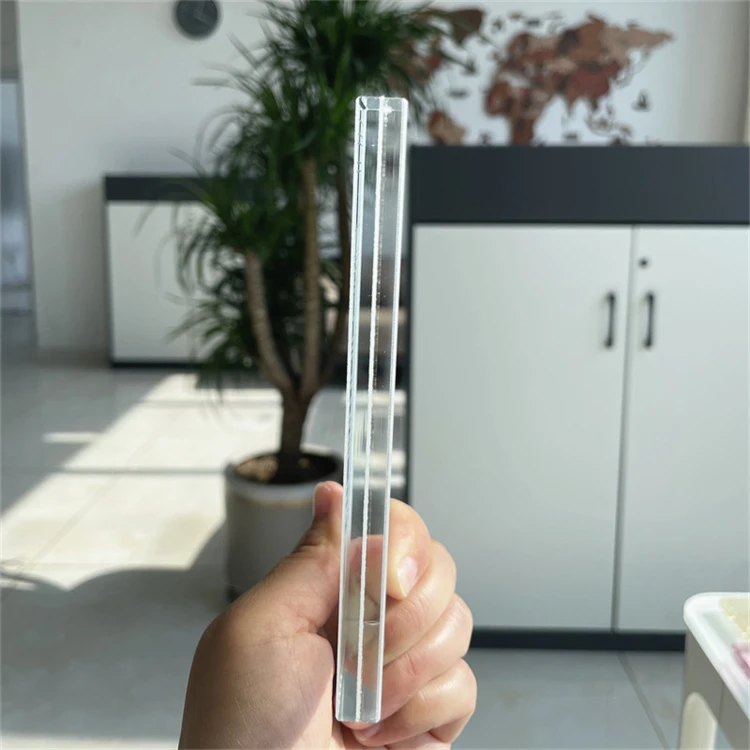
Acid Etched Laminated Glass combines an acid-etched surface with a laminated glass construction. Laminated glass generally consists of two or more glass layers bonded together by an interlayer. Depending on the specified construction, the interlayer is designed to help retain glass fragments if breakage occurs.
This product combines a decorative, light-diffusing finish with the characteristics of laminated construction. It can be considered for selected architectural partitions, interior screens, doors, and decorative panels where the design requires both a translucent surface and a layered glass assembly.
Main Features of Acid Etched Laminated Glass
1. A translucent decorative finish
The acid-etched surface softens direct views and creates a matte appearance. It can help separate areas visually without relying on a completely opaque material.
2. Laminated construction
The glass layers and interlayer form a composite assembly. Fragment-retention behavior and other safety-related properties depend on the specific glass construction, interlayer, and applicable testing requirements.
3. Design flexibility
The product may be specified in different dimensions and constructions, subject to manufacturing capabilities. Designers should confirm the surface treatment, layer arrangement, edge finish, and any additional processing needed.
4. Potential for architectural applications
Depending on its verified specification, Acid Etched Laminated Glass may be considered for interior partitions, decorative screens, selected doors, and other architectural features. Suitability for each application must be confirmed against the installation conditions and relevant building requirements.
Acid etching alone does not make glass safety glass, and lamination does not automatically make every product suitable for every safety-critical location. The complete assembly should be specified and verified for its intended use.
Explore Different Types of Decorative Glass⇒ Related Post: "Five Types Of Decorative Glass"
Where Can Acid-Etched Laminated Glass Be Used?
The combination of a diffused surface and laminated construction can be useful in several types of interiors. The right application  depends on the design intent, glass dimensions, support system, and technical requirements.
Office Partitions and Meeting Rooms
Acid-etched laminated glass may be used for selected office partitions where designers want to reduce direct visibility while maintaining a bright, open environment. The matte finish can help distinguish meeting rooms and private work areas without introducing a strong decorative pattern.
For larger installations, confirm panel dimensions, edgework, mounting details, and the required safety-glazing specification before production.
Interior Doors and Decorative Screens
Interior doors and screens can incorporate acid-etched laminated glass to create visual separation between rooms. The translucent surface can complement a variety of frame materials and interior finishes.
The product must be matched to the door or screen system, including the required thickness, hardware, support conditions, and applicable safety requirements.
Hospitality and Commercial Interiors
Hotels, offices, retail environments, and reception areas may use decorative laminated glass to create privacy screens or feature panels. Before specifying the product, review samples alongside nearby materials and under lighting conditions similar to the final space.
Selected Privacy Applications
Acid-etched laminated glass can be considered for privacy-oriented interior applications. For shower enclosures or other wet-area installations, the complete assembly must be suitable for moisture exposure, hardware, cleaning, and safety requirements. The decorative finish alone does not establish suitability.
Related Post: "Applications & Common Areas Of Use: Decorative Glass"
How to Choose the Right Glass for Your Project
Choosing between acid-etched glass, other frosted glass options, and Acid Etched Laminated Glass starts with identifying the project's requirements. Appearance is important, but it should be evaluated alongside the glass construction and installation conditions.
1. Define the Required Visual Effect
Decide whether the project needs a fine satin finish, a more pronounced texture, or a frosted appearance created by film. Review samples from both sides to understand the degree of translucency and how the surface interacts with light.
2. Establish the Privacy Requirement
Determine how much visibility needs to be reduced. Frosted glass may blur objects without fully concealing silhouettes. If a higher degree of privacy is necessary, test the sample in a representative environment.
3. Confirm the Glass Construction
Establish whether the application calls for monolithic, tempered, laminated, or another specified construction. The appropriate choice depends on panel size, impact risks, support conditions, and applicable building requirements.
4. Check Fabrication Requirements
Confirm dimensions, thickness, edge polishing, holes, cutouts, and installation details before production. Cutting, drilling, and edgework generally need to be completed before tempering. If lamination is required, the manufacturer should confirm the appropriate processing sequence for the selected surface finish.
5. Approve Samples and Technical Documentation
For multi-panel projects, document the approved finish, dimensions, surface orientation, and processing requirements. This helps keep the design team, manufacturer, installer, and procurement team aligned.
Working with Laminated Glass Manufacturers
When evaluating laminated glass manufacturers, project buyers should confirm that the supplier can support the required glass construction, surface treatment, dimensions, and fabrication details. Clear technical communication is particularly important when a decorative finish is combined with laminated construction.
Before requesting product information, prepare the intended application, project drawings, panel sizes, preferred finish, required processing, and any applicable safety-glazing requirements. These details help the manufacturer assess the specification and identify issues that need clarification.
For custom laminated glass, buyers should confirm the glass layers, interlayer requirements, etched surface location, edge treatment, and any additional processing before production. An approved sample can establish the expected appearance, while technical documentation helps confirm whether the finished product is appropriate for the intended application.
When sourcing laminated glass panels for larger projects, consistent specifications and clear communication help coordinate production and installation. Buyers should also confirm packaging, handling, inspection procedures, and delivery arrangements as part of the project plan.
Luck Glass supports decorative and architectural glass requirements for project buyers. By sharing drawings, reference images, dimensions, and intended applications, customers can discuss suitable product options and clarify the technical details needed for their projects.
Frequently Asked Questions
Is acid-etched glass a type of frosted glass?
Yes. Acid-etched glass is one type of frosted glass. Acid etching describes the surface-treatment process, while frosted glass describes a translucent appearance that can also be achieved through sandblasting or applied films.
What is the difference between acid-etched and sandblasted glass?
Acid-etched glass uses an acid-based treatment, while sandblasted glass is treated with abrasive particles. Both can diffuse light and reduce direct visibility, but their surface appearance and maintenance characteristics depend on the specific product and process.
What makes Acid Etched Laminated Glass different?
It combines an acid-etched surface with a laminated glass construction. The finish provides a matte, light-diffusing appearance, while the layered construction has characteristics that depend on the glass and interlayer specification.
Can Acid Etched Laminated Glass be used for partitions?
It may be suitable for specified interior partitions and screens. The required glass construction, dimensions, support system, and safety-glazing requirements should be confirmed for the installation.
What should I ask frosted glass manufacturers before placing an order?
Ask about the actual finishing method, available constructions, thicknesses, dimensions, processing capabilities, samples, technical documentation, and suitability for the intended application. For laminated products, confirm the glass layers and interlayer specification.
Related Post: "The Advantages And Disadvantages Of Tempered Glass"