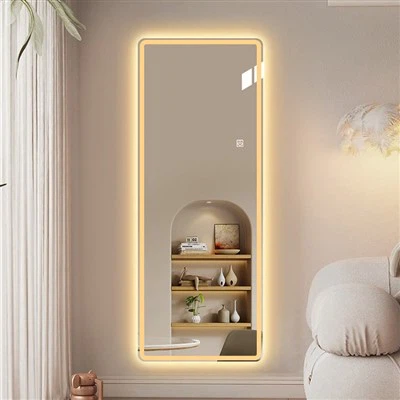
Smoked glass - the dark, grey-tinted glass that softens reflections and adds depth to a room - has been in and out of style for well over a century. It first appeared in the early 1900s, became a signature material of mid-century modern design in the 1950s and 60s, fell out of favor in the bright white 90s and 2000s, and has roared back over the last decade as restaurants, bars and luxury homes embrace dark, layered interiors. Today, antique smoked glass mirror - a version that combines the grey tint with a distressed, aged patina - is one of the most specified decorative mirror products in hospitality design. Here's how it got popular, why it's back, and where it's being used now.
A Brief History of Smoked Glass
Mid-Century Origins
Smoked glass as a material dates back to the early 20th century, when glassmakers began adding iron and other oxides to the melt to produce darker, grey-tinted glass. It was used in storefronts, automotive windows and architectural glazing where darker glass helped control glare. But it wasn't until the 1950s and 60s that smoked glass became a design statement. Mid-century modern designers - think George Nelson, Eero Saarinen, and the whole California school - loved it because it added a sophisticated, slightly mysterious layer to glass furniture, room dividers and tabletops. Smoked glass shelves, coffee tables and cabinet doors became hallmarks of that era.
By the 1970s, smoked glass was everywhere - bar carts, dining tables, shower enclosures, even smoked glass tabletops in restaurants. It paired naturally with walnut, teak and brass, which were the materials of the period. Then came the 1980s and 90s, when bright, glossy finishes and all-white interiors pushed dark glass out of fashion for a couple of decades.
The Vintage Revival
Smoked glass started making a comeback in the early 2010s, as hospitality designers began looking for materials that added warmth and texture rather than the flat, minimal look that had dominated. Antique smoked glass mirror - which takes the grey tint and adds a distressed, mottled patina - became the material of choice for dark, atmospheric bars, restaurants and hotel lobbies. It's not just the mid-century revival; it's a new interpretation that combines the smoked grey color with the aged, antique mirror texture.
Related Post: "What is antique mirror glass? Types and Applications"

What Is Smoked Glass Mirror Today?
Modern smoked glass mirror is made by applying a grey-tinted backing or coating to mirror glass, combined with an antiquing process that creates the mottled, aged patina. The result isn't a flat grey mirror - it's a surface with varying depths of reflectivity, from darker smoked areas to lighter, almost silver patches, all in a grey tonal range.
Antique Smoked Glass Mirror is different from standard antique mirror. Standard antique mirror has silver-gray mottling; smoked versions shift the entire tonal range toward charcoal, smoke grey and dark taupe. It's darker, moodier, and reads as more contemporary than a classic silver antique mirror. Smoked wall mirror panels are commonly used as feature walls, behind bars, in elevator lobbies and on closet doors. Smoked grey all glass mirror refers to panels where the grey tint runs through the whole assembly rather than just being a surface treatment.
| Style | Tone | Vibe |
|---|---|---|
| Silver antique mirror | Silver-grey mottling | Vintage, classic |
| Bronze antique mirror | Warm bronze tones | Warm, hotel-like |
| Smoked glass mirror | Charcoal, smoke grey | Modern, moody, dark |
| Gold Vein mirror | Gold veins on warm base | Luxury, warm metallic |
Related Post: "What Are The Different Types Of Decorative Mirror? A Complete Guide"
Why Smoked Glass Mirror Is Having a Moment
The current popularity of smoked glass mirror ties directly to a shift in interior design.  For the last decade, restaurants, bars and boutique hotels have been moving away from bright, sterile white spaces toward darker, more atmospheric rooms. The all-white cafe and the minimalist white-tile restaurant had their moment, but guests now seem to want something that feels more like a destination - a room with mood, depth and a bit of drama. A dark, smoked mirror wall behind a bar catches bottle light in patches, adds depth, and makes the space feel intimate rather than clinical. It also pairs beautifully with the materials that are popular right now - dark wood, brass, leather, concrete and stone. Where a bright silver mirror would bounce light around like a gym, a smoked mirror holds the light and lets it glow.
Another reason is that smoked mirror is more practical than people think. Because it's darker, it hides fingerprints, smudges and everyday wear better than a bright silver mirror. In a busy restaurant or bar, that's a real maintenance advantage - a back wall covered in bright mirror starts looking spotted and dull within weeks, while a smoked patina ages gracefully and keeps looking intentional. It also doesn't reflect the room as sharply, which means a large mirror wall doesn't feel like you're doubling the space. Instead of seeing the whole restaurant reflected back at you, you see soft patches of light and texture, which is exactly what designers want.
There's also a media angle. Dark, atmospheric interiors photograph beautifully - the moody bar, the dim restaurant corner, the hotel lobby at dusk. Designers specifying smoked mirror know that their projects will look good on social media, and that alone has driven a lot of its recent popularity.
Related Post: "Is There Glass That Doesn't Reflect? Non Reflective Tempered Glass"
Where Antique Smoked Glass Mirror Is Used
The most common application is behind bars and as feature walls in restaurants. A smoked mirror back bar catches the glow of liquor bottles and pendant lights, making the display look rich and layered instead of like a standard shelf. Cocktail bars, steakhouses and wine rooms are the biggest users - the dark grey patina works with amber spirits, warm lighting and dark wood paneling without competing with the bottles themselves. Boutique hotels use it in lobbies, hallways and elevator cabs, where it adds a sense of drama without being flashy. Elevator interiors in particular are a natural fit: a small enclosed space feels larger and more luxurious when one wall is a smoked mirror rather than a painted surface.
Retail stores - especially fashion, jewelry and fragrance brands - use smoked mirror displays because it makes products look curated rather than spotlighted. A jewelry display case lined with bright mirror can feel clinical; the same case lined with smoked glass feels intimate and premium. Showrooms, boutique fitting rooms and luxury brand windows all specify it for the same reason.
In residential projects, smoked wall mirror is showing up in walk-in closets, behind TV walls, on fireplace surrounds and even as closet doors. Homeowners who want a dark, modern master bedroom often choose a smoked mirror accent wall instead of a standard mirror because it adds texture without overwhelming the room. It's popular in bathrooms too, where a dark smoked mirror adds a spa-like, modern feel compared to a standard bright mirror. In powder rooms with dark stone walls and brass fixtures, a smoked mirror ties the whole palette together. Because the patina is on the back of the glass, the front surface stays smooth and easy to clean.
Related Post: "China's Leading Glass Manufacturers (Updated 2026)"
Luck Glass: Your Antique Smoked Glass Mirror Manufacturer
Luck Glass is a professional commercial glass manufacturer producing a full range of antique mirror glass products, including Antique Smoked Glass Mirror, Gold Vein Mirror Glass, silver antique mirror, bronze antique mirror, decorative mirror panels and custom aged mirror solutions. The company works as antique mirror glass suppliers and vintage mirror manufacturers for interior designers, contractors, hotel groups and distributors worldwide, with in-house antiquing, tinting, cutting, edge finishing and backing capability.
Luck Glass offers smoked wall mirror and smoked grey all glass mirror in a range of patina densities, panel sizes and thicknesses, with customizable cutting, polished edges and installation support. Whether you're specifying antique smoked glass mirror for a bar back wall, sourcing smoked mirror panels for a hotel lobby, or looking for antique mirror wholesale for a retail project, Luck Glass delivers consistent patina matching, reliable lead times and technical support from sampling through installation.
Frequently Asked Questions
Q: When was smoked glass first popular?
A: Smoked glass became popular as a design material in the 1950s and 60s, during the mid-century modern era, used in furniture, room dividers and tabletops. It had another wave in the 1970s and has been making a strong comeback since the early 2010s.
Q: What is smoked glass mirror?
A: It's a mirror panel with a grey-tinted backing combined with an antiquing process that creates a mottled, aged patina in charcoal and smoke grey tones. It's darker and moodier than standard silver antique mirror.
Q: Where is smoked glass mirror commonly used?
A: Behind bars, restaurant feature walls, hotel lobbies, elevator interiors, retail displays, walk-in closets and modern bathrooms.
Q: Is smoked glass mirror hard to maintain?
A: Actually, it hides fingerprints and smudges better than bright silver mirror because the darker surface doesn't show everyday marks as clearly. The front is smooth glass, so it cleans the same way as any mirror.
Q: Can smoked mirror be cut to size?
A: Yes. Most vintage mirror manufacturers supply custom sizes and edge finishes for wall panels, bar backs and furniture applications.
Final Thoughts
Smoked glass has been around for over a century, but its current popularity is more than a nostalgia trip. Designers aren't reviving mid-century smoked glass tables - they're using antique smoked glass mirror as a wall material, a surface that adds depth, texture and mood to interiors. The grey tones work with the dark, layered palettes that hospitality and residential design keep gravitating toward, and the distressed patina keeps it from feeling cold or clinical. Whether it's behind a bar, in a lobby or on a closet wall, smoked mirror does what good decorative materials do: it adds something you can't quite point to, but the room feels better for it.
Related Post: "What Is It Called When A Mirror Is Antique?"