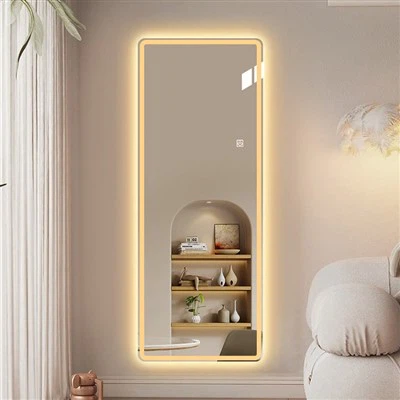
Single-sided anti-reflection glass and double-sided anti-reflection glass are the two main types of anti-reflection glass. Anti-reflective glass is widely used in construction, optical equipment, displays, museum display cases and other fields. Although both are anti-reflective glass, there are still differences in some aspects. Their differences are mainly reflected in the structure, manufacturing process, optical effect, application field. The following will explain the differences and characteristics of single-sided and double-sided anti-reflection glass from multiple angles.
What exactly is anti-reflective glass?
Anti-reflective glass is a type of glass with a specially treated surface. It can reduce or eliminate the reflection of light, thereby increasing the transmittance of the glass. Anti-reflective glass and ordinary glass, can receive the incident light. But the difference is that ordinary glass will reflect most of the light, easy to cause glare effect. Anti-reflective glass allows most of the light to pass through, making the image clearer. This effect depends on the anti-reflective coating on the surface of the anti-reflective glass. According to its coating position and treatment method, anti-reflection glass can be divided into single-sided anti-reflection glass and double-sided anti-reflection glass.

Single-sided anti-reflective glass
Definition and structure
Single-sided anti-reflection glass is an anti-reflection treatment on one side of the glass. So that it can reduce the reflection of one side, the other side to maintain the characteristics of ordinary glass. Therefore, single-sided anti-reflective glass only needs to add one or more layers of anti-reflective coating on one side of the glass. In this way, the effect of single-sided anti-reflection can be achieved.
Manufacturing process
The production process of single-sided anti-reflection glass is relatively simple. Usually using sputtering or vacuum evaporation technology, the anti-reflective coating is attached to one side of the glass. The coating material can be silica, titanium oxide and other materials. According to customer needs, different materials can be selected to determine the optical effect. To achieve a good anti-reflection effect can be changed by adjusting the number of film layers and thickness.
advantage
Lower cost: Because only one side of the anti-reflection treatment, compared to double-sided anti-reflection glass cost is lower.
A wide range of application scenarios: single-sided anti-reflective glass has a wide range of applications in museum display cases, photo frame lenses, electronic screens and other fields. However, when the light enters the inside of the glass, the single-sided anti-reflective glass can effectively avoid reflection. Improved user experience.
shortcoming
Limited reflection control: single-sided anti-reflection glass only suppresses reflection on one side. Therefore, this kind of glass is suitable for occasions where the light line is incident from a single direction.
Prone to backlight reflections: If there is a multi-directional light source or strong backlight in the environment, the untreated side may produce reflections. This will affect the visual effect.
The anti-reflection effect is not good: because only one side of the single-sided anti-reflection glass has an anti-reflection effect. If the effect of light irradiation is not good, single-sided anti-reflective glass is like ordinary glass. In this way, the anti-reflection glass loses the anti-reflection effect, which is not as good as the double-sided anti-reflection glass.
Application field
Display cases and frames: Anti-reflective glass is often used as a glass cover to display artwork, photographs or exhibits. It can effectively reduce the reflection on the side of the viewing surface and make the display clearer.
Electronic display protection: Many electronic devices such as tablets, mobile phones and other screens can also use single-sided anti-reflection glass. Like ordinary glass application will produce glare effect, easy to affect the user experience. However, the application of single-sided anti-reflective glass reduces surface glare, enhances the viewing experience, and makes the picture clearer.

Double-sided anti-reflection glass
Definition and structure
Double-sided anti-reflection glass is also easy to understand, that is, anti-reflection treatment is carried out on both sides of the glass. In this way, no matter at which Angle, any incident light can pass through the glass, and the reflective effect can always be kept low. It is covered with an anti-reflective coating, which can greatly reduce the reflection of the glass at different angles.
Manufacturing process
The production of double-sided anti-reflection glass requires a more sophisticated process. Usually one side is treated with an anti-reflective coating, and the other side is treated with the same treatment after drying. Both processes require precise control and need to ensure that the reflectivity of both sides is consistent. The precision of this production process is high, and the process is relatively complex, so the manufacturing cost is relatively high. Relatively speaking, the manufacture of single-sided anti-reflective glass will be more.
advantage
Good reflection suppression effect: double-sided coating can greatly reduce the reflectivity of light, especially suitable for the need for two-way light transmission.
Clearer visual experience: In the case of strong light or multi-directional light, double-sided anti-reflection glass reduces the reflection effect better. Both sides can provide a clearer, more transparent visual effect.
shortcoming
Higher cost: anti-reflection treatment is required on both sides of the glass. The material used is twice as much as single-sided anti-reflective glass. Therefore, the manufacturing cost of double-sided anti-reflection glass is significantly higher than that of single-sided anti-reflection glass.
Susceptible to environmental impact: Although the double-sided coating increases the light transmittance of the glass, it also increases the impact of debris and fingerprints in the environment. Therefore, double-sided anti-reflection glass has higher requirements for installation and cleaning the environment.
Application field
Exhibition display: Double-sided anti-reflective glass is especially suitable for use in museums, galleries and other exhibition occasions. It ensures a clear presentation of the exhibits. This application is the same as single-sided anti-reflection glass, but in contrast, single-sided anti-reflection glass is actually more cost-effective.
Windows and curtain walls: Double-sided anti-reflective glass can be used for building exterior Windows and curtain walls. It can not only reduce the impact of reflected light on the environment, but also provide good permeability and lighting effects.
Optical instruments and precision equipment: Many optical instruments, such as microscopes, astronomical telescopes, such as the lens can be used double-sided anti-reflection glass. The application of anti-reflective glass can present good optical effects and also provide more accurate observation results.

Comparative analysis of single-sided and double-sided anti-reflection glass
Optical effect
· Single-sided anti-reflection glass only has anti-reflection function on one side, while the other side will have the reflection effect of ordinary glass. Therefore, in terms of optical effects, single-sided anti-reflective glass is only suitable for the case of light incident from a single direction.
· Double-sided anti-reflection glass has anti-reflection function on both sides, which can comprehensively inhibit the reflective effect. At any incidence Angle, the double-sided anti-reflection glass can show good optical clarity and low reflectivity.
cost
The cost of single-sided anti-reflection glass is necessarily lower than double-sided anti-reflection glass. The production process of double-sided anti-reflection glass is more complex, and the materials used are also more. Therefore, the cost of double-sided anti-reflection glass is higher.
Application situation
· Single-sided anti-reflective glass is suitable for viewing only one side fixed display occasions, such as picture frames, display cabinets, electronic screens, etc.
· Double-sided anti-reflection glass because of the comprehensiveness of reflection, it is more suitable for multi-directional light or two-way visual occasions. Such as building curtain walls, display Windows and so on are its application areas.
How to choose the right anti-reflection glass
The choice of single-sided anti-reflection glass or double-sided anti-reflection glass is good, which is a problem to think about. The specific situation needs to be selected according to the actual application requirements and cost budget.
Display, picture frame, display cabinet: It is recommended to use single-side anti-reflection glass. You can not only appreciate the details of the exhibits, but also save costs.
Museum, exhibition display: double-sided anti-reflection glass is better in this kind of occasion. Truly achieved 360° no reflection effect.
Building Windows and curtain walls: double-sided anti-reflective glass is recommended for building Windows and curtain walls. It reduces sunlight reflection in the exterior of the building and improves the visual experience. The phenomenon of urban light pollution is reduced.
High-end optical equipment: If you need high transmittance and multi-angle low reflection, choose double-sided anti-reflection glass. Double-sided anti-reflection glass can provide better optical properties than single-sided anti-reflection glass.
Future development and trend
With the continuous development and progress of technology, single-sided and double-sided anti-reflection glass has been continuously innovated in the production process:

Application of new coating materials: such as low-temperature plasma technology, ultra-hard coating, etc. These technical applications can enhance the anti-reflection effect and improve the wear resistance of the glass.
Green technology: In the pursuit of sustainable development in the environment, the use of more environmentally friendly coating materials and production processes is a new direction. This can reduce air pollution and energy consumption.
Intelligence and customization: The future is full of possibilities. Perhaps in the near future, anti-reflective glass factories will be able to produce intelligent anti-reflective glass that can automatically adjust according to the environment. This will greatly improve people's living standards and meet more needs.
Through the explanation of single-sided and double-sided anti-reflection glass, I believe you also have a simple understanding of these two kinds of anti-reflection glass. They all have their own characteristics. Hopefully, after you read this article, you will be able to choose a more suitable glass according to different applications and optical needs.