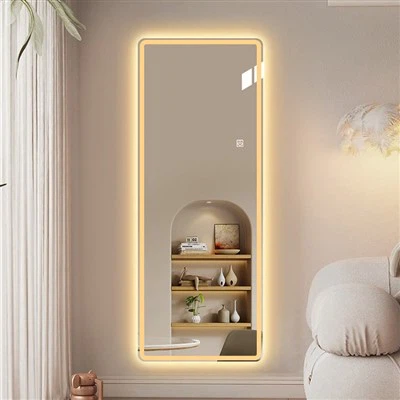
Yes, silver mirrors remain in style because their neutral appearance, clean reflections, and versatility work across both classic and contemporary interiors. From minimalist bathrooms and hotel lobbies to retail displays and decorative wall panels, silver mirrors complement a wide range of materials, colors, and architectural styles. Unlike more strongly tinted mirrors, they can create a bright, understated finish without competing with other design elements.
For architects, interior designers, contractors, and commercial project buyers, the appeal goes beyond appearance. A silver mirror can serve as a functional reflective surface, a decorative feature, or part of a coordinated interior design scheme. Luck Glass offers Silver Colour Mirror for projects where a familiar mirror finish and flexible design possibilities are important considerations.
Why Are Silver Mirrors Still Popular?
Silver mirrors have remained a design staple because they balance visual simplicity with practical versatility. Their reflective surface can help distribute available light, create a sense of depth, and complement many interior finishes.
1. A Timeless, Neutral Appearance
Silver works naturally with white, black, grey, beige, wood, stone, and metal finishes. This makes it suitable for projects where designers want a reflective surface that fits the overall interior rather than becoming the dominant color feature.
In residential settings, silver mirrors can complement wardrobes, dressing areas, bathrooms, and entryways. In commercial interiors, they can provide a consistent finish across hotel rooms, office facilities, retail spaces, and public areas.

2. Compatibility With Different Design Styles
Silver mirrors are not limited to traditional or luxury interiors. Their appearance can be adapted to different styles through the choice of shape, frame, edge treatment, surrounding materials, and installation method.
| Interior style | How silver mirrors can be used |
|---|---|
| Minimalist | Frameless mirrors with clean edges and simple geometry |
| Contemporary | Large mirror panels paired with stone, glass, or metal |
| Traditional | Framed mirrors with decorative profiles and classic furniture |
| Industrial | Silver mirrors combined with dark metal, concrete, and exposed finishes |
| Hospitality | Decorative mirror panels in reception areas, corridors, and guest spaces |
| Retail | Reflective surfaces that complement display fixtures and product presentation |
The same mirror finish can therefore support different design directions without requiring a strongly colored reflective surface.
Discuss your project requirements with our team
3. A Bright, Open Visual Effect
Mirrors reflect light and surrounding objects, which can make a room feel brighter or visually more spacious when positioned appropriately. Silver mirrors are often chosen for this purpose because their neutral appearance works with a broad range of lighting conditions and interior palettes.
The final effect depends on the size and position of the mirror, the amount of available light, and what appears in its reflection. A mirror facing a window may reflect daylight, while one positioned opposite decorative lighting can introduce additional visual depth.
Silver Mirrors vs. Colored Mirrors: Which Is Better?
Silver mirrors and colored mirrors serve different design purposes. Neither is universally better; the appropriate choice depends on the project's visual objectives, surrounding finishes, and desired atmosphere.
Silver mirrors are generally suitable when the design calls for a familiar reflective appearance. Colored mirrors are useful when the reflective surface itself is intended to contribute a distinctive hue.
| Consideration | Silver Colour Mirror | Colored mirror |
|---|---|---|
| Visual character | Neutral and familiar | More distinctive and decorative |
| Design flexibility | Works with many color palettes | Best when the tint complements the design scheme |
| Typical design role | Functional reflection or understated decoration | Accent surfaces and feature elements |
| Common applications | Bathrooms, wardrobes, hotels, retail interiors | Decorative walls, furniture accents, boutiques, feature panels |
| Coordination | Easy to pair with many materials | Requires more deliberate color coordination |
The term colored glass mirror can be useful when researching tinted reflective products, but specifications should be checked carefully. A colored mirror is not necessarily the same as colored glass without a mirror coating. Buyers should confirm the actual product construction and intended application with the supplier.
Related Post: "The Difference Between A Mirror And Glass"

Where Can Silver Mirrors Be Used?
Silver mirrors can be incorporated into a wide range of interior applications. The most successful installations consider not only the appearance of the mirror but also its dimensions, support, fixing method, environment, and maintenance requirements.
Bathrooms and Vanity Areas
Silver mirrors are a familiar choice for bathroom vanities, washbasins, and grooming areas. Their neutral finish works with white sanitaryware, stone countertops, chrome fittings, and many cabinet finishes. For commercial bathrooms, including those in hotels, offices, and hospitality venues, project teams should verify that the mirror's backing, edge treatment, and installation system are suitable for the intended environment. Appropriate ventilation, compatible adhesives, and protection against prolonged moisture exposure are also important.
Hotel Lobbies and Guest Rooms
In hospitality interiors, mirrors can support a refined appearance while helping connect different elements of the design. Large wall mirrors, decorative framed mirrors, and mirror panels integrated into furniture can all be considered. A silver finish is particularly useful when the project already includes statement materials such as marble, brass, dark timber, or patterned wall coverings. It provides reflection without introducing another strong color.
Retail Stores and Showrooms
Retail designers use mirrors in fitting areas, display zones, and selected decorative features. In fashion and lifestyle stores, silver mirrors can complement product displays without introducing a strong tint that might compete with merchandise. For larger installations, buyers should evaluate panel dimensions, edge finishing, joint alignment, handling requirements, and replacement planning. These details can affect the consistency and long-term appearance of the finished installation.
Living Rooms and Decorative Walls
Silver mirrors can be used above consoles, fireplaces, sideboards, or other furniture. Multiple mirror panels can also be arranged into geometric patterns to create a decorative feature wall. Designers can adjust the result through panel shapes, bevelled edges, framing, and layout. A simple rectangular mirror can provide a restrained look, while a carefully arranged group of panels can become a more prominent decorative element.
Related Post: "Five Types Of Decorative Glass"
Commercial Furniture and Interior Fit-Outs
Mirror glass may also be incorporated into cabinet doors, decorative furniture panels, shelving details, and selected fitted interiors. The mirror's thickness, dimensions, edgework, support, and fixing system should be matched to the specific application. Where the mirror is installed in a location exposed to impact or other safety risks, the project team should assess the applicable safety requirements and determine whether additional protective measures or a different glass specification are necessary.

How to Choose the Right Silver Mirror for a Project
For professional buyers, selecting a mirror involves more than choosing a reflective finish. The product must meet the project's design, fabrication, installation, and operational requirements.
Confirm Dimensions and Thickness
Start with the finished panel dimensions and the available installation space. Larger panels may require additional planning for transportation, access, lifting, and support. Thickness should be selected according to the panel size, mounting method, and intended use. There is no single thickness suitable for every mirror installation, so confirm the specification with the fabricator or supplier.
Review Edge Processing and Fabrication
Edge quality has a significant influence on the finished appearance, especially for frameless mirrors and installations where the edges remain visible. Depending on the design, processing may include polished edges, bevelled edges, cut-outs, drilled holes, or other specified fabrication. These requirements should be agreed upon before production, with drawings and tolerances confirmed for project orders.
Consider the Installation Environment
A mirror used in a dry decorative setting may have different requirements from one installed in a bathroom or another humid environment. Before ordering, confirm the suitability of the mirror backing, protective measures, adhesives, mounting hardware, and substrate. Installation instructions should follow the manufacturer's guidance and relevant local requirements.
Check Color and Appearance Consistency
For projects requiring multiple panels, sample approval is useful for confirming the intended appearance. Buyers should discuss acceptable visual variation, dimensions, edge processing, packaging, and inspection criteria with the supplier. This is particularly relevant when several mirror panels will be installed next to one another, where differences in appearance or alignment may become more noticeable.
Related Post: "What Is The Color Mirror? Types, Uses & Design Guide"
Silver Colour Mirror Solutions from Luck Glass
Luck Glass supports buyers evaluating mirror glass for decorative and architectural applications. When planning a project with Silver Colour Mirror, buyers can discuss the intended application, panel dimensions, thickness, edge processing, and other requirements before confirming the order. For projects that combine neutral mirror surfaces with colored decorative elements, it is useful to review the complete material scheme early in the design process. Samples, technical specifications, and fabrication drawings can help project teams align the intended appearance with manufacturing and installation requirements.
Whether the project involves furniture components, decorative wall panels, retail interiors, or hospitality spaces, the appropriate product specification should be based on the actual application rather than appearance alone.
Frequently Asked Questions
Are silver mirrors outdated?
No. Silver mirrors remain a versatile choice for contemporary and traditional interiors. Their neutral appearance allows them to work with changing furniture styles, color palettes, and architectural finishes.
Are silver mirrors suitable for commercial interiors?
Yes, they can be used in applications such as hotel rooms, retail displays, office interiors, vanity areas, and decorative walls. The mirror specification and installation method should be suitable for the project's environment and safety requirements.
What is the difference between a silver mirror and a colored mirror?
A silver mirror typically provides a neutral reflective appearance, while a colored mirror introduces a more distinctive tint. The exact construction and reflective coating should be confirmed from the product specification.
How can I maintain the appearance of a silver mirror?
Use a soft, lint-free cloth and a cleaning product suitable for mirror surfaces. Avoid abrasive materials and prevent cleaning liquid from accumulating along the edges or contacting the backing. Follow the manufacturer's maintenance guidance.
How should I choose a supplier for Silver Colour Mirror?
Review the product specifications, fabrication options, quality-control procedures, packaging arrangements, and communication process. For project orders, confirm drawings, samples, tolerances, and delivery requirements before production begins.
Final Thoughts
Silver mirrors remain in style because they offer a neutral reflective finish that can complement a wide variety of interiors. Their value lies in their adaptability: they can function as everyday mirrors, support commercial fit-outs, or contribute to decorative compositions without overpowering the surrounding design.
For architects, designers, contractors, and distributors, the best results come from combining a suitable mirror finish with careful specification, fabrication planning, and installation.
Related Post: "The Use Of Colored Mirrors"