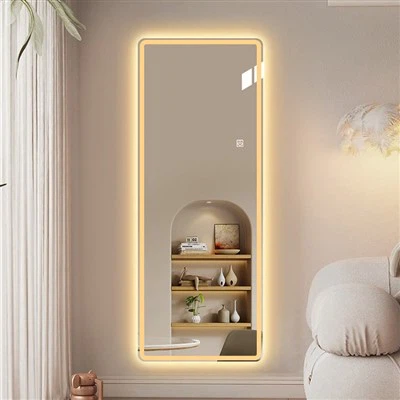
Mirrors in 2026 are increasingly being used as decorative design materials rather than simply functional reflective surfaces. Interior designers are exploring colored mirror glass, distinctive metallic tones, larger mirror panels, and creative applications that combine reflection with architectural finishes. These approaches allow mirrors to contribute to a room's color palette, visual depth, and overall character.
One option attracting attention in decorative interior design is the Yellow Glass Mirror. Its warm, distinctive tone can introduce a focal point into contemporary interiors, retail displays, hospitality spaces, and custom furniture. When coordinated with neutral materials, natural wood, metal accents, or stone, a yellow mirror can add color without requiring extensive changes to the surrounding design.
For architects, interior designers, contractors, and commercial project buyers, understanding mirror design directions in 2026 helps inform material selection for residential and commercial projects. The most suitable choice depends on the intended atmosphere, the mirror's technical properties, and how it will be integrated into the finished space.
1. Colored Mirror Glass for More Expressive Interiors
One of the key design directions to consider in 2026 is the use of color to give  mirrors a stronger decorative role. Rather than relying exclusively on conventional silver mirrors, designers can explore colored finishes that complement or contrast with the surrounding interior materials.
Colored mirror glass can create a coordinated design feature, reinforce a particular color scheme, or introduce a visual accent into an otherwise restrained space.
Common options include:
Yellow and gold tones: Add warmth and create a distinctive decorative focal point.
Bronze tones: Complement wood, warm neutrals, and brass details.
Gray tones: Suit minimalist, contemporary, and monochromatic interiors.
Blue tones: Introduce a cool accent into modern residential or commercial spaces.
Green tones: Work with natural materials and botanical-inspired palettes.
Rose tones: Provide a softer color accent for selected retail, hospitality, and residential applications.
The best choice depends on the project's overall design rather than a single trend. A subtle gray mirror may be appropriate for a restrained office interior, while a yellow mirror may be better suited to a feature panel or decorative display where a more noticeable color is desired.
For commercial projects, designers should evaluate actual samples under the intended lighting conditions. A mirror's color and reflection can look different depending on surrounding materials, daylight, artificial lighting, and viewing angle.
Related Post: "What Are The Different Types Of Colored Glass?"
2. Yellow Glass Mirror as a Distinctive Design Feature
Yellow glass mirror offers a way to introduce a warm, noticeable color into an interior. Depending on the product's shade and reflective characteristics, it can appear subtle and golden or create a more vibrant decorative statement.
For designers looking beyond conventional mirror finishes, yellow mirror glass can be considered for feature walls, furniture details, display areas, and selected architectural interiors.
Where Can Yellow Glass Mirror Be Used?
Retail stores and showrooms: Yellow mirror panels can help create a recognizable display feature, especially when coordinated with the brand's visual identity, lighting, and surrounding finishes.
Hotels and restaurants: A yellow mirror can add warmth to reception areas, bar backgrounds, decorative wall panels, and selected hospitality interiors.
Residential interiors: Smaller mirror panels can introduce color into living rooms, dressing areas, wardrobes, and decorative furniture.
Commercial reception areas: A carefully positioned yellow mirror can provide a visual focal point behind a reception desk or within a decorative wall composition.
Custom furniture: Yellow mirror glass can be incorporated into cabinet fronts, display units, and furniture details when the product's specifications are suitable for the required fabrication.
The key is to use the material intentionally. In some interiors, a small yellow mirror panel may provide sufficient contrast. In larger installations, designers should consider how the color interacts with the floor, wall finishes, lighting, and other reflective surfaces.
3. Larger Mirror Panels and Architectural Applications
Another design direction worth considering in 2026 is the use of larger mirror panels to create more continuous visual surfaces. Instead of treating mirrors as individual decorative objects, designers can integrate them into wall compositions, cabinetry, and architectural interiors.
Larger panels may help visually expand a space and reflect available light. They can also create a clean backdrop for furniture, lighting, and decorative elements.
Potential applications include:
· Full-height decorative walls in hotels and offices.
· Mirror panels integrated into wardrobes and cabinetry.
· Feature walls in retail stores and showrooms.
· Decorative panels in restaurants and hospitality interiors.
· Coordinated mirror sections in contemporary residential spaces.
Colored mirror glass can extend this approach beyond conventional silver finishes. For example, a yellow mirror panel can introduce a warm accent, while gray or bronze tones may create a more understated effect.
However, panel dimensions must be coordinated with transportation, installation, support requirements, and the relevant safety specifications. Large-format applications should be reviewed with the supplier and installation team before the design is finalized.
Related Post: "Colored Mirrors: The Magic Of Lighting Up Space"

4. Combining Mirrors with Other Interior Materials
Mirror design is also closely connected to material coordination. Rather than using reflective surfaces in isolation, designers can combine them with wood, stone, metal, glass, and textured finishes to create contrast.
Colored mirrors are particularly useful when the color itself becomes part of the material palette.
| Material combination | Possible mirror choice | Design direction |
|---|---|---|
| Natural wood and brass | Yellow or bronze mirror | Warm and sophisticated |
| Concrete-look finishes and black metal | Gray mirror | Contemporary and understated |
| Light stone and neutral upholstery | Bronze or soft-toned mirror | Balanced and refined |
| Dark cabinetry and metallic accents | Yellow or gold-toned mirror | High contrast and decorative |
| Natural stone and green accents | Green mirror | Organic and contemporary |
These combinations are design suggestions rather than fixed rules. The final effect depends on the exact shade, finish, lighting, and proportions of each material.
For commercial interiors, it is useful to review a coordinated sample board before approving the final material selection. This allows designers and project teams to assess how the mirror works with the other finishes in the actual scheme.
Discuss your project requirements with our team
5. Decorative Mirrors with a Stronger Visual Identity
Mirrors can contribute more than reflection. In contemporary interior projects, the choice of color, surface treatment, panel arrangement, and surrounding materials can make a mirror part of the space's visual identity.
Color is one way to achieve this effect. A yellow mirror may create a bold accent, while a darker colored mirror can provide contrast without dominating the entire room. Patterned and aged finishes offer other possibilities for projects seeking a more distinctive surface.
For retail and hospitality businesses, these decorative choices can support the intended atmosphere of the space. In offices and residential projects, they can help distinguish a feature area from more neutral surroundings.
When specifying decorative mirrors, designers should also consider maintenance, fingerprints, cleaning requirements, visibility of surface marks, and the degree of reflection needed. A visually striking finish should still be appropriate for the location where it will be installed.
Related Post: "What Color Mirror Is Suitable For A White Dresser?"

6. How to Select the Right Mirror Color for a Project
The most appropriate mirror color is the one that meets the project's design and functional requirements. Before choosing a product, consider the following factors.
Match the Color to the Interior Palette
Start with the permanent finishes, including floors, walls, cabinetry, and architectural metalwork. Decide whether the mirror should blend into the palette or provide contrast. Yellow Glass Mirror may be worth considering when the design calls for a warm, distinctive accent. For more restrained schemes, bronze or gray may be more appropriate.
Evaluate the Actual Reflective Effect
A colored mirror can influence the appearance of reflected objects and light. Request a physical sample when possible and evaluate it under lighting conditions similar to those of the finished project. Do not rely exclusively on digital product images, as screen settings and photography can affect the perceived color.
Confirm Technical Specifications
Before ordering, confirm the glass thickness, available dimensions, edge treatment, processing options, backing protection, and installation requirements. The specifications must match the intended use. If the mirror will be installed in a public area, a large wall, or another application with particular safety requirements, verify that the selected product and installation system are appropriate.
Plan for Multiple Panels
Projects using several panels need clear expectations for color consistency, pattern appearance, dimensions, and alignment. Discuss sample approval and quality inspection with the supplier before production. Providing drawings and a consolidated specification list can help reduce uncertainty during manufacturing and installation.
7. What Commercial Buyers Should Look for in Suppliers
For architects, contractors, distributors, and project procurement teams, selecting a suitable supplier is an important part of the mirror specification process.
When evaluating colored glass suppliers, consider the breadth of the available product range, technical support, sample availability, fabrication capabilities, and ability to communicate product limitations clearly.
For projects that require tinted or decorative glass in multiple sizes, colored glass sheets manufacturers should be able to clarify which specifications and processing options are available for the chosen product. Buyers should confirm details directly rather than assume that every color is available in every thickness or dimension.
When assessing commercial glass manufacturers, useful questions include:
· What colors and mirror specifications are available?
· Can the supplier provide samples for design approval?
· Which cutting, edge-finishing, and fabrication options are supported?
· What quality-control procedures are used for finished panels?
· How are panels packaged and protected during transportation?
· What technical information is available for the intended installation?
Similarly, commercial glass suppliers should be able to explain their product specifications and supply arrangements clearly. Buyers should confirm lead times, order quantities, packaging requirements, and delivery details for the specific project.
A reliable glass panel supplier can help coordinate product dimensions and fabrication requirements with project drawings. This is particularly useful for commercial installations involving multiple panels, repeated components, or customized layouts.
Related Post: "How Colored Glass Works"
8. Yellow Glass Mirror from Luck Glass
For projects exploring colored mirror finishes, Luck Glass offers a point of contact for discussing decorative glass requirements and available product options.
Yellow Glass Mirror can be considered for applications where a warm, distinctive reflective surface supports the interior design concept. Depending on the selected product specification, potential uses may include decorative wall panels, furniture elements, retail displays, and hospitality interiors.
When discussing a project with Luck Glass, provide the intended application, preferred color, panel dimensions, required processing, and installation details. These details help establish which available specifications may be suitable.
For larger commercial projects, buyers should also clarify sample approval, acceptable color variation, packaging, and inspection requirements before production. Confirming these points in advance helps align the selected material with the approved design and the practical needs of installation.
The final product should always be evaluated against its actual specifications. Availability, processing capabilities, and suitability for a particular application should be confirmed with the supplier.
Frequently Asked Questions
1. What are the mirror trends in 2026?
Design directions worth exploring include colored mirror finishes, larger architectural mirror panels, decorative applications, and combinations of mirrors with wood, stone, and metal. The appropriate choice depends on the project's design objectives and functional needs.
2. What is yellow glass mirror used for?
Yellow glass mirror can be considered for feature walls, retail displays, reception areas, hospitality interiors, and decorative furniture. Its suitability depends on the product specification and installation requirements.
3. How does colored mirror glass differ from a regular mirror?
Colored mirror glass has a distinctive tint that affects its appearance and the color of reflected light. Conventional silver mirrors generally provide a more neutral reflective effect.
4. How should I choose a colored mirror supplier?
Review product specifications, samples, fabrication options, quality-control procedures, packaging, and technical support. Confirm that the selected mirror is suitable for the intended application.
5. Can yellow mirror glass be used in commercial interiors?
It can be considered for many decorative commercial applications, including retail, hospitality, and reception areas. The glass specification, mounting system, and safety requirements should be confirmed for the intended installation.
Final Thoughts
Mirror design in 2026 offers opportunities to use reflective materials more creatively through color, panel arrangement, and coordination with other interior finishes. Colored mirrors can contribute to both the function and visual identity of residential and commercial spaces.
Yellow Glass Mirror is one option for projects seeking a distinctive warm-toned finish. By comparing actual samples, checking technical specifications, and working with a suitable supplier, designers and project buyers can make more informed material decisions.
Related Post: "The Use Of Colored Mirrors"