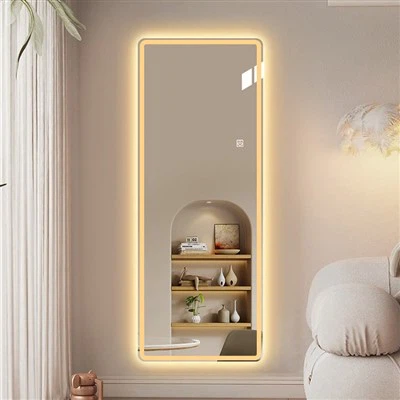
Yes, you can see through some types of tinted glass, but not all. Visibility depends on the glass construction, tint, light transmission, and lighting conditions. Transparent tinted glass allows some light to pass through, although objects on the other side may appear darker or take on a color cast. A tinted mirror, however, is designed primarily to reflect images rather than provide a clear view through the glass.
For architects, interior designers, contractors, and commercial buyers, distinguishing between tinted glass and tinted mirror glass is essential when selecting materials for a project. An Orange Tinted Mirror, for example, is primarily a decorative reflective surface that introduces a warm color accent into an interior. It should not be specified as a transparent viewing panel unless its construction and optical properties explicitly support that function.
Can You See Through Tinted Glass?
Whether tinted glass allows visibility depends on the type of product and the conditions in which it is used.
Transparent Tinted Glass
Transparent tinted glass is designed to transmit light while introducing a color tint. Depending on its specification, it may allow people to see objects through the glass, but the view can appear darker or differently colored than it would through clear glass.
Visibility is influenced by several factors:
Light transmission: Lower light transmission generally means less visible light passes through the glass.
Tint color and intensity: A stronger tint can alter the appearance of objects and reduce visibility.
Lighting on each side: Differences in brightness can affect how clearly objects can be seen.
Glass thickness and construction: These can influence the optical performance of the finished product.
The specific performance should be confirmed using the product's technical documentation rather than inferred from its color alone.
Tinted Mirror Glass
Tinted mirror glass is different from transparent tinted glass. It combines a colored appearance with a reflective surface, so its primary function is to reflect images rather than provide a clear view through the panel.
An orange tinted mirror can be used to introduce a warm, decorative finish to feature walls, furniture, retail displays, and hospitality interiors. The orange appearance is part of the design, while the reflective surface creates depth and visual interest.
If a project requires people to see through the glass, a conventional colored mirror is generally not the appropriate choice. The product must be selected according to its actual optical construction and intended application.
Related Post: "The Difference Between A Mirror And Glass"
What Is the Difference Between Tinted Glass and Tinted Mirror Glass?
Although the terms sound similar, tinted glass and tinted mirror glass serve different purposes.
| Feature | Transparent Tinted Glass | Tinted Mirror Glass |
|---|---|---|
| Main function | Transmits light through the material | Reflects images |
| Visibility through the panel | Possible, depending on the specification | Not intended to provide a clear view through the panel |
| Appearance | Colored transparent surface | Colored reflective surface |
| Typical applications | Selected windows, partitions, and decorative glazing | Decorative walls, furniture panels, and display features |
| Key selection factors | Light transmission, tint, thickness, and intended use | Reflective appearance, mirror construction, dimensions, and installation |
The distinction matters during procurement. A transparent tinted panel cannot automatically replace a tinted mirror, and a mirror cannot be assumed to function as a transparent partition.
Request a custom quote for your glass project
How Does Lighting Affect Visibility Through Tinted Glass?
Lighting plays an important role in how tinted glass appears, particularly when comparing transparent glazing with reflective products.
Light Transmission and Object Visibility
When light passes through tinted glass, some of it is absorbed or otherwise not transmitted. The amount that passes through depends on the specific glass and its optical properties. A dark tint may reduce the brightness of the view beyond the panel, while a lighter tint may allow more visible light through. However, color alone does not provide enough information to determine the actual visibility or light transmission of a product. For architectural projects, buyers should review the manufacturer's stated specifications and confirm whether the product meets the required visibility and lighting conditions.
Why One-Way Visibility Is Different
Some glazing products are designed for applications where visibility differs between the two sides under particular lighting conditions. This effect depends on the product's construction and the relative brightness of each side. It is not a universal property of tinted glass, and it should not be assumed for colored mirror products. If privacy or one-way vision is required, the exact product specification and installation conditions must be verified.
Related Post: "What Is A Tinted Mirror?Types And Colors"

Where Can Orange Tinted Mirror Glass Be Used?
Orange tinted mirror glass is generally most suitable for decorative applications where color and reflection are intended to contribute to the interior design.
1. Decorative Feature Walls
Orange mirror panels can create a distinctive focal point in a living room, reception area, boutique, or hospitality interior. Designers may use a single panel or arrange several pieces into a geometric composition. The warm tone can complement neutral walls, timber, stone, and selected metallic finishes. Before installation, consider the objects reflected in the surface, the position of light sources, and the alignment of adjacent panels.
2. Retail Stores and Showrooms
Fashion boutiques, beauty stores, and lifestyle showrooms may use orange mirrors as decorative backgrounds or accents around display fixtures. The reflective surface can add visual depth while the color supports a particular interior concept. The shade should be coordinated with merchandise, display lighting, and neighboring finishes. Samples can help confirm the appearance under the lighting conditions expected in the finished space.
3. Hotel and Hospitality Interiors
Orange mirror glass can be considered for selected reception features, lounge interiors, decorative wall panels, and furniture details. It may work particularly well as an accent within a palette of neutral materials and warm finishes. Commercial projects should also account for cleaning access, potential impact, mounting support, and maintenance requirements. Product selection should be based on the specific installation environment rather than appearance alone.
4. Furniture and Cabinetry
Tinted mirror glass may be incorporated into console tables, cabinet fronts, shelving accents, and custom furniture components. It combines a reflective finish with a colored surface, making it an option for furniture designs that need more visual character than a standard mirror. Dimensions, thickness, edge treatment, cut-outs, and fixing methods should be confirmed before fabrication begins.
5. Decorative Interior Panels
Orange mirror panels may also be used in selected interior fit-outs where a reflective color accent is desired. Their role is decorative rather than transparent, so they should not be used as a substitute for viewing windows or transparent partitions without confirming suitability.
How to Choose the Right Tinted Mirror for Your Project
Selecting a tinted mirror requires more than choosing a color from a product image. Professional buyers should confirm the intended function, appearance, fabrication requirements, and installation conditions.
Confirm the Intended Function
First, determine whether the project requires transparency, reflection, privacy, or a decorative finish. This decision helps narrow the appropriate product category. If the objective is to see through the glass, check the product's light transmission and visibility specifications. If the objective is a colored reflective surface, review the mirror's construction and reflective appearance.
Review Color and Appearance
Tinted mirror glass can look different under daylight, warm artificial lighting, and cool lighting. Reflections from surrounding objects can also change the perceived color. For projects requiring a consistent appearance across several panels, request a sample and establish approval criteria before production. Review samples alongside the materials and lighting planned for the finished interior.
Confirm Fabrication and Installation Requirements
Depending on the product, fabrication may involve cutting, polished edges, bevelled edges, drilled holes, or other agreed processing. Confirm that the supplier can meet the required dimensions and tolerances.The mounting method must be compatible with the mirror construction, substrate, and installation environment. Where safety requirements apply, project teams should verify relevant local regulations and specify suitable protective measures.
Related Post: "What Does Tinted Glass Mean? Uses And Benefits Explained"
What Should Buyers Look for in a Tinted Mirror Supplier?
When evaluating a tinted mirror supplier, commercial buyers should assess product suitability, fabrication capabilities, documentation, and delivery arrangements.
Key considerations include:
Technical documentation: Confirm the product construction, dimensions, thickness, and relevant optical properties.
Sample approval: Review the color and reflective appearance before ordering multiple panels.
Fabrication capabilities: Check whether the supplier can provide the specified cutting, edge finishing, and other processing.
Quality control: Establish inspection criteria for dimensions, surface appearance, and packaging.
Packaging and logistics: Confirm that handling and packaging are suitable for the panel size and delivery route.
Communication: Ensure that specifications, drawings, revisions, and order details can be reviewed before production.
For buyers comparing colored mirror suppliers, it is important to distinguish decorative mirrors from transparent tinted glazing. Similar colors do not necessarily mean that products have the same construction or optical performance.
When working with custom glass suppliers, provide clear drawings and explain the intended application early. This helps the supplier assess whether the proposed product and fabrication requirements are appropriate for the project.
Buyers researching wholesale glass manufacturers should compare suppliers using consistent technical and quality criteria. The supplier's ability to document the offered product and clarify its limitations is more useful than relying solely on marketing descriptions.
The term lead glass manufacturers refers to a different glass category and should not be treated as a synonym for tinted mirror suppliers. If a project specifically requires lead glass, its composition and intended application should be confirmed separately.
Orange Tinted Mirror Solutions from Luck Glass
Luck Glass supports buyers exploring decorative mirror glass for architectural, interior design, and commercial applications. For an Orange Tinted Mirror project, the selection process should begin with the intended use, desired color appearance, panel dimensions, thickness, edge processing, and installation requirements.
For decorative walls, furniture components, retail displays, and hospitality interiors, reviewing samples and fabrication drawings before production can help align the material with the design concept. If the project requires visibility through glass rather than reflection, the appropriate transparent glazing product should be evaluated instead.
The aim is to select a material that meets the intended visual effect while supporting the practical requirements of manufacturing, handling, and installation.
Frequently Asked Questions
Can you see through orange tinted mirror glass?
An orange tinted mirror is designed primarily for reflection, not for clear visibility through the panel. If transparency is required, choose a suitable transparent tinted glass product and verify its optical specifications.
Does darker tinted glass always provide more privacy?
Not necessarily. Privacy depends on the glass construction, light transmission, lighting conditions, and the application. A tint alone does not guarantee privacy, and one-way visibility should never be assumed without product-specific confirmation.
Is tinted mirror glass suitable for windows?
Tinted mirror products should not automatically be used as window glazing. Confirm whether the product is designed for the intended application and whether it meets the relevant performance and safety requirements.
What should I check before buying an orange tinted mirror?
Confirm the mirror construction, color appearance, dimensions, thickness, fabrication options, installation method, and maintenance requirements. For larger projects, approve samples and drawings before production.
How do I choose between tinted glass and tinted mirror glass?
Choose transparent tinted glass when light transmission and visibility through the panel are required. Choose tinted mirror glass when the primary objective is a colored reflective surface. Confirm the specific product specification before ordering.
Related Post: "What Is The Color Mirror? Types, Uses & Design Guide"
Final Thoughts
Tinted glass can allow visibility through a panel, but tinted mirror glass serves a different purpose. Transparency depends on the product's optical properties, while a colored mirror is designed primarily to reflect images with a distinctive finish.
Orange Tinted Mirror can be a useful decorative option for feature walls, retail displays, furniture, and hospitality interiors. By confirming the material type, reviewing technical specifications, and planning fabrication and installation carefully, project teams can select a product that fits both the design concept and the practical requirements of the space.