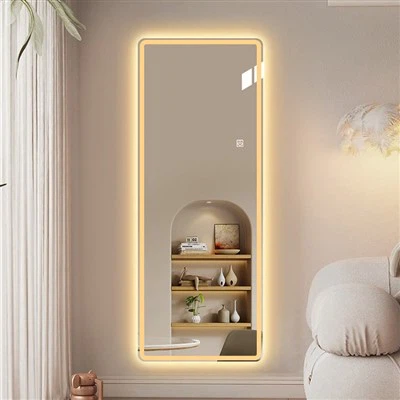
Blue tinted mirrors combine a reflective surface with a distinctive blue tone, offering a decorative alternative to conventional silver mirrors. They can introduce cool color accents, complement contemporary materials, and create visual interest in feature walls, furniture, retail displays, and hospitality interiors. For architects, interior designers, contractors, and commercial buyers, a Blue Color Mirror can help achieve a coordinated design while retaining the reflective qualities expected from a mirror.
The benefits depend on the specific shade, reflective appearance, panel dimensions, and installation method. A lighter blue may create a subtle accent, while a deeper blue can provide stronger contrast against pale stone, timber, or neutral finishes. Understanding these design possibilities and the product's technical requirements helps project teams select a mirror that suits both the intended appearance and practical application.
What Are the Main Benefits of Blue Tinted Mirrors?
Blue tinted mirrors offer several potential advantages for decorative interior projects. Their value lies primarily in their distinctive appearance, flexibility in material coordination, and ability to combine color with reflection.
1. A Distinctive Contemporary Appearance
Blue is often associated with cool, calm, and clean visual palettes. A blue mirror can introduce this character into an interior without requiring the surrounding walls or furniture to use the same color.
Designers may pair a blue mirror with white surfaces, grey stone, dark timber, brushed metal, or neutral upholstery. The final effect depends on the shade of blue, the surrounding materials, and the lighting conditions.
A blue color mirror can therefore serve as a subtle accent in a restrained interior or as a more prominent decorative element in a carefully coordinated design.
2. Color and Reflection in One Surface
Unlike a painted panel or a non-reflective decorative sheet, a mirror combines its color with reflected images and light. This allows designers to introduce a colored surface while maintaining a reflective function.
The effect can be useful for decorative wall arrangements, furniture details, and selected retail displays. However, reflections depend on the objects and light sources around the mirror. Positioning should be considered carefully to avoid reflecting clutter or creating unwanted glare.
3. Flexible Interior Design Applications
Blue tinted mirrors can be considered for a variety of decorative applications, including feature walls, console areas, furniture components, boutiques, hotel lounges, and reception spaces.
The design can be adapted through panel size, shape, edge finishing, framing, and layout. A single rectangular panel creates a different effect from a series of geometric pieces or a larger mirror installation.
4. Coordination With Different MaterialsBlue mirrors can work with a range of materials, although the exact combination should be tested against the selected shade.
| Interior material | Potential design effect |
|---|---|
| White stone or painted surfaces | Creates a clear contrast and keeps the palette light |
| Grey stone and concrete | Supports a restrained contemporary appearance |
| Natural timber | Balances cool color with warmer textures |
| Brushed metal | Adds a refined decorative contrast |
| Neutral fabrics | Allows the mirror to become a controlled color accent |
| Glass and polished surfaces | Creates a coordinated reflective material scheme |
These combinations are design options rather than guaranteed outcomes. Sample review is useful when color coordination is important to the finished project.
Related Post: "What Color Are Mirrors?A Complete Guide"
Where Can Blue Tinted Mirrors Be Used?
Blue mirrors are often most effective when they have a clear role within the overall interior scheme. Their placement should account for the reflected view, lighting, installation details, and the practical needs of the space.
1. Decorative Feature Walls
A blue glass wall mirror can form part of a feature wall in a living room, hotel lobby, restaurant, or commercial reception area. Depending on the design, it may be installed as a single panel or arranged with multiple pieces to create a geometric pattern.
Large installations require careful planning for panel dimensions, access, handling, edge finishing, and mounting support. Joint alignment is particularly important when several panels form a continuous visual composition.
Designers should also consider what the mirror will reflect. Windows, decorative lighting, artwork, and furniture can all influence the final appearance.
2. Hotels and Hospitality Interiors
Hotels, lounges, and restaurants often use reflective materials to complement stone, timber, metal, and layered lighting. Blue mirrors may be considered for selected reception features, decorative wall panels, lounge interiors, and furniture details.
The shade should work with the project's broader material palette. A restrained blue may complement neutral finishes, while a stronger tone may be better suited to a deliberate feature area.
For commercial installations, project teams should also evaluate maintenance access, potential impact, mounting methods, and the suitability of the mirror for the intended environment.
3. Retail Stores and Showrooms
Retail designers can incorporate blue mirrors into display backgrounds, decorative wall sections, and selected fixtures. The reflective blue finish may help establish a distinctive visual identity while complementing clothing, accessories, beauty products, or other merchandise.
Lighting is especially important in retail spaces because it affects both the appearance of the mirror and the products reflected in it. Samples should be reviewed under representative lighting before the final material is approved.
For custom display installations, confirm panel dimensions, cut-outs, edge treatment, and fixing requirements before production begins.
4. Furniture and Cabinetry
Blue mirror glass can be used for selected cabinet fronts, console details, shelving accents, wardrobe panels, and custom furniture components. It combines a reflective surface with a colored finish that can be coordinated with hardware, timber, and stone.
The appropriate product depends on the component's dimensions, support structure, edge exposure, and fixing method. Cutting, polishing, beveling, drilling, and other processing requirements should be confirmed with the fabricator in advance.
5. Residential Decorative Accents
A blue decorative mirror can add color to an entryway, living room, dressing area, or decorative wall arrangement. It can be installed as a standalone framed mirror or incorporated into a larger composition with neutral materials.
For a more understated result, designers may use a smaller panel or a lighter shade. A larger or darker mirror can create a stronger focal point, depending on the surrounding decor and available light.
Related Post: "What Is A Tinted Mirror?Types And Colors"
Blue Tinted Mirror Glass vs. Standard Silver Mirrors
Blue tinted mirror glass and standard silver mirrors both provide reflection, but they create different visual effects. The right choice depends on the project's desired appearance and how the mirror will interact with its surroundings.
| Consideration | Blue Tinted Mirror Glass | Standard Silver Mirror |
|---|---|---|
| Appearance | Colored reflective finish | Conventional neutral reflective finish |
| Design role | Decorative accent or coordinated feature | Functional mirror or understated decoration |
| Material coordination | Often requires deliberate color matching | Generally works with a broad range of palettes |
| Visual character | Distinctive, with a cool-toned effect | Familiar and visually neutral |
| Common considerations | Shade, lighting, reflected colors, and sample approval | Reflection quality, dimensions, edge treatment, and installation |
Neither option is universally better. A silver mirror may be preferable when the design calls for a conventional reflective surface, while a blue finish can be considered when color is an important part of the concept.
A blue decorative wall mirrors arrangement can also be designed around a particular wall or furniture feature, but buyers should confirm that the selected product is intended for the proposed application.

How to Choose the Right Blue Mirror for a Project
Choosing a colored mirror requires more than selecting a shade from a photograph. Project teams should evaluate the product, fabrication requirements, and installation conditions together.
Confirm the Shade and Appearance
Blue mirror finishes can vary in tone and intensity. Lighting, viewing angle, and reflected objects may influence how the color appears once installed. Where appearance is critical, request a sample and review it under lighting similar to the finished space. For projects involving multiple panels, establish the visual acceptance criteria before production.
Specify Dimensions and Thickness
Panel dimensions should be determined from the design drawings and installation layout. Large panels may require additional planning for transportation, handling, lifting, access, and mounting. Thickness should be selected according to the product specification, panel size, support system, and intended use. Confirm the appropriate requirements with the manufacturer or fabricator rather than assuming that one specification suits every application.
Review Fabrication and Edge Processing
Depending on the product and design, fabrication may involve cutting, polished edges, bevelled edges, drilled holes, or other agreed processing. These details should be documented before production begins. For installations with several panels, confirm dimensions and tolerances to help achieve consistent joints and alignment. Furniture components may also require coordination between the mirror supplier and the furniture fabricator.
Assess Installation and Maintenance Requirements
The fixing system should be compatible with the mirror construction, substrate, and surrounding environment. Areas exposed to moisture, frequent cleaning, or potential impact require appropriate product selection and installation planning. Where safety requirements apply, project teams should verify the relevant local regulations and specify suitable protective measures.
Related Post: "What Does Green Mirror Mean? A Guide To Green Colour Mirror Glass"
Blue Color Mirror Solutions from Luck Glass
Luck Glass supports buyers exploring decorative mirror glass for architectural, interior design, and commercial applications. For a Blue Color Mirror project, the selection process should begin with the intended application, desired shade, panel dimensions, thickness, edge processing, and installation requirements.
Project teams can discuss the requirements for feature walls, furniture components, retail displays, and hospitality interiors before confirming the appropriate product specification. Where a design uses multiple panels or combines blue mirrors with other decorative glass finishes, reviewing samples and fabrication drawings early can help coordinate the finished appearance. The aim is to select a mirror that supports the design concept while meeting the practical requirements of manufacturing, handling, and installation.
Frequently Asked Questions
What is blue tinted mirror glass?
Blue tinted mirror glass is a reflective mirror product with a blue appearance. Its exact shade and construction depend on the product specification and manufacturing process.
Are blue mirrors suitable for commercial interiors?
They can be considered for appropriate decorative applications such as feature walls, retail displays, furniture details, and hospitality interiors. Product suitability depends on the environment, mounting system, and relevant safety requirements.
Do blue mirrors change the appearance of reflected objects?
Yes. A tinted reflective surface can influence the overall color impression of reflected objects. The effect varies by product, lighting, and surrounding materials, so samples should be reviewed before specification.
Can blue mirrors be custom fabricated?
Fabrication options depend on the selected product and supplier capabilities. Confirm the required dimensions, edge treatment, holes, cut-outs, and tolerances before production.
How should blue mirror glass be maintained?
Use a soft, lint-free cloth and a cleaning product suitable for mirror surfaces. Avoid abrasive materials and prevent cleaning liquid from collecting along the edges or contacting the backing. Follow the manufacturer's care instructions.
Final Thoughts
Blue tinted mirrors offer a way to combine reflection with a distinctive color accent. They can be considered for decorative walls, hospitality interiors, retail displays, furniture components, and residential spaces where the reflective finish complements the wider design.
For architects, designers, contractors, and commercial buyers, the best results come from choosing the right shade, confirming product specifications, approving samples, and planning fabrication and installation carefully. These steps help ensure that the selected Blue Color Mirror supports both the visual concept and the practical needs of the project.
Related Post: "What Mirrors Are in Style Now? Modern Trends in Grey Colour Mirror Design"