Every commercial project hits this question at some point: do we spring for tempered glass windows, or save the budget and go with standard annealed glass? It's not a trivial decision. Tempered glass can add 20-50% to the glass cost on a project, and on a large build that adds up fast. But the safety difference is real - and in many locations, building codes don't give you a choice. The real question isn't whether tempered glass is better (it is), but whether the extra cost is justified in every application, and where you can smartly allocate the upgrade where it matters most.
The Short Answer: Yes, for Most Applications
Tempered glass windows are worth it in any location where people could come into contact with broken glass - doors, shower enclosures, large windows near walking surfaces, balustrades, and any panel within 24 inches of a door. In those spots, the safety benefit alone justifies the cost, and in most jurisdictions it's required by code anyway. For high-up windows that nobody can reach, annealed glass is a reasonable cost-saving choice.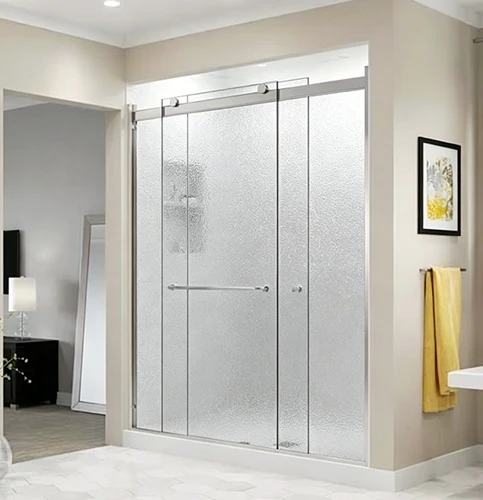
What Tempered Glass Actually Does
Tempering doesn't make glass unbreakable - a hard enough impact will still crack it. What it changes is how the glass breaks. Annealed glass fractures into long, sharp shards that fall like knives and can cause serious cuts. Tempered glass shatters into thousands of small, blunt, pebble-like fragments that are far less likely to injure anyone. It's the same principle as tempered glass in car windshields and side windows - the material is designed to fail safely.
The tempering process also makes the glass four to five times more resistant to impact and thermal stress. A tempered bathroom window can handle a splash of cold water on a hot pane without cracking, where an annealed one might spiderweb. That thermal resistance matters in bathrooms, kitchens and any window exposed to sudden temperature changes.
When It's Not Necessary
Tempered glass isn't required everywhere. A small window high on a wall, well above head height and away from any door or walking path, doesn't pose a significant breakage risk. In those locations, annealed glass is perfectly acceptable and can save real money on a large project. The key is to be strategic - upgrade where safety matters, save where it doesn't.
Related post: "Does frosted glass break easily? Safety, Strength and Applications"
Safety: The Biggest Reason to Upgrade
If there's one reason to specify tempered glass windows, it's safety. The difference in breakage behavior isn't a minor detail - it's the difference between a minor inconvenience and a serious injury or liability claim.
How Tempering Changes Breakage Behavior
The tempering process heats the glass to roughly 620°C and then quenches it with rapid blasts of cool air. This creates compressive stress on the outer surfaces and tensile stress in the core. When the glass does break, those stresses release instantly, causing the entire panel to disintegrate into small, rounded fragments rather than sharp shards. The fragments still make a mess, but they're unlikely to cause deep cuts or life-threatening injuries.
This is why tempered glass is mandatory in so many building codes. A storefront window that breaks during a break-in, a shower door that slips off its track, a railing panel that takes a hard impact - in all these cases, tempered glass contains the damage and protects the people nearby. For commercial property owners, that safety benefit also translates to lower liability risk and potentially lower insurance premiums.
Code Requirements and Where It Matters
Building codes are specific about where tempered glass is required. The International Building Code (IBC) and International Residential Code (IRC) mandate tempered glass in "hazardous locations" - any panel in a door, any panel within 24 inches horizontally of a door, any panel larger than 9 square feet with the bottom edge less than 18 inches above the floor, any panel in a shower or bathtub enclosure, and any panel in a railing or guard. These rules exist because these are the locations where broken glass is most likely to cause injury.
For commercial projects, it's worth noting that local codes can be stricter than the national baseline. A glass supply company familiar with your region can help you navigate the specific requirements and avoid costly rework after inspection.
Related post: "Does laminated glass crack easily? Safety, Strength and Applications"

Cost: How Much More Does It Cost?
Tempered glass does cost more than annealed, but the premium is often smaller than people expect - and the long-term value can far outweigh the upfront difference.
Price Comparison by Glass Type
As a rough benchmark, standard annealed glass might run $15-30 per square meter for basic clear glass. Full tempered glass price typically adds 20-50% on top of that, landing in the $20-45 per square meter range depending on thickness, size and processing. Custom toughened glass with cutouts, holes, notches or edge polishing adds more. Tempered glass for railing price can be higher still because railing panels often require thicker glass (12mm+), polished edges and specialized hardware.
Patterned tempered glass - which combines a decorative texture with tempering - sits in a similar range to clear tempered, with a small premium for the pattern rolling. For a commercial project, the per-panel difference between annealed and tempered might be $20-50 per window. On a 100-window project, that's $2,000-5,000 - a meaningful number, but small relative to the total construction budget and the liability risk of skipping it.
Here's how the costs compare at a glance:
| Glass Type | Approx. Price (per m²) | Safety Rating | Best For |
|---|---|---|---|
| Annealed clear | $15-30 | Low (sharp shards) | High windows, low-risk areas |
| Tempered clear | $20-45 | High (blunt fragments) | Doors, showers, railings |
| Patterned tempered | $25-50 | High + privacy | Bathroom windows, partitions |
| Custom toughened | $30-60+ | High + custom specs | Cutouts, holes, special sizes |
Long-Term Cost vs. Upfront Cost
The upfront premium for tempered glass is only part of the equation. Tempered windows are more resistant to thermal stress and impact, which means fewer spontaneous breakages and fewer warranty claims over the building's lifetime. A tempered bathroom window that survives 20 years of temperature swings and occasional bumps costs less in the long run than an annealed one that cracks after five years and needs replacement - including the labor, downtime and potential injury liability.
For commercial property owners, the math is even more compelling. A single annealed glass breakage in a high-traffic area can result in an injury claim, a lawsuit, or at minimum an emergency replacement callout that costs far more than the original tempered upgrade would have.
Related post: "Is pressed glass durable? Strength, Lifespan and Maintenance Guide"
Patterned Tempered Glass: Safety + Privacy
For many commercial applications, the best choice isn't just tempered glass - it's patterned tempered glass. This combines the safety of tempering with the privacy and aesthetic benefits of a textured pattern, and it's one of the fastest-growing segments in commercial glass specifications.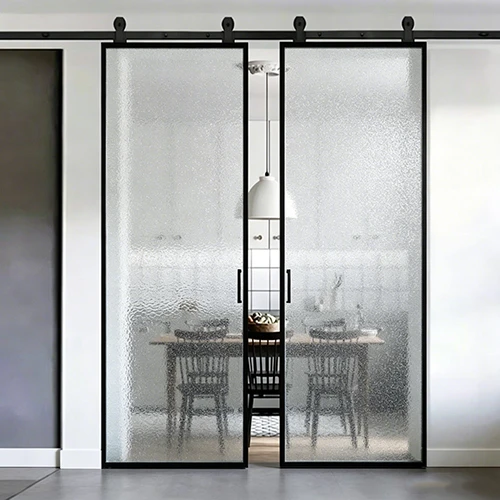
Why Combine Pattern and Tempering
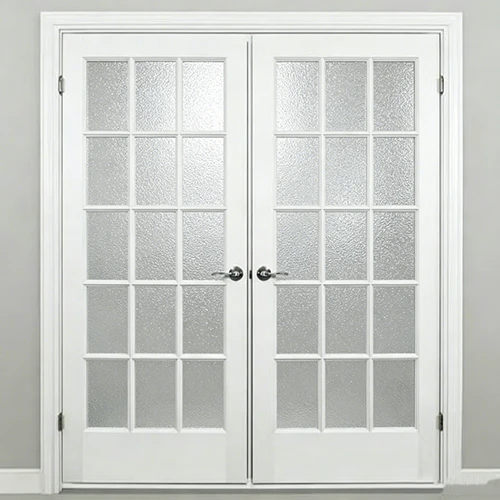
A plain tempered window is safe but transparent - anyone can see through it. A patterned annealed window gives privacy but breaks into dangerous shards. Patterned tempered glass gives you both: the reeded, frosted, hammered or nashiji texture blurs views and adds design interest, while the tempering ensures safe breakage. It's the ideal solution for bathroom windows, office partitions, meeting room walls and any location where you want both privacy and safety compliance.
The pattern is rolled into the glass before tempering, so the tempering process doesn't affect the texture. The result is a panel that looks identical to a standard patterned glass but meets all the same safety standards as clear tempered glass. Glass panel manufacturers can produce patterned tempered glass in a wide range of patterns, thicknesses and sizes.
Popular Patterns for Windows
For windows specifically, a few patterns stand out. Reeded (vertical ribbed) is the current favorite - it lets through plenty of light while blurring details, and the vertical stripes feel contemporary. Frosted and acid-etched patterns offer maximum privacy but dim the room more. Nashiji provides a softer, more organic texture that's less directional than reeded. Hammered is the most decorative option, best for feature windows and statement panels rather than large runs.
A tempered bathroom window in a reeded or nashiji pattern is one of the most common and cost-effective uses of patterned tempered glass - it meets code requirements for wet areas, provides privacy from neighbors, and adds a design element that plain clear glass can't match.
Related post: "What is the most popular obscure glass pattern? Top Privacy Patterns for Commercial Projects"
Sourcing and Specification Tips
When sourcing tempered glass for a commercial project, working directly with experienced glass panel manufacturers and commercial glass suppliers gives you the best combination of price, quality and lead time. A manufacturer that runs its own tempering furnace can offer more consistent quality and faster turnaround than a middleman.
For projects that combine multiple glass types - patterned tempered for bathroom windows, clear tempered for storefronts, thicker tempered for railings - consolidating with a single glass supply company simplifies quality control and logistics. Commercial glass suppliers that carry a full range can ensure consistent tempering quality, pattern matching and delivery timing across the entire project. Bulk orders bring per-unit costs down substantially, so it's worth consolidating rather than buying piece by piece.
Always confirm tempering standards. Tempered glass should meet EN 12150 (Europe) or ANSI Z97.1 / CPSC 16 CFR 1201 (US) standards, and each panel should carry a permanent tempering mark. Custom toughened glass with holes, cutouts or notches requires careful processing - all fabrication must be done before tempering, because cutting or drilling tempered glass after the fact will cause it to shatter. A reputable supplier will manage this sequence correctly.
And compare total landed cost - packaging, shipping, insurance and custom processing included - rather than just the per-square-meter price. A slightly higher unit price from a supplier that includes proper packaging and reliable delivery can end up cheaper than a low quote that arrives with broken panels and delays.
Related post: "What type of glass is best for shower doors? Safety, Privacy and Durability Guide"
Luck Glass: Your Tempered Glass Partner
Luck Glass is a professional glass manufacturer specializing in Patterned Tempered Glass, clear tempered glass, frosted glass, reeded glass, back painted glass, laminated glass, silk-screen printed glass and custom toughened glass products, serving global contractors, developers, building material traders and brand clients. The company runs advanced tempering, rolling and finishing production lines with an experienced technical team that keeps quality consistent and delivery on schedule.
Luck Glass offers tempered glass in a wide range of patterns, thicknesses and sizes, with all panels meeting EN 12150 and ANSI Z97.1 safety standards. Full customization is supported across size, thickness, pattern selection, edge finishing, hole drilling and cutouts, with maximum panel sizes up to 3660mm x 2440mm and typical delivery within 25 working days. Tempered plate glass, full tempered glass and patterned tempered options are all available, with competitive pricing for bulk orders.
Whether the project calls for patterned tempered bathroom windows, tempered glass for railing price-sensitive developments, custom toughened glass for special applications, or bulk supply from commercial glass suppliers for a large-scale build, Luck Glass delivers efficient, reliable solutions tailored to each project's specifications and budget. The technical team can also provide guidance on code requirements, tempering standards and fabrication sequencing for every application.
Frequently Asked Questions
Q: Is tempered glass windows worth the extra cost?
A: Yes, in any hazardous location - doors, showers, railings, large windows near walking surfaces. The safety benefit and code compliance justify the 20-50% premium. For high-up, low-risk windows, annealed glass is a reasonable cost-saving alternative.
Q: How much more expensive is tempered glass than regular glass?
A: Tempered glass typically costs 20-50% more than annealed glass of the same size and thickness. For a standard window, that might be $20-50 extra per panel. Custom toughened glass with holes or cutouts costs more.
Q: Can tempered glass be cut after it's tempered?
A: No. All cutting, drilling and notching must be done before tempering. Once tempered, the glass is under internal stress and any attempt to cut or drill it will cause it to shatter completely.
Q: What's the difference between tempered and laminated glass?
A: Tempered glass shatters into small blunt fragments when broken. Laminated glass holds together when broken because an interlayer keeps the shards in place. Both are safety glass, but laminated offers additional benefits like sound insulation and UV protection, while tempered is more affordable and more impact-resistant.
Q: Is patterned tempered glass more expensive than clear tempered?
A: There's a small premium for the pattern rolling, typically 10-20% over clear tempered glass. But the added privacy and aesthetic value often makes it the better choice for bathroom windows, partitions and feature walls.
Final Thoughts
So is a tempered glass window worth it? For any window in a hazardous location - and that covers most windows in commercial buildings - the answer is a clear yes. The safety benefit is non-negotiable, the code requirement is real, and the long-term cost of skipping tempering (breakage, replacement, liability) far outweighs the upfront premium. The smarter question isn't whether to temper, but where to allocate the budget strategically: temper where safety and codes demand it, consider patterned tempered where you also want privacy, and save annealed glass only for genuinely low-risk locations.
Patterned tempered glass is one of the best-value upgrades in commercial glass specification - it delivers safety compliance, privacy and design interest in a single panel, at a price only modestly higher than clear tempered. Working with experienced glass panel manufacturers and a reliable glass supply company ensures you get consistent quality, correct processing and competitive pricing across the entire project. Tempered glass isn't just a code checkbox - it's a decision that protects the people who use your building every day.
Discuss your project requirements with our team