Solar panels are designed to turn sunlight into electricity, but not every photon that hits a panel actually reaches the silicon cells inside. A significant portion bounces right off the glass surface and never gets converted - this is reflection loss, and it's one of the most important factors in solar module efficiency. Understanding how reflection works, where it happens, and how engineered glass surfaces can reduce it is essential for anyone specifying solar components or evaluating glass solar panels price for a project. This guide breaks down the physics, the solutions, and the practical implications for commercial buyers.
Why Reflection Matters in Solar Radiation
Reflection isn't a defect - it's a fundamental property of light passing between two materials with different densities. When sunlight travels through air and hits glass, some of it refracts into the panel while the rest bounces back. The question is how much bounces back, and what that means for energy output over time.
The Basic Physics of Light Reflection
At the heart of reflection is something called refractive index mismatch. Air has a refractive index of roughly 1.0, while standard soda-lime glass sits around 1.5. That jump from 1.0 to 1.5 creates a sharp optical boundary, and whenever light crosses a sharp boundary, a portion reflects instead of transmitting. On untreated, flat glass, this means about 4 to 8 percent of incoming sunlight is lost at the front surface alone, depending on the angle of the sun and the wavelength of light.
The angle of incidence matters a great deal. When the sun is high and light hits the glass nearly straight-on, reflection is at its lowest. When the sun is low in the morning or evening, light strikes at a steeper angle and reflection increases significantly. This is why solar panels perform best at midday and lose efficiency earlier and later in the day - a problem that Patterned Solar Glass is specifically engineered to address.
How Reflection Reduces Solar Energy Output
Four to eight percent might sound like a small number, but it compounds across the entire lifespan of a solar installation. A utility-scale array with thousands of panels can lose megawatt-hours of production every year simply because light bounces off the glass instead of entering the cells. Over a 25 to 30 year service life, that cumulative loss runs into the millions of kilowatt-hours, directly affecting revenue and return on investment.
Reflection also interacts with other loss factors. Dust, dirt and pollen that accumulate on the glass surface increase reflection further by scattering light in random directions. Standard flat glass allows water to pool and dry into mineral deposits, which add another layer of reflective surface. Patterned Solar Glass mitigates these issues by changing the geometry of the surface itself, creating a structure that guides more light into the panel and sheds water and dirt more effectively.
Related post: "Is tempered glass window worth it? Safety, Cost and Long-Term Value Guide"
How Patterned Solar Glass Reduces Reflection
The core idea behind Patterned Solar Glass is simple in concept but precise in execution: instead of presenting light with a single, sharp reflective surface, create a textured surface that breaks up the reflection and guides more light into the module.
Surface Patterning and Light Trapping
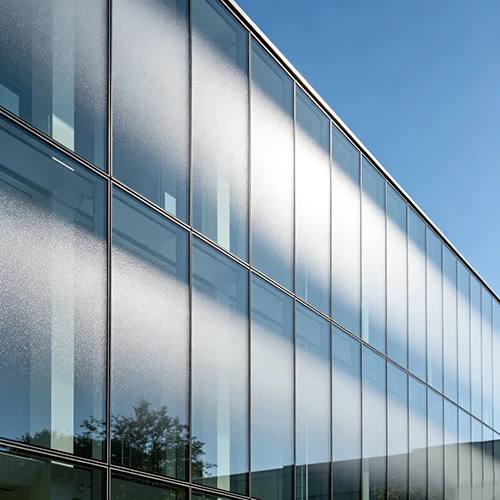
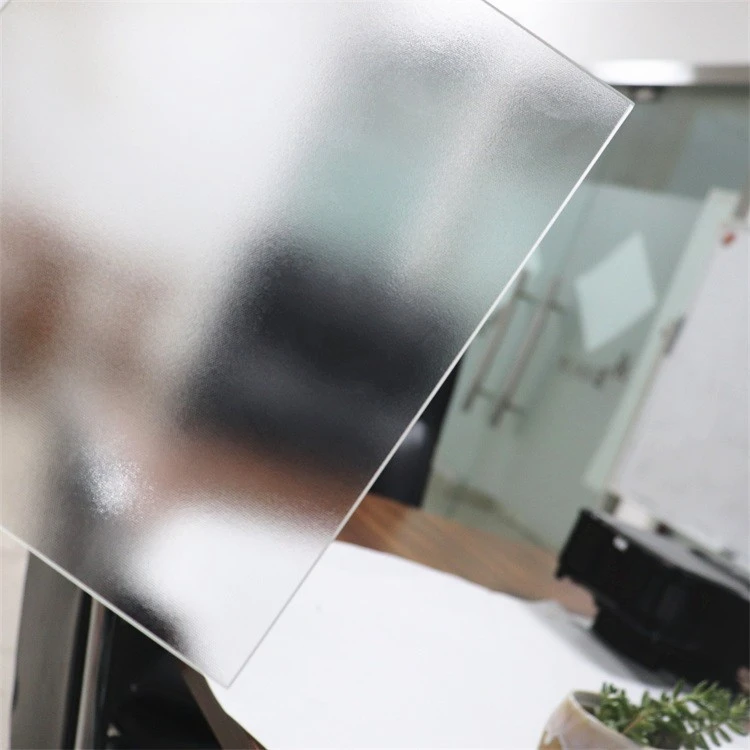
Patterned Solar Glass features microscopic or nanoscale textures molded or etched onto the glass surface. These textures - often pyramidal, grating-like or randomized in structure - create a gradual transition in refractive index from air to glass rather than an abrupt jump. Light encountering this graded interface is less likely to reflect and more likely to refract into the panel. The pattern dimensions are typically tuned to the wavelength range of solar radiation, usually between 1 and 10 micrometers, so the structure interacts optimally with the light that silicon cells convert most efficiently.
The patterning also creates a light-trapping effect. Photons that enter the glass at an angle can bounce around inside the textured layer, increasing the chance they'll reach the cell rather than passing through or reflecting back out. This is especially valuable at low sun angles, where standard flat glass loses the most light. Patterned surfaces effectively widen the angular range over which the panel performs well, boosting morning and afternoon output.
Anti-Reflective Coatings and Low-Iron Glass
High-performance Patterned Solar Glass often combines surface patterning with thin-film anti-reflective (AR) coatings, typically made from silicon nitride or titanium dioxide. These coatings work on the principle of destructive interference - they're engineered to be exactly one-quarter wavelength thick, so light reflecting off the top of the coating cancels out light reflecting off the glass surface below. When applied over a patterned substrate, the coating fills the valleys of the texture, creating an optimized optical stack that can reduce total surface reflection to below 2 percent across the visible and near-infrared spectrum.
The base glass composition matters too. Standard float glass contains iron impurities that give it a slight green tint and absorb some light, especially in the infrared range. Low-iron glass, used in premium solar applications, removes most of these impurities, increasing light transmission by another 2 to 3 percent. When you combine low-iron substrate, surface patterning and AR coating, the total light transmission can reach 93 to 95 percent - a significant jump from the 85 to 88 percent of standard untreated glass.
Related post: "What is the most popular obscure glass pattern? Top Privacy Patterns for Commercial Projects"
Performance Impact and Efficiency Gains
The real question for any commercial buyer is whether the efficiency gains justify the additional cost. The numbers suggest they do, especially for large installations.
Measurable Output Improvements
Solar modules using Patterned Solar Glass typically show 2 to 4 percent higher power output compared to standard glass covers under identical testing conditions. For a 400-watt module, that's an extra 8 to 16 watts of installed capacity per panel. On a 10,000-panel utility array, that's 80 to 160 kilowatts of additional capacity - enough to power dozens of homes. Over a 30-year lifespan, the cumulative energy gain runs into the millions of kilowatt-hours.
The benefit is even more pronounced in regions with significant morning and evening sun exposure, or in high-latitude locations where the sun stays low for much of the day. In these conditions, the angular performance advantage of patterned glass can push the efficiency gain to 5 percent or more compared to flat glass.
Long-Term Cost and ROI Considerations
Patterned Solar Glass does carry a premium over standard glass, and glass solar panels price will reflect that. But the cost-benefit analysis favors patterned glass in most commercial scenarios. The additional upfront cost is typically recovered within the first few years of operation through increased energy production, and the remaining 20+ years of the module's lifespan deliver pure additional revenue.
Here's how the key metrics compare:
| Metric | Standard Flat Glass | Patterned Solar Glass |
|---|---|---|
| Light transmission | 85-88% | 93-95% |
| Surface reflection | 4-8% | Below 2% |
| Power output gain | Baseline | +2-4% |
| Angular performance | Poor at low angles | Significantly improved |
| Self-cleaning ability | Moderate | Better water shedding |
| Typical lifespan | 25-30 years | 25-30 years |
The textured surface also offers durability benefits beyond optical performance. Patterned glass sheds water more effectively, reducing mineral deposit buildup and soiling losses over time. Rain cleans the surface more thoroughly because water runs off the textured geometry rather than pooling and evaporating. In dusty or agricultural environments, this self-cleaning effect can maintain higher output between manual cleanings.
Related post: "Does patterned glass go on the inside or outside? Installation Orientation and Best Practices"
Beyond Solar: Patterned Glass in Other Applications
The same surface engineering that makes Patterned Solar Glass effective for solar modules translates well to architectural applications. The textured surface diffuses light, provides privacy and adds visual interest - properties that are valuable in buildings as well as panels.
Patterned Glass Internal Doors and Partitions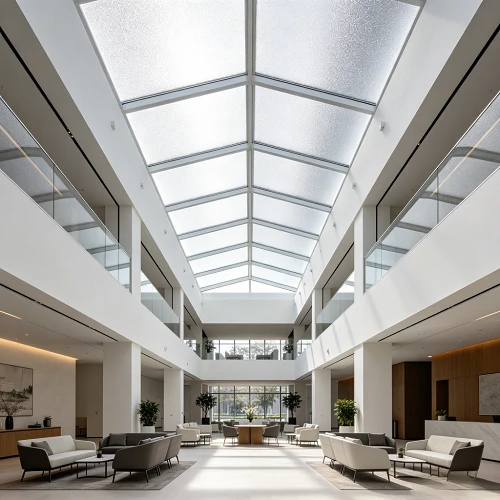
Patterned glass internal doors have become increasingly popular in commercial interiors because they divide space without cutting off light. The textured surface blurs views between rooms, giving meeting rooms and offices acoustic and visual privacy while maintaining an open, airy feel. Unlike clear glass, patterned glass hides clutter and activity on the other side, making it ideal for offices, healthcare facilities and educational buildings where privacy matters but natural light is still desired.
The pattern options for internal doors mirror those used in solar glass - reeded, nashiji, hammered, frosted and custom textures are all available. The choice depends on the desired level of privacy and the design aesthetic. Reeded patterns offer a contemporary look with moderate privacy, while heavier hammered or frosted patterns provide near-complete obscuring.
Patterned Shower Doors and Wet Areas
Patterned shower doors are another fast-growing application. In bathrooms and wet areas, the textured surface provides privacy while letting light through, and it hides water spots and soap scum better than clear glass. The same self-cleaning properties that benefit solar panels work in showers too - water runs off the textured surface more readily, reducing mineral deposit buildup and making maintenance easier.
For commercial projects like hotels, gyms and spas, patterned shower doors offer a durable, low-maintenance solution that looks premium and withstands heavy use. Patterned glass panels can be tempered for safety, customized to any size, and matched across an entire property for a consistent design language.
Related post: "What are the different types of decorative glass? A Complete Guide to Patterns, Applications and Sourcing"
Sourcing and Specification for Commercial Projects
When sourcing patterned glass for solar or architectural applications, working with experienced pattern glass suppliers and wholesale glass manufacturers ensures consistent quality, competitive pricing and reliable delivery. A manufacturer that runs its own rolling, tempering and coating lines can offer more control over pattern precision and optical performance than a distributor sourcing from multiple factories.
For projects combining solar and architectural glass - a development with rooftop solar arrays and patterned glass internal doors throughout the building - consolidating with a single glass supply company simplifies logistics and quality control. Wholesale window glass suppliers that carry both solar and architectural patterned glass can ensure consistent tempering quality, pattern matching and delivery timing across the entire project. Bulk orders from wholesale glass manufacturers bring per-unit costs down substantially, so it's worth consolidating rather than buying application by application from different sources.
Always confirm optical specifications when evaluating glass solar panels price. Ask for light transmission data, reflection rates at various angles, and AR coating specifications. A reputable supplier will provide test certificates and can recommend the right combination of pattern, coating and substrate for your specific climate and installation conditions. Compare total landed cost - including packaging, shipping and insurance - rather than just the per-square-meter price, because shipping damage and delays can erase any upfront savings.
Related post: "Is pressed glass durable? Strength, Lifespan and Maintenance Guide"
Luck Glass: Your Patterned Glass Partner
Luck Glass is a professional glass manufacturer specializing in Patterned Solar Glass, patterned glass panels, reeded glass, frosted glass, hammered glass, back painted glass, laminated glass and custom decorative glass products, serving global contractors, developers, solar integrators, building material traders and brand clients. The company runs advanced rolling, tempering, coating and finishing production lines with an experienced technical team that keeps quality consistent and delivery on schedule.
Luck Glass offers patterned glass in a wide range of standard and custom patterns, with consistent texture quality across all panel sizes. Solar-grade options combine low-iron substrate, precision surface patterning and anti-reflective coatings to maximize light transmission and minimize reflection loss. Architectural patterned glass panels can be tempered to meet EN 12150 and ANSI Z97.1 safety standards, with full customization across size, thickness, pattern selection, edge finishing, hole drilling and cutouts. Maximum panel sizes reach up to 3660mm x 2440mm, with typical delivery within 25 working days.
Whether the project calls for Patterned Solar Glass for a utility-scale array, patterned shower doors for a hotel development, patterned glass internal doors for an office fit-out, or bulk supply from wholesale window glass suppliers for a large-scale build, Luck Glass delivers efficient, reliable solutions tailored to each project's specifications and budget. The technical team can also provide guidance on optical performance, pattern selection and installation for every application.
Frequently Asked Questions
Q: What exactly is reflection in solar radiation?
A: Reflection is the phenomenon where light bounces off a surface instead of entering it. In solar modules, reflection occurs at the air-glass interface because air and glass have different refractive indices. Standard untreated glass reflects 4 to 8 percent of incoming sunlight, reducing the amount of light that reaches the silicon cells and lowering energy output.
Q: How does Patterned Solar Glass reduce reflection?
A: Patterned Solar Glass uses microscopic surface textures to create a gradual transition in refractive index from air to glass, rather than a sharp boundary. This reduces specular reflection and guides more light into the module. When combined with anti-reflective coatings and low-iron glass, total surface reflection can be reduced to below 2 percent.
Q: How much efficiency gain can I expect from patterned solar glass?
A: Modules using Patterned Solar Glass typically show 2 to 4 percent higher power output compared to standard glass. The gain is larger at low sun angles and in high-latitude locations, where the angular performance advantage of patterned glass is most pronounced.
Q: Can patterned glass be used for both solar panels and architectural applications?
A: Yes. The same surface patterning technology used in solar glass is also used for patterned glass internal doors, patterned shower doors, partitions and windows. The optical properties that reduce reflection in solar applications also provide privacy and light diffusion in architectural settings.
Q: Is patterned solar glass more expensive than standard glass?
A: Yes, there is a cost premium, which is reflected in glass solar panels price. However, the increased energy output typically recovers the additional cost within the first few years of operation, and the remaining lifespan delivers pure additional revenue. For large installations, the cumulative gain is substantial.
Final Thoughts
Reflection is an unavoidable physical reality whenever light hits glass, but it's not a fixed loss - it's something that can be engineered and reduced through thoughtful surface design. Patterned Solar Glass addresses reflection at its source, using microscopic textures, anti-reflective coatings and low-iron substrates to push light transmission above 93 percent and cut surface reflection below 2 percent. The 2 to 4 percent efficiency gain may sound modest on a single panel, but across thousands of panels and decades of operation, it translates into meaningful energy production and revenue.
The same patterned glass technology that powers solar modules also brings value to architectural applications - patterned glass internal doors, shower doors, partitions and windows all benefit from the light diffusion, privacy and self-cleaning properties that textured surfaces provide. For commercial buyers, the key is working with pattern glass suppliers and wholesale glass manufacturers that can deliver consistent optical quality across both solar and architectural product lines. Reflection will always be part of solar radiation, but with the right glass, it doesn't have to be a significant loss.