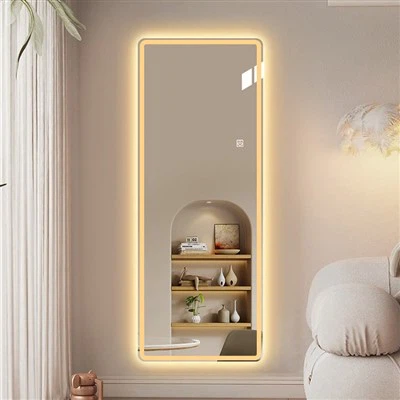
Yes - museum glass is made to be non-reflective, but not perfectly so. A thin optical film deposited under vacuum cuts the reflection of the room down to a low residual level, so the artwork behind the pane reads almost as if the glass were not there. It is the standard choice for framing where seeing the work matters more than hiding anything. The name is a description of use rather than a separate material, and non reflective museum glass is judged by what it lets you see, not by a promise of zero reflection. Buyers comparing it with ordinary frame glass should look at the coating, the base pane and how the finished piece is built. The wider decorative glass family contains several finishes that reduce glare, but only one of them keeps the view clear.
What "museum glass" actually means
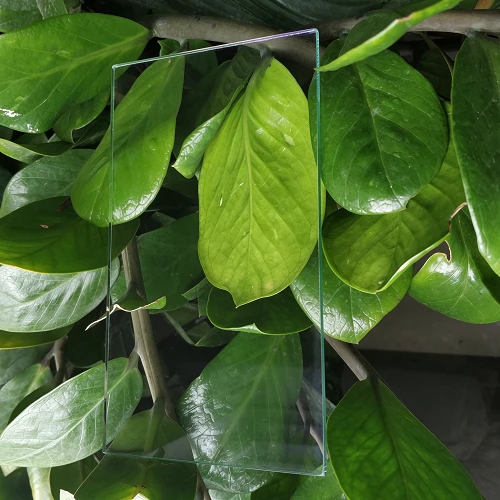
A frame glass built for looking through
Museum glass is a glazing chosen for display: framed works, gallery cases and vitrines. Its job is to get out of the way. Where a normal pane lays a reflection of the room over the picture, a coated pane lets the viewer see the surface of the work instead. Non reflective frame glass of this kind is specified by the outcome - low reflection and high transmission - rather than by a decorative pattern. That distinction matters when you order it: you are buying an optical finish, not a texture.
The coating, not the name, does the work
The effect comes from a stack of very thin layers deposited under vacuum. Their thicknesses and refractive indices are chosen so that light reflecting from one layer partly cancels light from the next. More light passes through and less bounces back, with no haze added. The panel is therefore clear, not frosted. Ask a supplier to describe the coating and the base pane it is deposited on; a name on a catalogue does not tell you which combination you are getting.
For how the coating removes reflection in detail. ⇒ Related Post: Can glass be made non-reflective? How AR Coating Works
A small gleam always remains
No coating removes reflection completely. Under a dark background or a strong lamp, a residual gleam will still appear, and that is expected rather than a defect. The practical goal is low reflection under the lighting the piece will actually hang in. Agree on a sample viewed at the real angle before an order is placed, so both sides share the same definition of acceptable. A pane that looks flawless under a showroom spotlight can behave differently on a gallery wall.
Why galleries and frames specify it
The artwork, not the glass, should be seen
In a frame or a display case, the pane is a means to an end. If the room is reflected across the surface, the detail behind it is lost. Non reflective museum glass lowers that reflection so colour and texture read as intended. It suits bright galleries and lit vitrines especially well, where an untreated pane would throw a second image of the lights across the work. It does not obscure anything, and that is the point.
UV control is a separate decision
Low reflection and UV protection are not the same thing. A coating that reduces visible reflection does not automatically filter ultraviolet light. Where a work needs UV protection, specify a separate layer or a UV-filtering laminated glass build by name, and confirm it with the supplier. Treat the two requirements as independent lines in the specification, so neither is assumed from the other.
Where a clear pane is the right call
A clear coated pane suits a museum, a gallery or a private collection. It is the wrong choice where privacy or screening is the aim, because it does not hide the view. For an office partition or a bathroom screen, a frosted or textured glass finish does that job. Choose the glazing for what the opening must achieve, rather than transferring a museum specification into a setting that needs something else.
For the alternative when reflection needs softening rather than cancelling. ⇒ Related Post: Which is better, anti-glare or anti-reflective? How To Choose
How it differs from other low-reflection options

Not anti-glare, not frosted
Anti-glare glass scatters light at a roughened surface. It softens a reflection but adds haze and takes the edge off fine detail. Frosted glass goes further and obscures the view. An anti reflective glass sheet works the other way: it lowers reflection while keeping the image sharp. In a frame, that difference decides which product fits. A showroom photograph can make the finishes look alike; the view through them is not alike at all.
For the trade-offs that come with the scattering route. ⇒ Related Post: What are the disadvantages of anti-glare glass? Trade-Offs
Not the same as architectural AR glazing
The same coating family appears in larger architectural panels - shopfronts, display walls and interior glazing. The optical principle is shared, but the build is not. A framed piece is small, handled often and mounted close to the work; a façade panel is large, exposed and specified for safety and weathering. A non reflective frame glass order should be quoted as its own item, with its own size, edge treatment and handling requirements, rather than priced as a cut-down version of a building pane.
What drives the price of framed low-reflection glass
Base glass, coating and build
An anti reflection glass price reflects more than the film. The base pane matters: a low-iron glass keeps colours neutral and lets more light through, while an ordinary clear base can add a faint green tint at the edges. One coated face or two changes the result and the cost. Edge work, cutting and any safety treatment add further steps. Ask every supplier to price the same written build, so the figures describe the same panel.
Cut to size and face position
Framed pieces are made to measured dimensions, not pulled from a standard size range. A non reflective frame glass piece begins with final sizes and an edge specification, because a coated face cannot be reworked afterwards. Where the film sits also matters: a protected face lasts longer in handling and cleaning than one left exposed. Confirm both before the order is placed, and ask how each affects the anti reflection glass price you are quoted.
Compare against one approved sample
Approve a full-size sample of the exact build and keep it as the reference for the whole order. View it under the light of the room where it will hang, against a dark background and at the viewing angle that matters. An anti reflective glass sheet that looks perfect in a catalogue can show a distracting gleam in situ. An anti reflection glass price is only meaningful when it is tied to that agreed sample and the same specification from every supplier.
For what affects the working life of the film. ⇒ Related Post: How long do anti-reflective coatings last? Lifespan And Care
FAQ
Is museum glass completely non-reflective?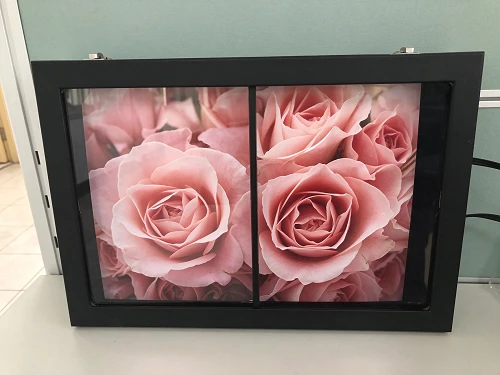
No. A good coating reduces reflection to a low residual level, not to zero. Under a strong light or against a dark background, some gleam remains. The practical target is that the artwork reads clearly under normal viewing conditions. Judge a non reflective museum glass sample under the lighting it will actually meet, and agree what level of residual gleam is acceptable before the order goes ahead.
Is museum glass the same as anti-reflective glass?
Museum glass is a use-based name for a low-reflection pane, usually one carrying an AR coating. The coating is the product; "museum" describes where it is fitted. You may see the same finish sold as non reflective frame glass or as a display glazing. Ask what is deposited on which base pane, rather than deciding from the name alone.
Does museum glass block UV light?
Not automatically. Reducing visible reflection and filtering ultraviolet light are separate functions. If the work needs UV protection, ask for a UV-filtering layer or build by name and get it confirmed in writing. Do not assume a gallery specification includes UV filtering by default.
Can a coated frame pane be cut to size later?
No. Cutting, drilling and edge work damage the coated face, so all fabrication must be completed before the film is applied, or the face must be protected through every later step. Give final dimensions at the outset and confirm the sequence with the fabricator. That applies to every coated pane, whatever size the frame is.
How should a coated frame pane be cleaned?
Use a soft, lint-free cloth and a gentle cleaner, and avoid dry wiping or abrasive materials on the coated face. Handle a non reflective frame glass pane by the edges, not across the coated surface. Where the film sits inside a sealed or laminated build it is shielded from daily handling; an exposed face needs more care. Put the agreed cleaning routine in the handover notes.
Chinese Frame Glass Supplier: Luck Glass
Luck Glass is a glass processing manufacturer focused on the deep-processing of decorative and obscure glass for both residential and commercial projects. Across our ranges we produce acid-etched, frosted, painted, fabric and textured glass, and we fabricate coated and tempered builds where a project calls for them, supplied as cut-to-size panels with the finish, color and safety treatment each project needs - tempered, laminated, or a combination of both. Our multiple deep-processing lines support consistent batches across large orders, and we work with distributors, contractors and brands in many countries worldwide. From a private bathroom partition to a multi-floor commercial fit-out, our fabrication is cut-to-size and matched to project drawings.
Where the leading Chinese manufacturers stand this year. ⇒ Related Post: China's Leading Glass Manufacturers (Updated 2026)
Summary
Museum glass is non-reflective in the practical sense: a vacuum-deposited AR coating reduces the reflection of the room to a low residual level so the artwork reads clearly. It is a use-based name, not a separate material, and non reflective museum glass should be judged on coating, base pane and build rather than on the promise of zero reflection. Anti glare and frosted finishes solve different problems. Price an anti reflective glass sheet and any anti reflection glass price against one written specification and an approved sample viewed under real light.