Laminated glass offers important advantages, including improved safety, fragment retention, and design flexibility. However, it also has some limitations that should be considered before selecting it for an architectural or decorative project. Common downsides include potential edge delamination, optical imperfections, more complicated processing, and challenges in recycling.
These considerations are particularly important for decorative products such as laminated fabric glass, fabric interlayer glass, and sandwich fabric glass, where fabric, metal mesh, or other decorative materials are incorporated between glass sheets. Understanding these limitations helps designers, contractors, and buyers select the right glass construction for their applications.
What Are the Main Downsides of Laminated Glass?
Although laminated glass is widely used in architectural and interior design, it is not suitable for every situation. Its performance depends on the glass sheets, interlayer material, manufacturing quality, and installation environment. Some of the main limitations include:
Risk of Edge Delamination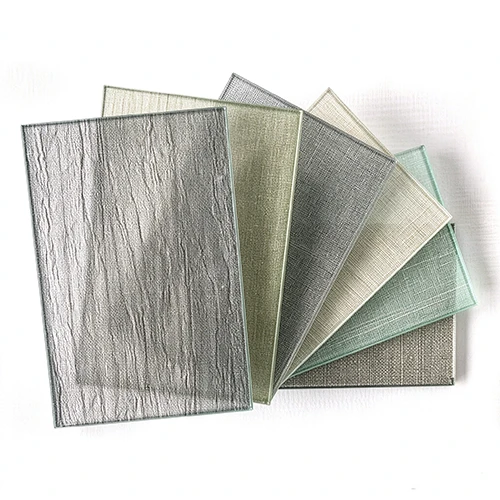
One of the most common concerns with laminated glass is delamination, which occurs when the interlayer begins to separate from the glass. This may appear as bubbles, cloudy areas, or whitish discoloration, particularly around exposed edges. Prolonged moisture exposure, incompatible sealants, chemical contact, and unsuitable installation conditions can contribute to this problem. Proper edge protection, drainage, and material compatibility are therefore essential for long-term performance.
Optical Imperfections
The interlayer can affect the optical appearance of laminated glass. Depending on the materials and manufacturing process, minor haze, bubbles, inclusions, color variations, or visual distortion may occur. These effects can be more noticeable in decorative glass, where transparency, color consistency, and the visibility of the inserted material are important design considerations. Using appropriate materials and maintaining strict production quality control can help reduce these issues.
More Complicated Processing
Laminated glass requires additional manufacturing steps compared with a single sheet of glass. Glass cutting, edge polishing, drilling, and other necessary processing generally need to be completed before lamination. Once the glass sheets have been bonded together, changing the panel dimensions or making additional holes is not as straightforward as working with unlaminated glass. This means that dimensions, hardware positions, and processing requirements should be confirmed before production.
Increased Weight in Multi-Layer Constructions
Laminated glass consists of multiple glass sheets and an interlayer, so its total thickness and weight can increase when additional glass layers or thicker glass plies are specified. This may require stronger supporting frames, suitable hardware, and more careful handling during transportation and installation. The actual weight depends on the complete glass make-up rather than the interlayer alone.
More Difficult Recycling
Laminated glass is a composite material consisting of glass and a polymer interlayer. Separating these materials after use can be more difficult than recycling ordinary monolithic glass. Specialized processing is generally required to separate the interlayer from the glass fragments before the materials can be recovered. This presents an additional challenge for glass waste management and recycling.
Do you know "How Is Fabric Glass Made?"(Related Post)
Special Considerations for Laminated Fabric Glass and Metal Mesh Glass
Decorative laminated glass offers more design possibilities than conventional clear laminated glass because it can incorporate fabrics, metal mesh, patterns, and other materials between glass sheets. However, these decorative inserts also introduce additional manufacturing considerations.
Fabric Interlayer Glass
Fabric interlayer glass, also known as laminated fabric glass or sandwich fabric glass, is produced by placing a decorative fabric between two or more glass sheets and bonding the layers together with a suitable interlayer. The fabric creates a distinctive visual effect while maintaining the smooth glass surfaces.
One challenge is that not every fabric is suitable for lamination. Different fabrics may have different thicknesses, textures, coatings, and material compositions, which can affect bonding and the final appearance. Some materials may also change color or appearance during processing. Manufacturers should therefore evaluate fabric compatibility, interlayer selection, and lamination conditions before mass production. Sample testing is particularly useful when a project requires a specific fabric texture or color.
Laminated Glass Metal Mesh
Laminated glass metal mesh combines glass sheets with a metal mesh inserted between them. As shown in Luck Glass's Laminated Glass Metal Mesh product, the mesh creates a distinctive decorative pattern while allowing light to pass through the glass, depending on the mesh design and density.
The main challenge is achieving consistent positioning and appearance throughout the panel. The mesh must be compatible with the lamination process, and its material, surface condition, thickness, and pattern can influence the finished product. If the mesh is not properly positioned or prepared, visual inconsistencies or bonding defects may occur. Careful material selection, sample approval, and production control are therefore important.
For more inspiration on decorative glass designs and textures, explore our related article.
Related Post: "What Are Some Different Types Of Glass Patterns? "
Are the Downsides of Laminated Glass a Problem for Interior Applications?
Not necessarily. Many limitations can be managed through appropriate product specifications,  manufacturing controls, and installation methods. For example, decorative interior glass is often installed in relatively controlled environments, where moisture exposure and weather conditions may be less demanding than in exterior applications.
However, interior applications still require attention to glass dimensions, edge finishing, interlayer compatibility, and the intended use of the panel. For decorative glass doors, partitions, furniture, and wall panels, the appearance of the interlayer is especially important because the decorative material may remain visible from both sides.
When selecting interior decorative glass, buyers should confirm the expected transparency, color consistency, surface quality, and compatibility of all materials used in the glass construction. For applications involving fabric or metal mesh, reviewing a physical sample before production can help ensure that the finished panel matches the design expectations.
know more about laminated fabric glass
Related Post: "What Is The Recommended Interlayer Thickness For Laminated Glass?"
How Can Manufacturers Reduce the Disadvantages of Laminated Glass?
Although the limitations of laminated glass cannot be eliminated entirely, proper manufacturing and quality control can reduce many potential problems. The process starts with selecting suitable glass sheets and interlayer materials. For decorative products, manufacturers should also check the compatibility of fabrics, metal mesh, and other inserts before beginning production.
During lamination, clean working conditions and appropriate temperature, pressure, and processing cycles are essential for achieving consistent bonding. After production, panels should be inspected for visible bubbles, inclusions, edge defects, delamination, and unwanted optical variations. Packaging, transportation, and installation also matter because damaged edges or unsuitable contact materials may affect the finished product.
For additional background on decorative glass types and their characteristics, take a look at this guide.
Related Post: "Five Types Of Decorative Glass"
Is Laminated Glass Still a Good Choice?
Despite its limitations, laminated glass remains a practical material for many architectural and decorative applications. Its ability to retain broken glass fragments, accommodate different interlayer materials, and incorporate decorative elements makes it suitable for projects where both safety and appearance matter.
For example, laminated fabric glass and metal mesh laminated glass can be used in decorative partitions, doors, wall panels, furniture, and other interior design features. The important point is to match the glass construction to the intended application instead of assuming that every laminated glass product offers the same performance.
If you are considering laminated glass for a project, discuss the glass thickness, interlayer type, decorative insert, edge treatment, and installation conditions with an experienced laminated glass supplier. Working with reliable commercial glass suppliers, a qualified glass panel supplier, or experienced Chinese glass manufacturers can also help ensure that the product meets the project's technical and visual requirements.
If laminated glass durable?
Related Post: "How Strong Is Laminated Glass?"
Frequently Asked Questions
Does Laminated Glass Delaminate Over Time?
It can, particularly when its edges are exposed to prolonged moisture, incompatible chemicals, or unsuitable installation conditions. However, properly manufactured laminated glass with appropriate edge protection and compatible glazing materials can provide long-term performance.
Is Laminated Glass Harder to Cut Than Regular Glass?
Yes. Cutting and processing should generally be completed before lamination. Once the glass sheets are bonded together, modifying the finished panel requires specialized procedures and may not be feasible for every construction.
Is Laminated Glass Heavier Than Regular Glass?
The total weight depends on the number and thickness of the glass sheets. Multi-layer constructions can be heavier than single-pane glass, so supporting structures and installation hardware should be designed for the actual panel weight.
Can Fabric Be Used as an Interlayer in Laminated Glass?
Yes. Suitable fabrics can be incorporated into laminated glass to create decorative fabric interlayer glass. However, fabric compatibility, thickness, surface treatment, and lamination conditions should be evaluated before production.
Is Laminated Glass Suitable for Decorative Interior Applications?
Yes. It is used in decorative doors, partitions, furniture, wall panels, and other interior applications. The appropriate interlayer and glass construction depend on the required appearance, safety performance, and installation conditions.
Conclusion
Laminated glass has several limitations, including possible edge delamination, optical imperfections, more complicated processing, increased weight in multi-layer constructions, and recycling challenges. Decorative products such as laminated fabric glass and metal mesh laminated glass also require additional attention to insert compatibility, positioning, and manufacturing quality.
However, these limitations do not make laminated glass unsuitable. With appropriate material selection, careful production, and correct installation, it remains a versatile solution for architectural and interior decorative applications.
Luck Glass offers decorative glass solutions, including laminated glass with metal mesh and other customized designs. Contact our team to discuss your project requirements and explore suitable laminated glass options.