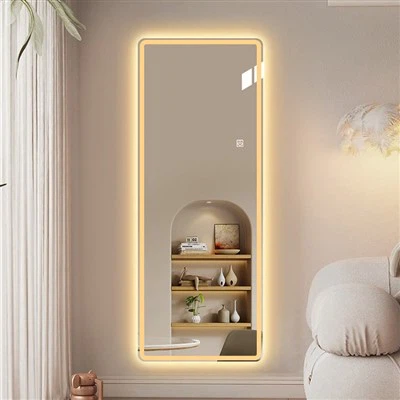
At a glance, textured glass still reads as glass, but its face is not flat and mirror-smooth. The surface carries a deliberate, repeating relief-fine vertical reeds, a soft frosted matte, or a pressed decorative motif-that bends and scatters the light passing through it. So the answer to "what does textured glass look like?" is straightforward: it looks dimensional and light-diffusing, like clear glass tha t has been given a consistent, tactile pattern, so objects behind it appear softened and distorted rather than perfectly sharp.
What Textured Glass Looks Like Up Close
Hold a panel of textured glass up to a window and the first thing you notice is the relief. The pattern is  continuous across the whole sheet, not a printed image sitting on top. Run a finger across it and you can feel the ridges or the satin grip of an etched face; the material itself has been shaped, not just coated. That is the key visual cue: textured glass has a three-dimensional surface, while ordinary clear glass is optically flat.
Under direct light the pattern throws small highlights and shadows, which is why textured glass often looks livelier than plain glass. A reeded panel, for example, sends thin vertical glints across a room as the sun moves; a frosted panel glows evenly like soft paper. What stays constant is that the glass remains a glazing material-you can still see that there is a garden, a hallway, or a person behind it-but the detail is blurred into a calm, private wash of light.
To understand how much of the view actually survives that blur, the transparency question is worth a closer look ⇒ Related Post: "Is Textured Glass See Through? Privacy & Light Explained"
How Textured Glass Gets Its Surface
The look is decided at the moment the glass is made, and there are three main routes.
The first is rolled or cast patterning. Molten glass is passed between embossed steel rollers that press a repeating design into the still-soft sheet. This is how reeded, fluted, and most decorative patterned glasses are born-the relief is literally rolled into the body of the glass, so it cannot wear off.
The second is acid etching or sandblasting. A flat, already-clear sheet is treated so its surface turns into an even, microscopic satin. The result is frosted glass: no directional pattern, just a uniform matte that reads as soft and bright.
The third is a cast or kiln-formed texture, used for heavier artistic relief where a deeper, less regular surface is wanted.
Because the method changes the face, the same "textured" label can describe very different appearances-from crisp vertical ribs to a cloudy satin to a deep pressed flower. Knowing which process made the glass tells you what it will look like and how it will perform.
Patterned and textured glass overlap more than most buyers expect-here is where the two terms actually meet ⇒ Related Post: "What is a patterned glass?"
The Textured Looks You Will Recognize
Most textured glass on the market falls into a few visual families, and learning to name them makes specification far easier.
Reeded and fluted glass
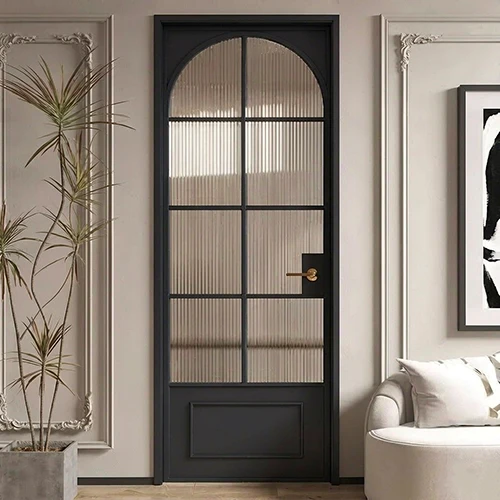
Reeded glass shows a series of fine, parallel vertical ribs-like a row of thin rounded rods fused side by side. From across a room it reads as elegant striping; up close you see the rounded channels that bend the light. Fluted is the same idea with deeper, often wider grooves. Both are favorites for doors and partitions because they feel architectural and calm.
Frosted and acid-etched glass
Frosted glass has no directional lines at all. Its whole face is an even, translucent satin that glows rather than glints. It is the go-to choice when the goal is privacy without any visible pattern-bathrooms, meeting rooms, and cabinet fronts.
Pressed patterned glass
Pressed patterns range from subtle waves and rain to bold geometric and floral motifs. Unlike reeding or frosting, these are recognizably "designed" surfaces, often chosen as a decorative feature in their own right rather than just a privacy screen.
Each family gives a different answer to the same question-what does textured glass look like?-and the right one depends on how much privacy, how much pattern, and how much light you want in the space.
Textured glass is only one branch of a much wider decorative family; this guide maps the rest of it ⇒ Related Post: "What are the different types of decorative glass? Types and usage"
Textured Toughened Glass: When Pattern Meets Strength
A common question is whether you have to trade looks for safety. You do not. Textured toughened glass takes a textured sheet and heat-treats it, so the panel gains the impact resistance and break-safe behavior of tempered glass while keeping its surface pattern intact.
The tempering happens after the texture is already formed, which means the relief is preserved exactly as designed. The result is a panel that looks soft and decorative but meets the safety expectations of doors, balustrades, and any location where a person could collide with the glazing. For a family home or a commercial fit-out, specifying textured toughened glass lets you keep the privacy and the style without stepping down on performance.
When texture is paired with a safety interlayer, the result is a different product class entirely ⇒ Related Post: "What Are The Different Types Of Laminated Glass?"
Textured Privacy Glass: Light In, Eyes Out
Privacy is the reason most people first reach for a textured panel. Textured privacy glass uses the distorted surface to break up sightlines: someone on the other side can tell the room is occupied and that daylight is flowing, but they cannot make out faces, screens, or details.
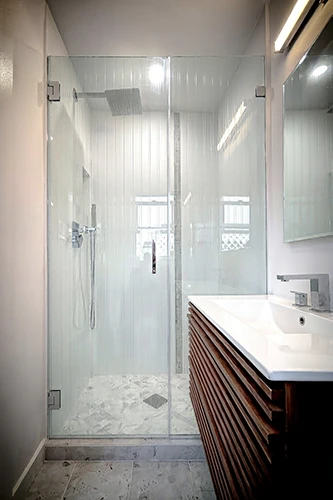
This is why it is everywhere in bathrooms and shower enclosures, where you want brightness but not exposure. It is also popular in street-facing locations-a front door with a textured insert, for instance, brings in the morning sun while shielding the hallway from the pavement. The clever part is that privacy arrives without curtains or blinds, so the space stays open and full of light.
Texture is only one route to a private glazing; obscure glass covers the whole approach and is worth knowing ⇒ Related Post: "Can You See Through Obscure Glass? A Privacy Guide"
Textured Glass Panels For Interiors
Beyond doors and baths, textured glass panels earn their place in the everyday details of a room. Cabinet doors gain a soft, glowing face that hides the contents without looking closed-off. Open shelves backed with a textured panel pick up light and add depth. Kitchen and bathroom backsplashes in a subtle texture read as crafted rather than clinical.
Because the panels are typically cut to size, the same pattern can run from a small drawer front to a full-height wall, tying a room together. Pairing the texture with a light tint or a colored interlayer opens even more looks-still textured, but warmer or cooler to suit the scheme.
For a named, specifiable frosted texture you can call out by pattern, Minster is a useful reference point ⇒ Related Post: "What Is Minster Glass? A Guide to the Minster Frosted Pattern"
Textured Glass Panels For Doors
Doors are where textured glass does some of its hardest work. An entry door with a textured glass panel turns a solid, windowless facade into a source of daylight, while the pattern keeps the interior screened from the street. Interior doors gain the same benefit between rooms-a home office behind a reeded door stays quiet and private yet still feels connected to the rest of the house.
Shower and screen doors are another natural home for the material: the texture hides the body behind the glass and resists the water-spot glare you get on flat clear glass. In all of these, choosing textured toughened glass keeps the door safe as well as stylish.
Before settling on a textured door panel, it helps to know how glass types behave under impact ⇒ Related Post: "What is the difference between laminated glass and normal glass? A Practical Comparison"
Choosing A Decorative Glass Texture
Picking the right decorative glass texture comes down to three questions: how much privacy do you need, how much pattern do you want to see, and how much light must pass.
Want maximum light with a whisper of pattern? Choose fine reeding or a very light etch.
Want a clear privacy screen with no visible design? Choose frosted or acid-etched.
Want the glass to be a feature in itself? Choose a pressed patterned motif.
Want strength as well as looks? Specify textured toughened glass.
Color, tint, and edge finish then fine-tune the result. A warm bronze tint reads cozy; a cool grey reads modern; a polished edge reads precise. Because textured glass is supplied as cut-to-size panels, the pattern, thickness, and safety treatment can be matched to the exact drawing of the project rather than forced into a standard size.

About Luck Glass
Luck Glass is a glass processing manufacturer focused on the deep-processing of decorative and obscure glass for both residential and commercial projects. Across our ranges we produce acid-etched, frosted, painted, fabric and textured glass, supplied as cut-to-size panels with the finish, color and safety treatment each project needs-tempered, laminated, or a combination of both. Our multiple deep-processing lines support consistent batches across large orders, and we work with distributors, contractors and brands in many countries worldwide. From a private bathroom partition to a multi-floor commercial fit-out, our fabrication is cut-to-size and matched to project drawings.
FAQ
What does textured glass look like?
Textured glass looks like clear glass with a deliberate, repeating surface pattern-such as fine vertical reeds, a soft frosted matte, or a pressed decorative motif. It stays see-through but bends and scatters light, so objects behind it appear softened and distorted rather than sharp.
Is textured glass see-through or opaque?
Most textured glass is translucent, not opaque. It lets light through while blurring the view, so you can tell there is a person or object behind it without seeing clear detail. Heavier patterns obscure more; very fine textures mostly add sparkle.
What are the main types of textured glass?
The common families are reeded (vertical or fluted ribs), frosted or acid-etched (an even matte satin surface), and patterned (pressed decorative motifs like florals, waves, or geometric grids). Each gives a different level of privacy and a different visual character.
Can textured glass be toughened?
Yes. Textured glass can be heat-treated into textured toughened glass, gaining the strength and safety of tempered glass while keeping its surface pattern. The tempering is done after the texture is formed, so the relief is preserved.
Is textured glass good for privacy?
Textured privacy glass is one of the simplest ways to get privacy without losing daylight. The distorted surface hides direct sightlines, making it popular for bathrooms, shower enclosures, and front-door inserts where you want light in but eyes out.
Where is textured glass used around the home?
You will see textured glass panels in cabinet doors, shelves, and kitchen backsplashes, and textured glass panels for doors in entry and interior doors and shower screens. It also appears in office partitions and balustrades where light and a soft screen are both wanted.