Some glass patterns feel instantly familiar even if you've never learned their names. Florentine glass is one of them. You've seen it in old hotel lobbies, heritage homes, antique furniture and period-style pub doors - a soft, pressed texture of diamonds and fine grids that catches the light with a quiet, old-world charm. Named after the Italian city famous for its Renaissance craftsmanship, Florentine glass has been around for well over a century, and it's still produced today for anyone who wants that particular vintage character without hunting down salvaged antique panes.
What Is Florentine Glass?
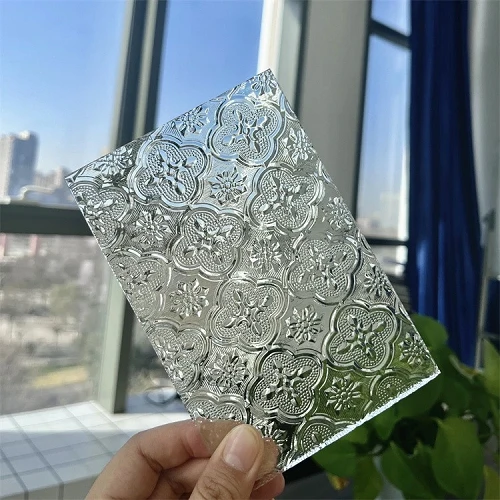
Florentine glass is a type of pressed or patterned glass decorated with a repeating motif of  small diamonds, square grid lines and a lightly textured surface. It belongs to the family of "press glass" patterns that were rolled onto glass surfaces during production, and it takes its name from the Florentine decorative style - think intricate geometry, symmetry and a handcrafted feel.
The pattern does two things at once. It breaks up direct sight lines, giving the glass a semi-private, obscure finish, and it scatters light into a soft, sparkling shimmer that plain clear glass can't replicate. Because the pattern is pressed into the surface rather than applied as a coating, it never wears off, fades or needs maintenance. That's why so much Florentine glass from the early 1900s still looks good today.
A Brief History of Florentine Glass
Florentine glass emerged in the late 19th and early 20th centuries, when pattern glass production was booming across Europe and North America. Pressed glass technology let manufacturers roll decorative textures onto standard panes cheaply, and the Florentine motif - with its diamond and grid geometry - became one of the most popular designs for cabinet doors, transom windows and entrance doors in traditional homes.
For decades it was a workhorse decorative glass, found in everything from Victorian shopfronts to 1930s apartment buildings. As modern architecture moved toward minimalism and float glass became the default, Florentine glass faded from new construction. But it never disappeared. Today it's experiencing the same revival as other heritage patterns like wavy glass and reeded glass, especially in restoration work and in commercial interiors that want a warm, characterful alternative to plain frosted panels.
Related post: "What is the most popular obscure glass pattern? Top Privacy Patterns for Commercial Projects"
Florentine Glass vs Modern Patterned Glass
It helps to understand where Florentine glass sits alongside the patterns you already know. The table below lays out the key differences.
| Aspect | Florentine Pattern Glass | Modern Patterned Glass |
|---|---|---|
| Pattern | Diamond grid, geometric, vintage | Varied: reeded, wave, rain, hammered |
| Style | Traditional, old-world, heritage | Contemporary, minimal, architectural |
| Light effect | Sparkling shimmer, soft diffusion | Diffused, linear or organic depending on pattern |
| Privacy level | Medium to high | Low to high depending on pattern |
| Typical uses | Doors, cabinets, transoms, restoration | Showers, partitions, façades, modern interiors |
| Availability | Specialist manufacturers and importers | Widely available |
What most people notice first about Florentine glass is the way it plays with light. The diamond facets catch reflections at different angles, so the glass looks subtly different throughout the day - brighter and livelier in the morning, calmer in the evening. Modern geometric patterns are often flatter and more uniform in comparison. That liveliness is exactly what designers mean when they describe Florentine glass as having "character."
One practical point: Florentine privacy glass offers genuine obscurity. You can see light and movement through it, but faces, furniture and details on the other side stay blurred. For doors and windows where you want privacy with an elegant, period-appropriate look, it performs just as well as modern frosted glass - it just looks a lot more interesting.
Related post: "What are the different types of decorative glass? A Complete Guide to Patterns, Applications and Sourcing"
Where Florentine Glass Works Best
Florentine glass has a surprisingly wide range of uses. It suits both restoration projects and new builds that want a vintage accent, and it works in residential and commercial settings alike.
Doors and Door Panels
This is the classic application. Florentine glass in an entrance door gives a home or a boutique hotel instant character, offering street-side privacy while letting daylight into the hallway. It also works beautifully in internal doors - bedroom doors, pantry doors and office doors - where the pattern adds a refined, old-fashioned touch without darkening the room. For period properties, matching Florentine panels in multiple doors creates a cohesive heritage look.
Cabinet Doors and Furniture
Vintage florentine glass is a staple of antique furniture and remains a favorite for glass-front cabinets, display cabinets, bookcases and sideboards. The texture hides clutter on the shelves behind it while showing off the silhouettes of what's stored inside. In retail and hospitality, Florentine-patterned cabinet fronts give cafés, bars and shop fittings a curated, vintage feel that plain glass can't match.
Partitions and Screens
For commercial interiors - restaurants, hotels, offices, salons - Florentine pattern glass partitions divide space with a softer, more decorative presence than clear or plain frosted glass. It works well in half-height screens, full-height room dividers and decorative window panels, adding warmth to modern materials like black steel and timber. The heritage character pairs especially well with brass, dark wood and vintage-style lighting.
Bathroom Windows and Screens
Florentine privacy glass is a practical choice for bathroom windows where you want natural light without exposure. The pressed diamond texture obscures the view reliably, and because the pattern is integral to the glass, there's nothing to peel, rot or replace. It's also a popular choice for heritage home renovations where standard frosted glass would look out of place.
Related post: "Can you still get wavy glass? Modern Wave Pattern Glass Guide for Commercial Projects"
How to Specify and Source Florentine Glass
If you're planning to use Florentine glass in a project, a few decisions make all the difference between a beautiful result and a frustrating one.
Pattern Style and Depth
Florentine patterns vary between manufacturers. Some are finely detailed with small diamonds and tight grids; others are bolder with larger motifs and deeper texture. For restoration work, ask for samples and compare them against photos of the original glass you're matching. For new projects, the choice is aesthetic - fine patterns look more elegant and traditional, while bold patterns read more clearly from a distance.
Safety and Performance Treatments
Like most patterned glass, Florentine glass can be tempered or laminated to meet modern safety standards. Tempered Florentine glass is the right choice for doors, low-level glazing and any location where people could fall through it. Laminated versions add security and improved acoustic performance. Both treatments preserve the pressed pattern completely. For exterior doors and windows, Florentine glass can also be assembled into double glazed units, combining the heritage look with thermal insulation.
Sourcing Considerations
Florentine glass is a specialist product, so not every glass merchant stocks it. Buying directly from pattern glass suppliers who roll their own patterns gives you the widest choice of motif styles and the most consistent quality. Check that the supplier can batch-match panels for multi-unit projects, provide full-size samples rather than tiny swatches, and offer custom cutting, edge finishing and hole drilling to suit your framing. For commercial volumes, wholesale pricing from a full-service glass supply company makes the per-unit cost very competitive.
Related post: "Does patterned glass go on the inside or outside? Installation Orientation and Best Practices"
Luck Glass: Your Florentine Pattern Glass Partner
Luck Glass is a professional decorative glass manufacturer specializing in Florentine Pattern Glass, reeded glass, wavy glass, rain glass, frosted glass, back painted glass, laminated glass and a wide range of custom privacy glass patterns, serving global contractors, developers, restoration specialists, building material traders and brand clients. The company operates advanced rolling, tempering, laminating and finishing production lines with an experienced technical team that keeps pattern quality consistent and lead times reliable.
Luck Glass offers Florentine pattern glass in several motif depths, from fine traditional diamonds to bolder contemporary interpretations, suitable for doors, cabinet fronts, partitions, bathroom windows and heritage restoration. All Florentine glass can be tempered to meet EN 12150 and ANSI Z97.1 safety standards, laminated for security and acoustic performance, or assembled into double glazed units for thermal efficiency. Full customization is supported across size, thickness, pattern selection, edge finishing, hole drilling and cutouts, with maximum panel sizes up to 3660mm x 2440mm and typical delivery within 25 working days.
Whether the project calls for vintage florentine glass for a period home renovation, florentine privacy glass for a hotel bathroom, patterned glass panels for a retail fit-out, or bulk supply from commercial glass manufacturers for a large-scale development, Luck Glass delivers efficient, reliable solutions tailored to each project's specifications and budget. The technical team can also provide guidance on pattern matching, orientation, safety compliance and glazing details for every application.
Frequently Asked Questions
Q: What does Florentine glass look like?
A: Florentine glass has a pressed texture of small diamond shapes arranged in a grid, often with fine lines connecting the motifs. It has a traditional, old-world appearance and catches light with a soft shimmering effect. The pattern provides medium-to-high privacy while allowing light through.
Q: Is Florentine glass still made?
A: Yes. Florentine glass is still produced today by decorative glass manufacturers, both as a heritage restoration product and as a contemporary patterned glass. Modern versions can be tempered, laminated or double glazed, which the original antique glass never offered.
Q: What is Florentine glass used for?
A: Florentine glass is commonly used in entrance doors, internal doors, cabinet fronts, display cases, partitions, screens and bathroom windows. It suits both period restoration projects and new designs that want a vintage, characterful accent.
Q: How can you tell if glass is Florentine?
A: Look for the signature diamond-shaped motif pressed into the surface, arranged in a regular grid. The texture feels raised on one side and the glass has a distinctive sparkling quality when light hits it. If you're unsure, compare it with photos of Florentine pattern glass or ask a specialist supplier.
Q: Is Florentine glass good for privacy?
A: Yes. The pressed diamond pattern blurs shapes and details on the other side of the glass while still transmitting light, making it a good choice for bathroom windows, front doors and partitions that need visual privacy without feeling dark.
Final Thoughts
Florentine glass is one of those patterns that proves decorative glass never really goes out of style - it just waits for the right project. Its diamond-grid texture brings warmth, history and a genuinely beautiful play of light to doors, cabinets, partitions and windows, whether you're restoring a period building or adding a vintage accent to a modern space.
The practical side is just as appealing. The pattern is pressed into the glass, so it needs no maintenance, and modern manufacturing means you can have it tempered, laminated or double glazed without losing any of the traditional character. The key is sourcing from pattern glass suppliers who can match motif style, batch consistency and safety certification to your project's needs. Done right, Florentine glass gives you the elegance of a century-old craft with the performance and reliability of a modern product.