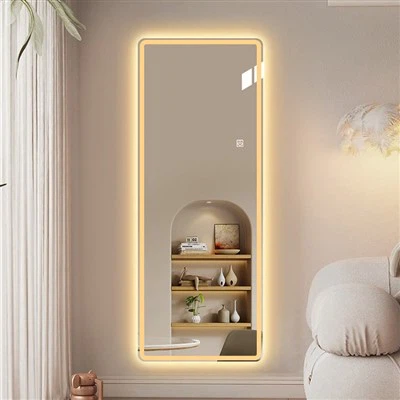
Yes - reeded glass is firmly back in fashion. After two decades of flat, minimal surfaces dominating showrooms and renovations, the vertical-ribbed reeded glass texture has returned as one of the most copied details in contemporary interiors. You now see it on kitchen cabinet fronts, pantry doors, shower screens, wardrobe fronts and internal partitions - most often chosen because it lets daylight move through a room while softening the view behind it. The look itself is not new: it first peaked in the mid-century, faded during the era of clear open-plan glazing, and is now enjoying a genuine second life driven by a hunger for tactile surfaces, privacy without solid walls, and the warm, characterful feel that flat glass simply cannot give.
Why Reeded Glass Fell Out Of Favor
To understand the comeback, it helps to know where it went. Reeded and fluted glass were once everywhere in mid-century homes - glazed kitchen cabinets, bathroom windows, front-door inserts, even built-in bookcase doors. As open-plan minimalism took hold from the 1990s onward, taste shifted hard toward large, clear, uninterrupted panes: the bigger the sheet of invisible glass, the more "modern" a space felt. Textured glass read as dated, faintly old-fashioned, and a great many original reeded panels were ripped out during renovations and replaced with plain glazing.
The material never vanished from specification entirely - it kept a quiet, functional role in obscure bathroom glazing and the occasional heritage restoration - but as a style statement it sat on the shelf for the better part of two decades. That long gap is exactly why the look now reads as fresh rather than retro, and why a young homeowner encountering it for the first time treats it as a discovery rather than a throwback.
The wider door trend this sits inside is mapped here, including the privacy-insert detail reeded glass delivers ⇒ Related Post: "What Is The New Trend For Front Doors?"
Why It's Back
Several forces pushed reeded textured glass back into the spotlight at once. The first is a broad swing away from sterile minimalism toward texture, craft and "honest" materials - buyers increasingly want surfaces they can see and feel, not just flat planes they walk past. The second is practical: the open-plan home still needs privacy, and reeded glass delivers it without building a wall or blocking light. The third is the long, slow boom in mid-century and vintage styling, of which reeded glass is one of the most recognisable signatures.
Social platforms did the rest: a ribbed glass pantry door or a reeded shower screen photographs beautifully, which pushed both specifiers and homeowners toward the look. Hospitality and retail picked it up too - hotel lobbies, cafés and boutiques use reeded screens to hint at what sits behind them while holding a clean, architectural line. The result is a detail that now reads as both classic and current at the same time, and that rare combination is what turns a trend into a stay.
To picture the texture on a real panel and doorway, the visual guide is the quickest way ⇒ Related Post: "What does textured glass look like? Privacy & Door Panels"
What Reeded Glass Texture Actually Looks Like
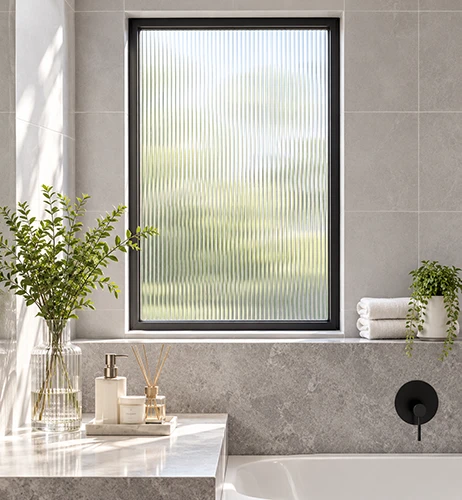
The reeded glass texture is formed by passing molten glass between two rollers, one of them engraved with parallel lines. Those lines impress fine, closely spaced vertical ribs across the whole sheet. The base glass stays transparent, so light still passes through; the ribs only bend and blur whatever sits behind them into soft vertical streaks. The pattern is directional - it reads differently when mounted vertically versus horizontally - and rib fineness varies between mills, but the effect is always the same: a gentle, linen-like shimmer rather than a bold or noisy pattern.
What surprises first-time buyers is how much the rib fineness changes the mood. A very fine reed reads almost like a whisper of texture and keeps the glass feeling open; a coarser reed reads as a stronger architectural statement and hides more. Because the ribs are physical, not printed or filmed, the texture catches side-light in a way a printed pattern never can, throwing soft highlights along the panel as the day moves.
The full decorative family this belongs to is covered here ⇒ Related Post: "What are the different types of decorative glass? Types and usage"
Reeded Glass Colors And Tints
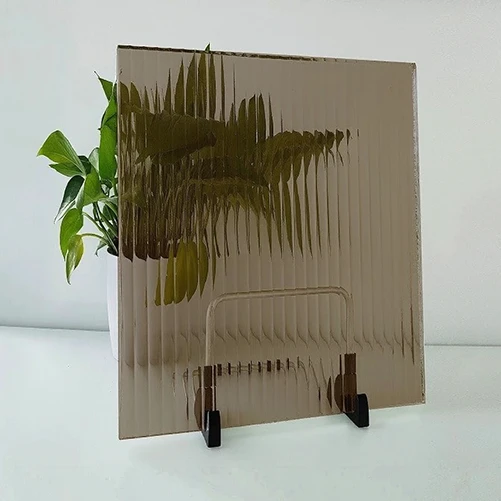
One reason the revival feels new rather than nostalgic is the colour story. Classic mid-century reeded was almost always clear or pale, but today the texture is offered in bronze, gray, blue and even low-iron options that maximise clarity. Bronze and champagne tints give the ribs a warm, smoky depth that suits Japandi, mid-century and earthy interiors; gray and blue tints read cooler and more architectural, pairing well with steel frames and contemporary cabinetry.
The tint does not change the privacy - it only changes the mood and the way light is coloured as it passes through. When you brief a supplier, the tint is worth deciding early, because a bronze reeded panel and a clear one can look like two different materials even though the rib is identical. Choosing the tint is therefore less a technical decision than a styling one, and it is the single biggest lever on whether the finished panel feels warm or crisp.
Reeded Glass Sheet: Sizes, Thickness And Custom
A reeded glass sheet is simply a flat pane with the ribbed pattern rolled into the surface, ordered to the size and thickness a project needs. For light cabinet and furniture glazing, 3 mm and 4 mm are common; for larger pantry doors, shower screens and partitions, 5 mm, 10 mm and 12 mm are typical; and the sheet can be cut to size for the exact opening rather than bought off-the-shelf.
For most home applications the panel is also specified as tempered (toughened) reeded glass, which keeps the pattern while adding a safety rating; where fall-out, impact or security matters it can be laminated instead. Because the whole character of the look depends on rib fineness and tint, a physical sample is worth requesting before you commit a whole run - photos rarely capture how the ribs catch the light in your actual room, and a swatch settles more arguments than a specification sheet ever will.
If privacy is the goal, the obscure-glass angle is the next step to compare ⇒ Related Post: "Can You See Through Obscure Glass? A Privacy Guide"
Reeded (Reed) Obscure Glass For Privacy
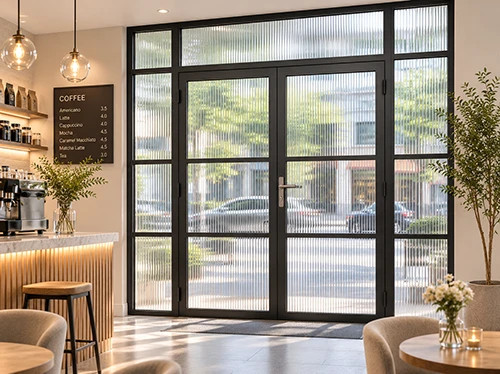
In privacy ratings the same panel is often listed as reed obscure glass, meaning it meets an obscurity standard while keeping the reeded look. "Obscure" here describes function, not a frosted finish: reeded glass blurs detail behind it, so someone in the next room cannot make out objects or faces, yet light and loose shapes still come through. That is exactly why it works on a bathroom window, a shower screen or a front-door sidelight.
It is worth separating two ideas - all reeded glass obscures to some degree, but a panel rated "obscure" is the one specified where privacy is a code or comfort requirement. Either way the benefit is the same: screening without shutting out the daylight. For a family bathroom the obscure rating matters; for a display cabinet it is a nice-to-have. Knowing which camp your project falls into stops you over-specifying (and over-spending) on a panel you do not need rated to the stricter standard.
How much you can actually see through it, versus a flat obscure panel, is broken down here ⇒ Related Post: "How Private Is Textured Glass? Light, Doors And Panels"
Where You'll See It Now
The revival shows up in predictable but growing places. Kitchen cabinet fronts and reeded glass sheet pantry doors remain the most copied detail, hiding clutter while keeping the run of cabinetry feeling light. Bathrooms use it for shower screens, windows and even vanity splashbacks. Homes with open plans use reeded internal doors and partitions to borrow light between rooms without losing privacy, and wardrobe and bookshelf doors use it to soften a storage wall that would otherwise feel heavy.
Commercial spaces follow the same logic: reception desks, restaurant divides, retail display cabinets and office meeting rooms all use the texture to hint at what is behind them while keeping a clean line. Wherever a space wants light plus a little mystery, reeded glass has become the default detail of the moment, and the range of applications keeps widening as more specifiers realise how little it costs to add that layer of interest.
Since the glass stays see-through, the practical question is how much you can actually see - this piece answers it ⇒ Related Post: "Is Textured Glass See Through? Privacy & Light Explained"
How To Style Reeded Glass In A Project
A few practical habits make the look land rather than feel busy. Keep the rib direction consistent across  a room - vertical ribs on a pantry door and a shower screen read as intentional, while mixed directions can look accidental. Pair reeded glass with warm materials (oak, brass, travertine) for a mid-century feel, or with black steel and stone for a more industrial one; the glass is neutral enough to sit in either camp.
Use it where you want to conceal without closing off: a messy shelf behind reeded glass looks curated rather than hidden, and a utility area gains calm it would never have in clear glass. Resist the urge to cover large areas, though - reeded glass works best as an accent panel, not a whole wall, so the texture stays a detail you enjoy rather than a surface you tire of. A little, used well, is what keeps it feeling current instead of costume.
Choosing A Supplier
When you brief reeded glass suppliers, the sample matters more than the word "reeded." Rib profiles vary between mills, so ask for a physical swatch and check the rib fineness, the tint (clear, bronze, gray or another), and whether the sheet can be tempered or laminated for your location's code. Confirm cut-to-size fabrication and edge work - polished or bevelled - so the panel arrives ready to fit, and ask how the texture reads when mounted vertically versus horizontally, because orientation changes how both the privacy and the light fall across the room.
A good supplier will also be honest about lead-time on tinted or thick reeded stock, which is often longer than clear, and will talk you through whether tempered or laminated is the right safety route for the opening. Treat the conversation as a specification exercise, not a colour pick: the rib, the tint and the safety treatment together decide whether the panel you receive is the one you pictured.
For the close cousin everyone confuses it with, the fluted comparison is worth a read ⇒ Related Post: "What Is The Difference Between Fluted And Reeded Glass?"
About Luck Glass
Luck Glass is a glass processing manufacturer focused on the deep-processing of decorative and obscure glass for both residential and commercial projects. Across our ranges we produce acid-etched, frosted, painted, fabric and textured glass, supplied as cut-to-size panels with the finish, color and safety treatment each project needs - tempered, laminated, or a combination of both. Our multiple deep-processing lines support consistent batches across large orders, and we work with distributors, contractors and brands in many countries worldwide. From a private pantry door to a multi-floor commercial partition, our fabrication is cut-to-size and matched to project drawings.
FAQ
Is reeded glass back in fashion?
Yes. After a long minimalist lull, reeded glass has returned as a defining detail of current interiors - visible on kitchen cabinets, pantry doors, shower screens and internal partitions. The revival is driven by a taste for tactile, characterful surfaces and the mid-century look that flat glass cannot deliver, and it now reads as both classic and current at once.
Is reeded glass the same as textured glass?
No - reeded is one type within the textured-glass family. "Textured glass" is the broad category that also includes frosted, acid-etched and patterned glass; reeded is the specific version with fine parallel vertical ribs rolled into the surface.
What is a reeded glass sheet and what sizes does it come in?
A reeded glass sheet is a flat pane with the ribbed pattern rolled into the surface. It is commonly supplied in thicknesses from 3 mm and 4 mm for cabinetry up to 5, 10 and 12 mm for doors and partitions, and it can be cut to size, then tempered or laminated as the project requires.
Is reeded glass obscure or private?
Reeded glass blurs what sits behind it, so it reads as obscure and gives everyday privacy, but it is not fully opaque - light and loose shapes still pass through. Where privacy is a code or comfort requirement, an obscure-rated reeded panel is specified.
Summary
Reeded glass is back in fashion because it delivers three things flat glass cannot: tactile texture, privacy without a solid wall, and a warm mid-century character. The reeded glass texture is a transparent pane with fine vertical ribs that blur what sits behind it while still passing light, and it is supplied in clear and tints such as bronze, gray and blue. As a reeded glass sheet it can be cut to size in thicknesses from 3 mm to 12 mm and tempered or laminated as the project needs. You will see it most on kitchen cabinet fronts, pantry doors, shower screens and internal partitions - and when privacy is rated, the same panel is specified as reed obscure glass. Choose by sample: confirm the rib fineness, tint and safety treatment with your reeded glass suppliers before you commit.