You most often call it patterned glass - but in the trade the same material is also called figured glass, textured glass, or rolled glass, after the way the design is pressed into the surface. Each name points at the same thing from a different angle: "patterned" describes the look, "figured" is the industry label, "textured" places it in the wider decorative family, and "rolled" names the manufacturing step. The exact pattern then gets its own name - reeded, fluted, hammered, rain, glue-chip - so "what do you call it" really has two answers: the family name, and the specific pattern.
The Names You'll Hear Most
Buyers meet the same glass under four labels, and knowing which is which stops a specification from going wrong.
Patterned Glass (The Generic Term)
"Patterned glass" is the broad, everyday name for any flat glass that carries a repeating design rolled into its surface. It is the term retailers, architects and homeowners reach for first, which is why it anchors most search queries and product listings.
Figured Glass (The Industry Label)
In glass mills and standards documents the same product is usually called figured glass. "Figured" simply means the surface has a figured (shaped) relief rather than a flat polish, so when a supplier quotes figured glass they mean exactly this category.
Textured Glass (The Wider Family)
Textured glass is the larger family that also covers acid-etched, frosted and sandblasted surfaces. Patterned glass is one branch of it - the branch where the texture is a repeating, raised pattern rather than an even satin finish.
Rolled Glass (Named For The Process)
Rolled glass describes how it is made: molten glass passed between rollers, at least one embossed, which presses the pattern in. The name travels with the process, so "rolled" and "patterned" are often used interchangeably for the same sheet.
If you want the definition rather than the names, the companion piece covers it ⇒ Related Post: "What is a patterned glass?"
Why Patterned Glass Has So Many Names
The overlap is not sloppy - it reflects how the product moves from factory to front door.
One Process, Many Mills
Every mill rolls its own relief designs and files them under house names, so the same visual pattern can appear as three different catalogue numbers. The physical glass is identical; only the label changes, which is why one buyer's "reeded" is another's "fluted."
Region And Supplier Variations
English, European and Asian suppliers each lean on a preferred term - figured in some markets, textured in others. None is wrong, but mixing them on one project causes confusion, so pick one family name and use it consistently across the order.
The broader decorative family these names sit inside is mapped here ⇒ Related Post: "What are the different types of decorative glass? Types and usage"
Patterned Glass Texture: How The Pattern Is Made
The patterned glass texture is what separates this material from a plain or frosted pane,  and it is built in during production rather than applied after.
Rolled Between Engraved Rollers
Molten glass is passed between two rollers, one carrying an engraved relief. As the sheet cools, that relief is impressed permanently into the body of the glass. The pattern cannot wear off or peel, which is the key difference from a printed or filmed surface.
Fine Ribs Versus Deep Relief
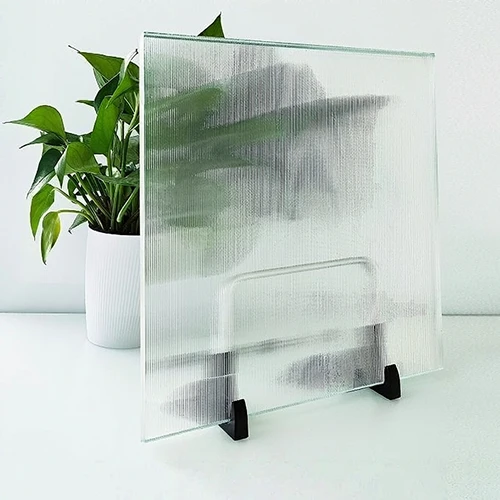
Patterns range from barely-there fine ribs to deep, sculptural relief. A fine rib - such as the reeded sample shown above - reads as a soft vertical shimmer and keeps the glass feeling open, while a deeper relief hides more and reads as a stronger design statement.
Reeded And Fluted: The Striped Version
The striped, vertical-rib look is the most common patterned glass texture in homes today. Whether a supplier calls it reeded or fluted, the effect is the same: fine parallel lines that blur what sits behind the glass while still passing light.
To see how the texture actually reads on a real panel, the visual guide is the quickest way ⇒ Related Post: "What does textured glass look like? Privacy & Door Panels"
Patterned Glass For Windows And Showers
The texture earns its keep wherever light and privacy must coexist, which is why it shows up across the home.
Patterned Glass Windows
Patterned glass windows are a staple of bathrooms, stair landings and front-door side lights, where they borrow daylight from another space without exposing the room. The pattern softens the view while the glass itself stays bright and airy.
Patterned Shower Glass
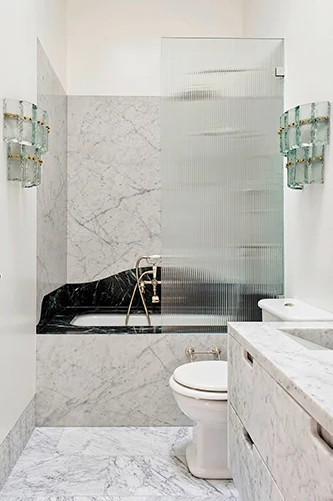
Patterned shower glass turns a shower enclosure into a private, light-filled corner. Because the texture is part of the glass, it resists the streaking and wear that a surface coating would show, and it reads as a deliberate design choice rather than a privacy compromise.
Patterned Shower Panels
Patterned shower panels - full-height glass walls rather than framed doors - use the same material on a larger scale. They hide the shower area from the rest of the bathroom while keeping the whole space feeling open, which is why they are common in both new builds and renovations.
How much privacy those shower and window panels really give is broken down here ⇒ Related Post: "How Private Is Textured Glass? Light, Doors And Panels"
Patterned Glass Cut To Size
Off-the-shelf sizes rarely fit a real opening, so most projects order the glass made to measure.
Custom Fabrication For The Opening
A patterned glass cut to size panel is simply cut from a rolled sheet to the exact dimensions of the door, window or cabinet, with edges polished or bevelled as the fitting needs. Because the pattern runs across the whole sheet, a cut panel keeps the design continuous right to the edge.
Tempered Or Laminated
For most openings the panel is also specified as tempered (toughened) patterned glass, which adds a safety rating without losing the pattern; where fall-out or security matters it can be laminated instead. Order the pattern first, then apply the safety treatment, since tempering after patterning is the normal sequence.
The two striped subtypes you will be asked to name are compared here ⇒ Related Post: "What Is The Difference Between Fluted And Reeded Glass?"
How To Name The Exact Pattern You Need
Specifying by the right name saves a costly remake, so lead with the effect you want.
Start From The Effect, Not The Label
Decide first whether you need a faint shimmer or a bold relief, and how much you must hide. That outcome drives the pattern choice far better than arguing over whether to call it figured or textured.
Ask For A Sample
Rib fineness, depth and tint vary between mills, so request a physical swatch before committing a whole run. A sample settles the name and the look at the same time, and stops a supplier quoting the wrong house pattern.
If privacy is the real driver behind the name you pick, this guide is the next step ⇒ Related Post: "Can You See Through Obscure Glass? A Privacy Guide"
Choosing A Supplier
When you brief a patterned glass supplier, the name is less important than the consistency they can hold.
What To Check In A Sample
Confirm the rib fineness, the depth of relief, the tint (clear, bronze, grey or another) and whether the sheet can be tempered or laminated for your code. A supplier who holds one pattern across large batches avoids the shade and relief shifts that spoil a long run of glazing.
Lead-Time And Orientation
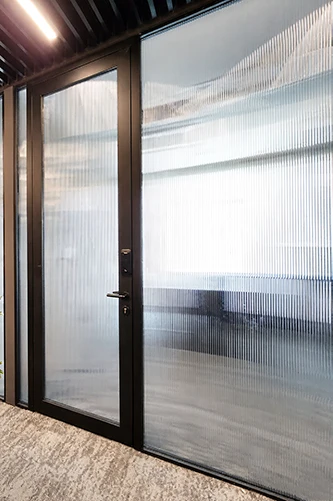
Ask how the texture reads when mounted vertically versus horizontally, because orientation changes both the privacy and the light across the room, and check lead-time on tinted or thick stock, which is often longer than clear. Treat the conversation as a specification exercise, not a colour pick.
Where safety treatment fits into the spec, the laminated view is worth a read ⇒ Related Post: "What Is The Difference Between Laminated Glass And Normal Glass?"
About Luck Glass
Luck Glass is a glass processing manufacturer focused on the deep-processing of decorative and obscure glass for both residential and commercial projects. Across our ranges we produce acid-etched, frosted, painted, fabric, textured and patterned glass, supplied as cut-to-size panels with the finish, color and safety treatment each project needs - tempered, laminated, or a combination of both. Our multiple deep-processing lines support consistent batches across large orders, and we work with distributors, contractors and brands in many countries worldwide. From a private shower panel to a multi-floor commercial partition, our fabrication is cut-to-size and matched to project drawings.
FAQ
What do you call patterned glass?
You call it patterned glass, but it is also named figured glass, textured glass or rolled glass depending on who is specifying it. "Figured" is the mill label, "textured" places it in the decorative family, and "rolled" names the process. The specific design then gets its own name, such as reeded or fluted.
Is patterned glass the same as textured glass?
No - patterned glass is one branch of the textured-glass family. Textured glass covers any surface with a non-flat finish, including acid-etched and frosted, while patterned glass specifically means a repeating raised design rolled into the sheet. The terms overlap but are not identical.
What is the difference between patterned glass and frosted glass?
Patterned glass carries a repeating three-dimensional design, while frosted glass has an even satin finish with no repeating pattern. Frosting softens and obscures but stays flat; patterning adds a visible relief that catches light. A panel can even be both, when a pattern is also acid-etched for extra privacy.
Can patterned glass be cut to size and safety-treated?
Yes. Patterned glass is cut to size from the rolled sheet, then supplied as tempered or laminated as the location requires. The pattern is formed before any safety treatment, so tempering or laminating afterwards does not affect the design. Confirm the exact thickness and edge work with your supplier.
Summary
You call it patterned glass, but the same material is also known as figured glass, textured glass or rolled glass - four names for one rolled product, plus a specific pattern name such as reeded or fluted. Its patterned glass texture is pressed in by engraved rollers, so it cannot wear off, and it ranges from fine ribs to deep relief. You will see it most on patterned glass windows, patterned shower glass and patterned shower panels, where it pairs privacy with daylight; ordered as patterned glass cut to size, it can be tempered or laminated for the opening. When specifying, lead with the effect you need, confirm the exact pattern with a sample, and keep one family name consistent across the order.