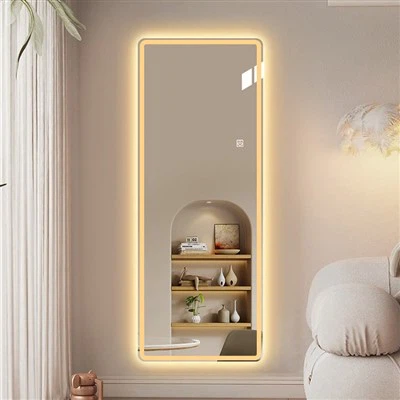
Sandwich glass means a glass build where two sheets of glass are permanently bonded together with a middle layer in between. That middle layer is usually a clear plastic film (PVB or EVA) for safety glass, or a woven textile for the decorative fabric sandwich glass look. The name comes from the layering itself: glass on the outside, "filling" in the middle, glass again - the same way a sandwich has bread on both sides and a filling in the centre. In short, sandwich glass is simply another name for laminated glass described by its structure, and when the filling is a fabric it becomes a popular material for partitions and feature walls.
What "Sandwich Glass" Actually Means
The term is not a separate glass type with its own chemistry; it is a structural description. Any time you have glass + interlayer + glass, you have a "sandwich." This is why the phrase appears in both technical and design contexts: engineers use it to describe laminated safety glass, while interior specifiers use it for the fabric-filled decorative version.
The Glass–Layer–Glass Stack
A sandwich glass panel is literally three parts stacked: an outer glass sheet, a continuous interlayer, and an inner glass sheet. The two glass sheets do not touch each other - the interlayer sits between them and is bonded under heat and pressure so the whole panel behaves as one piece. That bonded stack is what gives the product its name and its safety behaviour.
Why It's Called "Sandwich"
The name is borrowed from food. Just as a sandwich has two slices of bread with a filling, sandwich glass has two slices of glass with a filling (the interlayer). The analogy is handy because it tells you the most important thing about the product in one word: there is something inside. For buyers, that single word is a quick signal that the panel is laminated, not a single pane.
To see how this stacks up against ordinary glass, the comparison is useful ⇒ Related Post: "What Is The Difference Between Laminated Glass And Normal Glass?"
How Sandwich Glass Is Built
Every sandwich glass panel is made the same way, varying only in the glass type and the interlayer chosen.
The Two Glass Sheets
Either sheet can be annealed or tempered. Tempered glass is common where impact resistance or a safety grading is required - balustrades, doors and large partitions. The thickness of each sheet is chosen by the application: 3 mm, 4 mm, 5 mm, 6 mm or thicker, paired symmetrically or asymmetrically depending on the design.
The Interlayer - PVB, EVA or Fabric
The middle layer decides the panel's character. PVB (polyvinyl butyral) and EVA (ethylene-vinyl acetate) are clear films used for safety laminated glass; they hold the glass together if it breaks. A woven fabric interlayer is used for decorative fabric laminated glass, where the textile is the visible "filling." This is where sandwich glass design gets interesting, because the fabric can be a fine grid, an organic weave or a bold pattern - each giving the panel a different personality while keeping it transparent.
Fabric Sandwich Glass
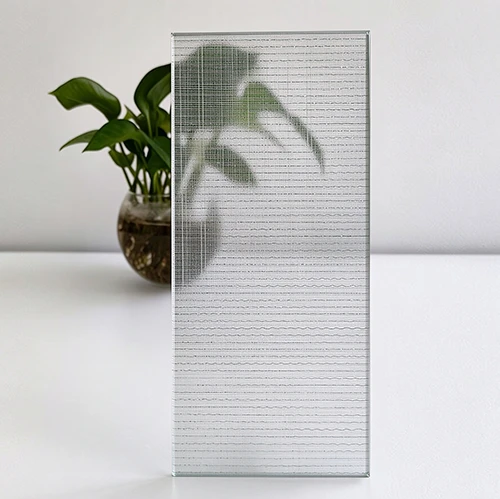
In our fabric sandwich glass, two clear glass sheets enclose a fine, dense grey-silver grid mesh. The glass stays transparent, so you see the mesh and still see through it to objects behind - a soft, textured privacy without going fully opaque. It can be specified in clear, bronze (amber), green, blue or grey tints, and in sheet sizes such as 2440×1830 mm, 1650×2200 mm and 1900×3000 mm. That combination of see-through clarity and woven texture is exactly what makes fabric glass a favourite for designers who want pattern without losing light.
For the complete build and material options, start here ⇒ Related Post: "What Is Fabric Laminated Glass? Complete Guide"
Sandwich Glass Design Ideas
Because the interlayer is visible, sandwich glass is as much a design material as a structural one.
Partitions and Room Dividers
A fabric-filled sandwich panel divides a space while keeping light moving. Because the interlayer diffuses the view, it gives privacy without the closed-in feel of a solid wall - ideal where you want separation but not darkness.
Feature Walls and Backdrops
Behind a reception desk or in a restaurant, a sandwich glass panel with a woven interlayer becomes a backlit feature: the fabric catches light and adds depth that flat glass cannot. The grid or weave pattern reads as intentional texture rather than a plain pane.
Cabinet and Furniture Fronts
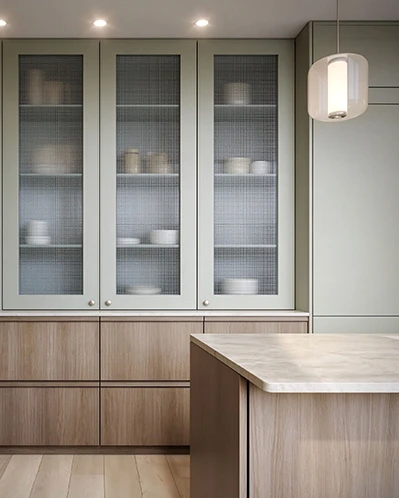
Glass-front cabinets, display cases and even tabletops use sandwich glass when a little pattern is wanted without losing the ability to see the contents. The interlayer protects the textile and keeps the whole panel safe if knocked.
See how it fits the wider decorative range ⇒ Related Post: "What Are The Different Types Of Decorative Glass? Types And Usage"
Sandwich Glass Partitions
The sandwich glass partition is one of the most common real-world uses, and it appears across very different building types.
Offices and Meeting Rooms
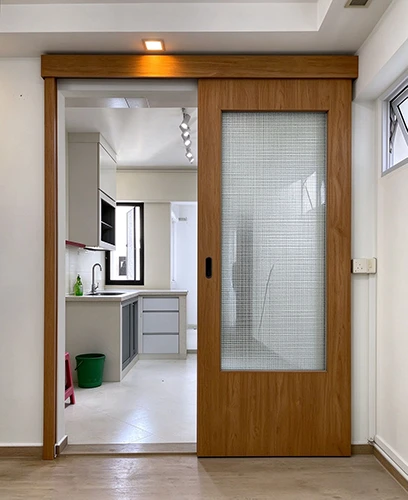
Sandwich glass partition systems are widely used in offices: they screen sound and sight between meeting rooms while letting daylight travel. Fabric interlayers soften the space compared with clear or reeded glass, which helps open-plan floors feel less clinical.
Bathrooms and Wet Areas
In showers and spa areas, laminated sandwich glass is valued because even if a panel is struck, the interlayer holds the shards. A fabric filling adds a decorative touch that plain safety glass lacks, turning a functional screen into a design feature.
Retail and Hospitality
Boutiques use sandwich glass for display walls and changeroom screens; hotels use it for lift lobbies and bar backdrops where a branded, textured surface reads as premium. The repeatable pattern helps large installs stay visually consistent.
For where these panels land in practice ⇒ Related Post: "What Is Laminated Glass Used For? Applications & Benefits"
Fabric Laminated Glass vs Sandwich Glass
Buyers often meet both terms and wonder which to specify.
Is It The Same Thing?
Yes. "Fabric laminated glass" and "sandwich glass" overlap heavily: both describe two glass sheets with a filling. When the filling is a woven textile, people use either term. "Sandwich glass" highlights the structure; "fabric laminated glass" highlights the material of the interlayer. They point to the same family of product.
When To Choose Which
Choose the wording that matches the buyer's intent. Specifiers searching for a decorative, textile-filled panel often type "fabric laminated glass" or "fabric glass." Those comparing build-ups or partitions may search "sandwich glass partition" or "sandwich glass design." The product is the same; only the angle differs, so both terms deserve a place in your specification language.
The layer in the middle is the real story ⇒ Related Post: "What Is An Interlayer in Glass? Types And Uses"
Reading A Sandwich Glass Specification
Understanding the spec prevents costly mismatches on site.
Thickness and Build-Up
A laminated panel's total thickness is the sum of the two glass sheets plus the interlayer. A common build is 6.38 mm laminated glass: 3 mm glass + 0.38 mm interlayer + 3 mm glass. Other builds (for example 5+0.38+5 = 10.38 mm) are used where more rigidity is needed. When you compare laminated glass sheets, always read the build-up, not just the total millimetres, because the interlayer type changes the performance.
Sheet Sizes
Standard and jumbo sizes exist, but decorative fabric panels are usually cut to project size. Luck Glass supplies fabric sandwich glass in sizes such as 2440×1830 mm, 1650×2200 mm and 1900×3000 mm, and can cut to drawing so the panel drops straight into the frame.
For the numbers behind the build ⇒ Related Post: "What Is The Recommended Interlayer Thickness For Laminated Glass?"
Where To Use Sandwich Glass
The same panel works in homes and in large commercial fit-outs.
Residential Projects
Homeowners use it for shower screens, internal partitions, staircase balustrades and kitchen cabinet fronts - anywhere a safe, pretty, light-filtering panel is wanted without sacrificing the sense of space.
Commercial Projects
Offices, hotels, hospitals and shops use sandwich glass partitions and feature walls at scale, where consistent batches across many panels matter. When sourcing, compare laminated glass manufacturers on interlayer quality, edge finishing and batch consistency - the same laminated glass sheets and fabric builds are detailed on our fabric glass product page.
Before you specify, weigh the trade-offs ⇒ Related Post: "What Are The Downsides Of Laminated Glass?"
About Luck Glass
Luck Glass is a glass processing manufacturer focused on the deep-processing of decorative and obscure glass for both residential and commercial projects. Across our ranges we produce acid-etched, frosted, painted, fabric and textured glass, supplied as cut-to-size panels with the finish, color and safety treatment each project needs - tempered, laminated, or a combination of both. Our multiple deep-processing lines support consistent batches across large orders, and we work with distributors, contractors and brands in many countries worldwide.
For sandwich and fabric designs, our fabric laminated glass can be specified in clear, bronze, green, blue or grey interlayer tints and in sheet sizes including 2440×1830 mm, 1650×2200 mm and 1900×3000 mm. Standard safety builds like 6.38 mm laminated glass (3 mm + 0.38 mm interlayer + 3 mm) are available for partition and balustrade work, and panels are cut to your drawings. From a private bathroom partition to a multi-floor commercial fit-out, our fabrication is cut-to-size and matched to project drawings.
FAQ
What does "sandwich glass" mean?
Sandwich glass is two glass sheets bonded together with a middle layer, or interlayer, between them. The interlayer can be a clear safety film such as PVB or EVA, or a woven fabric for decorative use. The name describes the build: glass on the outside, "filling" in the middle, glass again.
Is sandwich glass the same as laminated glass?
Yes. Sandwich glass is a structural way of describing laminated glass. Both mean two glass sheets joined by an interlayer. The terms overlap completely; "sandwich glass" stresses the layered build, while "laminated glass" is the standard industry term.
What is fabric sandwich glass?
Fabric sandwich glass is a laminated panel where the interlayer is a woven textile instead of a clear film. Two clear glass sheets enclose a fabric mesh, so you see the weave yet still see through the glass. It is used for partitions, feature walls and furniture fronts where a textured, light-filtering surface is wanted.
What is sandwich glass used for?
It is used wherever a safe, private, light-filtering panel is needed: office and meeting-room partitions, bathroom and shower screens, retail display walls, hotel backdrops, and residential balustrades or cabinet fronts. The interlayer adds privacy and, for fabric versions, a decorative pattern.
How thick is sandwich glass?
Total thickness equals the two glass sheets plus the interlayer. A common build is 6.38 mm laminated glass (3 mm + 0.38 mm interlayer + 3 mm). Thicker builds such as 10.38 mm (5+0.38+5) are used where more rigidity is required. Always read the full build-up, not just the total millimetres.
Can sandwich glass be customized?
Yes. Fabric sandwich glass can be specified in clear, bronze, green, blue or grey tints and in sheet sizes such as 2440×1830 mm, 1650×2200 mm and 1900×3000 mm, then cut to project drawings. Standard safety builds like 6.38 mm laminated glass are also available for partition and balustrade work.