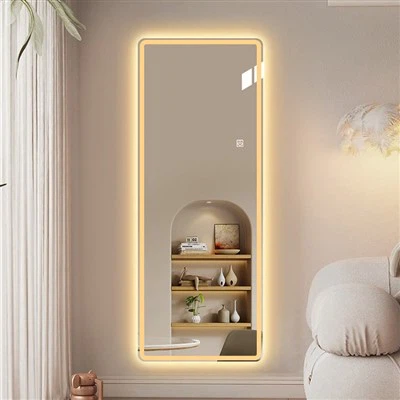
Short answer: glass texture is the visible, tactile surface character of a pane - the pattern, relief or frost that sits on or inside the glass and changes how light, privacy and reflection behave. A plain pane is smooth and see-through; a textured glass panel bends, scatters or softens what passes through it. The texture can be chemical (acid-etched), mechanical (sandblasted or cast) or printed, and it is what turns a sheet of glass into a design material for decorative glass panels and doors.
What "Glass Texture" Actually Means
Most people picture glass as either clear or tinted. Texture is the third dimension: not the color,  but the surface. Understanding that distinction is the first step to specifying the right panel.
Surface, Not Just Color
A tinted pane is still optically smooth - you look through it and see a colored version of what is behind. A textured pane is physically different on its face or through its body, so light is interrupted, bent or scattered. That is why a textured glass panel can read as private even when it is fully transparent. The effect comes from shape, not shade.
Texture Vs Tint Vs Coating
Tint sits in the glass mass and changes hue. A coating is a thin film added on top, often for solar or mirror effects. Texture, by contrast, is built into the surface or the casting and cannot simply be wiped off. The three are not mutually exclusive - a panel can be tinted, coated and textured at once - but only texture changes the relief you can see and feel.
The "look" side of texture is covered in more detail here ⇒ Related Post: "What does textured glass look like?"
How Glass Texture Is Made
Every texture traces back to a process. Knowing the process tells you how durable, how private and how repairable the result will be.
Acid-Etched And Frosted
Acid etching bites a uniform microscopically rough surface into a smooth pane, producing the even "frosted" haze. It is consistent, easy to clean and keeps the glass flat. This is the workhorse finish for decorative glass panels that need soft privacy without a visible pattern.
Cast And Rolled (The Ribbed Look)
Cast or rolled glass is formed between patterned rollers while molten, locking a relief into the body of the glass. This is how reeded, fluted, hammered and geometric patterns are born - and why they survive cutting, tempering and decades of use. The relief is permanent because it is the glass itself, not a surface film.
Sandblasted And Printed
Sandblasting sprays abrasive to frost a chosen area, useful for logos or gradients. Printing (ceramic frit or digital) lays a pattern in ink fired into the surface. Both can add texture or just imagery; sandblasting in particular is often the route to a custom, non-standard relief.
Patterned and cast finishes share the same root process - the naming is explained here ⇒ Related Post: "What do you call patterned glass?"
The Main Types Of Glass Texture
Within those processes, a few families show up again and again in homes and commercial fit-outs.
Reeded, Fluted And Linear
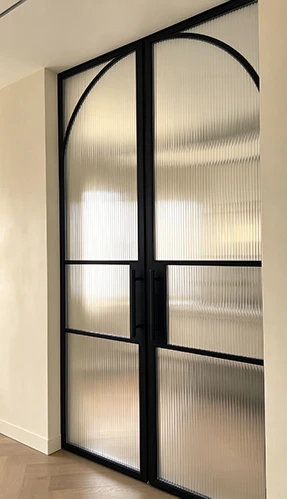
Fine parallel vertical ribs - whether a supplier calls them reeded or fluted - are the most common modern texture. They blur what sits behind while still passing light, and they read as crisp and architectural. This is the look most people now picture when they say "textured glass."
Hammered And Organic
Hammered and other organic reliefs break up the surface with irregular dimples or waves, scattering light in every direction. They feel handmade and lively, and they hide fingerprints and smears far better than a flat pane.
Geometric And Floral Cast
Rolled patterns also come in grids, lattices, foliage and abstract motifs. These lean decorative rather than minimal, and they are a direct descendant of the classic "patterned glass" used in 20th-century interiors. They suit feature panels more than whole walls.
How reeded compares to its closest cousin is spelled out here ⇒ Related Post: "What is the difference between fluted and reeded glass?"
Why Texture Matters In A Room
Texture is not only aesthetic. It solves three practical problems that a flat pane cannot.
Privacy Without Losing Light
An obscure texture lets daylight travel through while hiding the detail behind it. That is the core trade glass offers: brightness preserved, sightline broken. It is why bathrooms and street-facing entries reach for texture first.
Hiding Contents And Mechanics
Behind a textured glass panel, you can hide shelving clutter, plumbing, electrical gear or a messy pantry while keeping the surface serene. The eye reads "finished" even when the back is not.
Light, Shadow And Depth
Because texture interrupts light, it throws soft shadows and adds a sense of depth a flat pane never could. A single reeded screen can make a small room feel layered rather than boxed.
How much privacy each texture actually gives is measured here ⇒ Related Post: "How Private Is Textured Glass? Light, Doors And Panels"
Where Textured Glass Panels Go
The same panel type moves from room to room. The relief changes the mood; the placement changes the job.
Doors, Entries And Sidelights
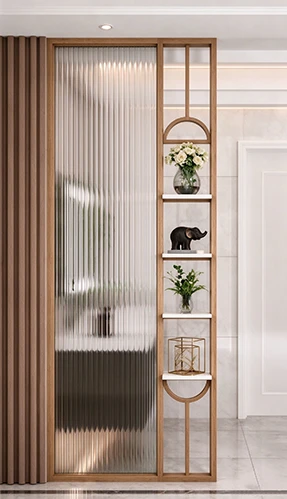
This is where decorative glass front doors earn their keep. A reeded or obscure cast panel set into the door - or into a matching sidelight - softens the view of a hallway without blocking daylight. The entry reads welcoming and bright yet still private from the street.
Bathrooms And Showers
Shower screens, vanity fronts and window inserts use texture to keep the bathroom open to light while screening the view. Fine linear textures are popular here because they feel clean and contemporary.
Cabinets, Shelves And Partitions
Kitchen cabinet doors, bookcase backs and office partitions all take textured glass panels to hide contents and add craft. In an open plan, a textured partition gives quiet separation without a solid wall.
The ribbed variant is having a real design moment - the trend is tracked here ⇒ Related Post: "Is reeded glass back in fashion?"
Choosing A Textured Glass Sheet
Specifying well means matching the relief to the job and the safety rules.
Thickness, Size And Cut-To-Size
Textured glass sheets are supplied cut to size in common thicknesses and framed or set into openings as drawn. Cast textures keep their relief through cutting; very deep relief may need a small flat border so furnace rollers can handle the pane during tempering.
Safety: Tempered Or Laminated
Any panel in a door, shower or accessible location should be tempered or laminated. Tempering adds strength; lamination holds the shard if broken. For entries and balustrades, the safety treatment is not optional - it is the code.
Matching Sample To Project
Always judge texture from a physical sample in your actual lighting. A relief that looks subtle in a showroom can read strong on a sunlit wall, and vice versa. Confirm rib direction, tint and finish before a large run.
To see where texture sits inside the wider decorative family, start here ⇒ Related Post: "What are the different types of decorative glass? Types and usage"
Decorative Glass Panels As A Design Layer
Used deliberately, texture becomes a quiet design system rather than a one-off feature.
Mixing Textures In One Project
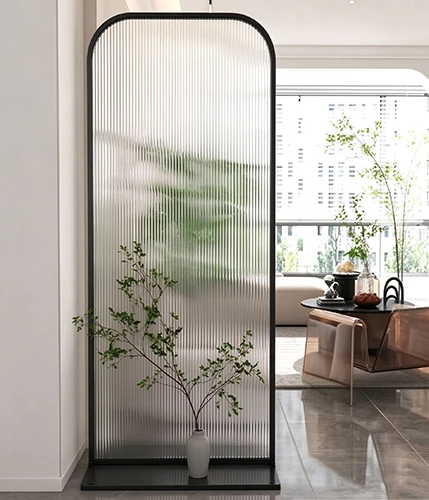
A bathroom might pair a linear shower screen with a hammered cabinet insert; an office might mix etched partitions with a reeded feature wall. The variety adds interest as long as the tones and line directions stay related.
Framed Vs Frameless
Framed panels read as furniture and are easier to swap; frameless reads as architecture and demands precise fixing. The choice shapes both the budget and the feel, so decide early in the drawing stage.
About Luck Glass
Luck Glass is a glass processing manufacturer focused on the deep-processing of decorative and obscure glass for both residential and commercial projects. Across our ranges we produce acid-etched, frosted, painted, fabric and textured glass, supplied as cut-to-size panels with the finish, color and safety treatment each project needs - tempered, laminated, or a combination of both. Our multiple deep-processing lines support consistent batches across large orders, and we work with distributors, contractors and brands in many countries worldwide. From a private bathroom partition to a multi-floor commercial fit-out, our fabrication is cut-to-size and matched to project drawings.
FAQ
What is glass texture in simple terms?
Glass texture is the surface pattern or relief on a pane that changes how light, privacy and reflection behave. It is created by acid-etching, casting, sandblasting or printing, not by color alone. A smooth pane is clear; a textured one scatters or bends light so you see a soft glow instead of a sharp view. It is what lets a sheet of glass act as a design surface.
Is textured glass the same as frosted glass?
No. Frosted glass is one type of texture, made by acid-etching or sandblasting a smooth pane to a uniform soft finish. Textured glass is broader and includes cast patterns with relief - reeded ribs, hammered dimples, geometric rolls. A frosted panel reads as even haze; a textured panel shows a visible pattern. Many decorative glass panels combine both for privacy plus character.
Can textured glass be used for front doors?
Yes. Textured glass front doors are common because the relief gives privacy while daylight still enters. Reeded or obscure cast panels sit in the door itself or in matching sidelights, softening the view of a hallway without blocking light. For an entry, the panel should be tempered or laminated for safety and specified to the door's cut size.
Can textured glass sheets be cut to size and safety-treated?
Yes. Textured glass sheets are supplied cut to size in common thicknesses and can be tempered or laminated after cutting. Cast textures survive tempering; very deep relief may need a flat border for the furnace rollers. Confirm the rib direction, thickness and safety treatment with your supplier against the project drawing before ordering a large run.
Summary
Glass texture is the surface pattern or relief on a pane - from acid-etched frost to cast reeded ribs - that controls light, privacy and reflection. It is what turns a plain sheet into a design material used across decorative glass panels, decorative glass front doors, textured glass panels and textured glass sheets. The main families are etched, cast, sandblasted and printed, each suited to different rooms and safety needs. Choose by sample: confirm the relief, thickness and tempering with your supplier, and let texture do the work of privacy and light where a flat pane cannot.