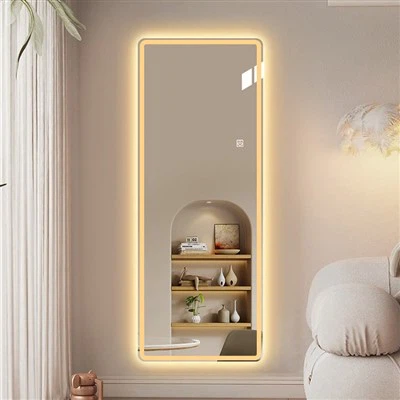
In a decorative-glass catalogue, a "water glass" is not a drinking tumbler and it is not several products either. It is one clear rolled glass sheet with a water-like relief pressed into its surface - and it travels under four interchangeable names: water cube glass, water pattern glass, water glass pattern, and the category term patterned glass panels. The wording changes with the mill, the market and the catalogue; the sheet does not. It is the same product with the same surface, sold to partitions, doors and feature windows.
Why "Water Glass" Needs Context
In everyday English, "water glass" is simply a glass for drinking water. In architecture and interiors, the same two words drift toward a visual description: glass that looks as if water has shaped its surface.
The Drinking-Glass Confusion
Because the term is shared, product searches can return tumblers instead of architectural sheets. That is why suppliers usually add a second word - cube, pattern, ripple or wave - to make the meaning clear. When you see "water glass" on its own in a decorative-glass context, read it as shorthand for water-patterned architectural glass.
Why So Many Names For One Sheet
Patterned glass naming has never been standardized. A mill names a roller pattern once, distributors translate or re-brand it, and different markets adopt whichever word reads best locally. The result is that a single relief appears in several catalogues under several titles, none of them wrong. For a buyer the practical consequence is simple: treat the names as aliases, and confirm the actual surface with a sample.
To see how widespread this naming overlap is across the whole family, start here ⇒ Related Post: "What Do You Call Patterned Glass?"
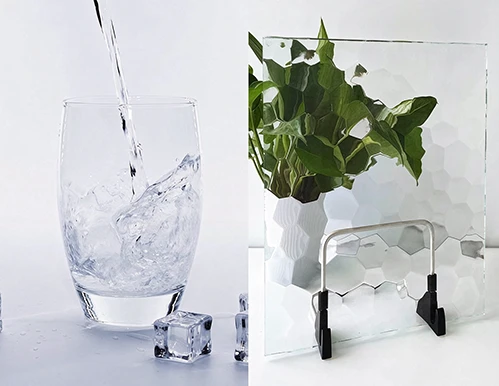
One Product, Several Names
The four names do not describe four products. They describe one rolled sheet, named from four different angles. "Water cube glass" leads with the cell-like, faceted geometry of the relief. "Water pattern glass" leads with the water-like shimmer that same relief throws as light moves across it. "Water glass pattern" is simply a word-order variant used in some catalogues, and "patterned glass panels" is the category term that contains the product. In every case the sheet behind the name is identical. Some suppliers go further and file the identical relief under honeycomb or ice-cube titles; the list of names grows, the glass does not change.
What This Means When You Buy
Because the names are interchangeable, ordering by name alone is unreliable. Two suppliers quoting "water pattern glass" may be holding different rollers, and one supplier may quote the same product twice under two names. Order by sample and by measured relief, then keep one name consistent on the purchase order so nobody re-quotes the same sheet.
The wider decorative family these aliases sit inside is mapped here ⇒ Related Post: "What Are The Different Types Of Decorative Glass? Types And Usage"
What The Surface Actually Looks Like
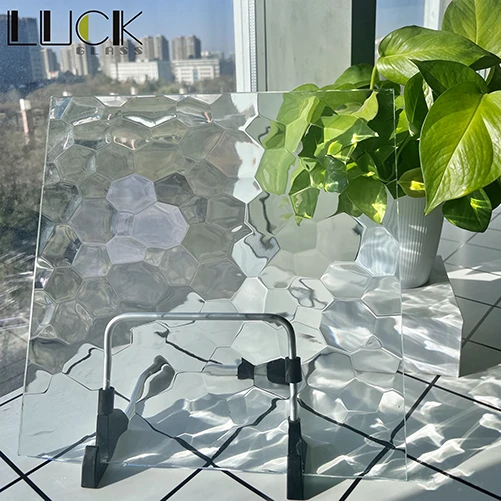
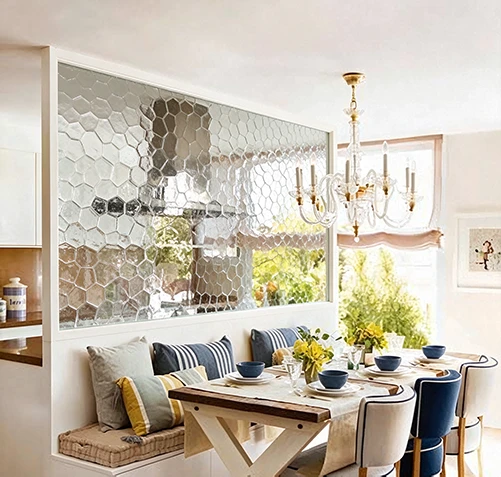
Strip away the naming and there is only one surface to describe: a clear, colourless glass sheet carrying a grid of raised cells.
The Cellular Relief
The relief is a repeating field of faceted cells - roughly hexagonal in outline, domed slightly at the centre and angled at the edges. Across a typical sample panel the grid runs about eight cells wide and nine rows tall, so each cell is large enough to be read individually from a metre away rather than looking like a fine sandblast texture.
How It Distorts The View
Each faceted cell acts like a small lens. Light passing through is bent in several directions at once, so whatever sits behind the panel is broken into angular shards that shift as the viewer moves. The effect is optical, not opaque: the glass never turns milky, it simply refuses to resolve a clean image.
For a direct read on how much a textured surface reveals, this comparison helps ⇒ Related Post: "What Does Textured Glass Look Like? - Privacy & Door Panels"
Is Water Cube Glass See-Through?
Yes. Whichever name you use, the product stays fully transparent and colourless - not frosted, not hazy and not tinted grey. What it does is scramble the view rather than block it.
How Much Privacy It Gives
The privacy level sits in the middle: shapes, colours and movement behind the panel remain readable, but detail and identity do not. From a few paces away a person becomes a silhouette; close to the glass the view sharpens again. That makes it a privacy-glass option rather than a blackout option.
Where That Balance Works Best
This is exactly the balance wanted in wet areas and shared interiors - enough obscuration to feel private, enough transmission to keep a small room bright. If total concealment is the requirement, a deeper pattern or an acid-etched finish is the right move instead.
To compare how see-through different textured finishes really are, read this ⇒ Related Post: "Is Textured Glass See Through?"
Where It Is Used
Because one product carries all four names, the applications are equally unified: any place that needs daylight plus a degree of concealment.
Shower Enclosures And Bathroom Windows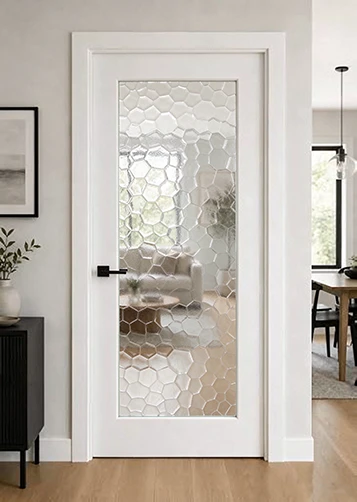
The panel turns a shower into a light-filled, semi-private box. The relief scatters the view without cutting daylight, and because the cells are formed into the glass there are no grooves to trap soap residue.
Internal Partitions And Office Dividers
In commercial interiors the panel divides space without closing it. The faceted surface picks up reflections from ceiling lights and desk lamps, which keeps a plain partition visually alive.
Cabinet Doors And Feature Windows
Smaller cut panels work well in furniture - cabinet doors, display cases and wardrobe inserts - where the texture hides clutter while the piece still reads as open. A feature window beside a front door gets privacy and curb appeal in the same sheet.
For the door-specific trends these panels feed into, read this ⇒ Related Post: "What Is The New Trend For Front Doors?"
How The Pattern Gets Into The Glass
The relief is created during forming, not afterwards, and that single fact explains most of the product's behaviour.
Rolled, Not Etched Or Coated
Molten glass passes between engraved rollers that press the cell pattern into the surface while the sheet is still soft. The texture is therefore part of the body of the glass. It cannot peel, flake or wear off, and it survives cutting, tempering and laminating without change.
Cut-To-Size And Safety Treatment
The panel is normally supplied cut to the opening and can be tempered for strength or laminated to hold together if broken. Tempering matters for doors and low-level glazing; laminating matters for overhead or high-traffic locations. The pattern itself is unaffected by either process.
For the laminated side of the same family, this overview is useful ⇒ Related Post: "What Are The Different Types Of Laminated Glass?"
How To Specify It Correctly
Since the four names overlap, the specification has to carry the detail that the name cannot.
Lead With The Effect And The Sample
Describe the relief you want - cellular and faceted, clear rather than frosted - and ask for a physical sample. A swatch settles both the name and the look in one step, and it removes the risk of receiving a different roller under the same title.
Confirm Base Glass And Treatment
Check whether the sample is clear or low-iron, and confirm whether the order will be annealed, tempered or laminated. The pattern stays identical across all three, but the base glass and the safety treatment decide how the finished panel performs.
If the real driver is privacy in a bathroom, this guide is the next step ⇒ Related Post: "How Private Is Textured Glass? Privacy Levels And Best Uses"
About Luck Glass
Luck Glass is a glass processing manufacturer focused on the deep-processing of decorative and obscure glass for both residential and commercial projects. Across our ranges we produce acid-etched, frosted, painted, fabric, textured and patterned glass, supplied as cut-to-size panels with the finish, color and safety treatment each project needs - tempered, laminated, or a combination of both. Our multiple deep-processing lines support consistent batches across large orders, and we work with distributors, contractors and brands in many countries worldwide. From a private bathroom partition to a multi-floor commercial fit-out, our fabrication is cut-to-size and matched to project drawings.
FAQ
What is a water glass called in decorative glass?
In decorative glass, "water glass" refers to one rolled patterned sheet sold under four interchangeable names: water cube glass, water pattern glass, water glass pattern, and patterned glass panels. They are aliases for the same clear, water-relief product, not separate materials.
Are water cube glass and water pattern glass different products?
No. Both names describe the same sheet. "Water cube" leads with the cell-like geometry of the relief, "water pattern" leads with the shimmer that relief throws, but the glass, the roller and the performance are identical.
Is water cube glass transparent or frosted?
It is transparent and colourless, not frosted. The faceted cells refract light so the view behind the panel breaks into angular shards, but the glass itself never turns hazy or milky.
Can this patterned glass be tempered or laminated?
Yes. Because the relief is rolled into the body of the glass, the sheet can be tempered for strength or laminated for safe breakage behaviour without losing the pattern. Tempering is usual for doors and low-level glazing, laminating for overhead or high-traffic areas.
Does the pattern need a specific base glass?
The pattern is compatible with clear or low-iron base glass. Low-iron keeps the sheet as neutral and colourless as possible, while standard clear glass may carry a faint green edge tint.
Summary
A "water glass" in decorative glass is one product with four names - water cube glass, water pattern glass, water glass pattern, or patterned glass panels - not a set of different materials. Every name points to the same clear, colourless rolled sheet whose surface carries a faceted cellular relief that refracts the view into angular shards while letting daylight through. The relief is pressed in during forming, so it survives cutting, tempering and laminating. Because naming varies between mills and markets, the reliable way to specify is to describe the effect, request a sample, confirm the base glass and safety treatment, and keep one name consistent on the order.