Solar glass is most often a type of low-iron patterned glass - specifically, a transparent photovoltaic glass built to sit over solar cells. In our range, that product is Patterned Solar Glass: a colorless, finely textured pane whose super light transmittance rate is what makes it perform on a solar panel. It is also known in the market as photovoltaic glass and energy saving glass.
Patterned Solar Glass: A Category Built For Light
Within the wider patterned-glass family sits a specialized product built for a single job: catching light.  Patterned Solar Glass is our solar-grade rolled glass, and it deserves a closer look because it is easy to confuse with decorative patterned glass.
What patterned solar glass actually is
Patterned Solar Glass is a transparent, low-iron rolled glass with a very fine, uniform surface texture. Unlike the bold relief you see on bathroom or furniture glass, its pattern is deliberately subtle - a micro-texture tuned to scatter reflected light without blocking the light that needs to pass through. The base is ultra-clear low-iron glass, so the pane stays colorless rather than taking on the green tint of standard float glass.
Why the low-iron base matters
The "low iron" in low iron glass is not a marketing phrase - it refers to the iron content of the raw material. Standard float glass carries enough iron to read as a faint green edge, and that tint quietly absorbs a slice of the visible and near-infrared light passing through. Low-iron glass strips most of that iron out, so the pane stays colorless and lets more light through. On a building window the difference is cosmetic; on a solar panel it is functional, because every photon blocked at the front glass is a photon the cell never converts. That is why our Patterned Solar Glass starts from a low-iron base rather than a standard one.
Why it is called low iron, photovoltaic and energy saving glass
The three names describe the same product from three angles. Patterned Solar Glass is one kind of low iron glass - the low-iron base is what keeps it colorless and maximizes transmission. It is also called photovoltaic glass because it is the front sheet of a photovoltaic module, sitting above the solar cells. And it is called energy saving glass in some markets because its super light transmittance rate lets a solar panel convert more of the sunlight that hits it. All three terms point back to one pane: a transparent, finely patterned, solar-grade glass.
Reading the fine surface pattern
The texture on solar glass looks subtle on purpose. A bold decorative relief would scatter and block too much light, which is exactly what a photovoltaic front sheet must avoid. The fine, uniform pattern on our Patterned Solar Glass does two quiet jobs at once: it breaks up direct reflected glare so the panel is not simply mirroring sunlight back to the sky, and it keeps surface transmission high enough that the cells underneath still receive the bulk of the light. The result reads as almost clear glass with a soft, even tooth - visible up close, invisible from a distance.
click to get patterned solar glass!
For reference, here is how the product sits against the broader category:
|
Property |
Patterned Solar Glass |
Typical Decorative Patterned Glass |
|
Base glass |
Low-iron, ultra-clear |
Standard or low-iron |
|
Surface pattern |
Fine, uniform micro-texture |
Bold or subtle decorative relief |
|
Main job |
Maximize light transmission |
Privacy, decoration, obscuration |
|
Typical use |
Solar panels / photovoltaic modules |
Interiors, partitions, doors |
|
Color |
Colorless |
Clear, tinted or printed |
Where patterned solar glass goes
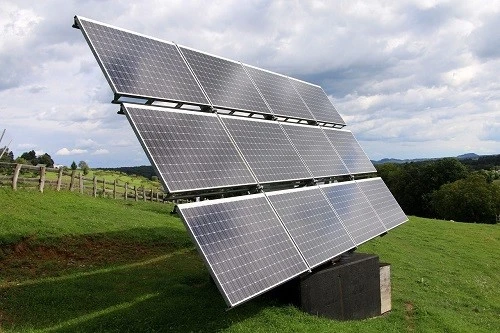
Because of its super light transmittance rate, Patterned Solar Glass is mainly used on solar panels, where every percentage point of captured light matters. It forms the protective front surface of photovoltaic modules, letting sunlight reach the cells while shielding them from weather and mechanical stress. The same low-iron, high-transmission pane also appears in solar greenhouses and some daylighting systems.
To see how this product differs from the everyday version, start here ⇒ Related Post: "What is a patterned glass?"
Where Patterned Glass Is Usually Sold
Patterned glass is not something you pick up at a general hardware store. It moves through a supply chain built around glass professionals. The most common routes are dedicated pattern glass suppliers, regional glass distributors, and factories that sell both stock sheets and cut-to-size work. Many buyers also source through building-material trading companies or directly from a processor that runs its own rolling and tempering lines.
What matters more than the channel is what the seller controls. A supplier that owns its deep-processing lines can hold pattern consistency across a large order, match a sample, and handle edgework or safety treatment in-house. A pure trader may be cheaper on a small lot but will struggle with tight tolerances or a repeat batch six months later.
Stock, project and OEM channels
Patterned glass reaches buyers through three broad channels, and the right one depends on the shape of the order. Stock and small-lot supply comes from distributors and local glass shops that keep common patterns on the shelf for quick cuts. Project supply means a processor cuts and finishes glass to a specific drawing - the norm for a builder, contractor or fit-out team. OEM and ODM supply sits one level higher: a brand or distributor commissions a pattern, a thickness or a coated variant under its own label, and the factory handles the deep-processing end to end. Knowing which channel fits prevents paying project prices for a stock item, or waiting on a stock lead time for a custom run.
To understand the naming before you shop, this breakdown helps ⇒ Related Post: "What Do You Call Patterned Glass?"
Patterned Glass Panels For Real Projects
Most projects do not buy raw theory - they buy patterned glass panels cut to a drawing. A bathroom partition, a cabinet door, a shower screen or a feature wall each calls for a different pattern, thickness and edge treatment, and a capable supplier quotes against the actual panel, not a generic sheet price. The pattern you choose changes both the look and the function: a deep relief reads as private and tactile, while a faint texture quietly breaks up glare.
When you brief a supplier, lead with the application. A panel destined for a wet area needs different edgework and possibly safety treatment than one sitting in a dry display. Giving the end use up front lets the supplier flag the right glass family - which, for a solar job, points straight back to Patterned Solar Glass rather than a decorative grade.
Matching the pattern to the room
The pattern you specify should follow the room, not the catalogue. In a bathroom or wet area, a deeper relief earns its keep by obscuring the view while still passing daylight. In a kitchen cabinet or a shelving front, a faint texture hides fingerprints and smudges better than flat glass. In a feature wall or a reception backdrop, the pattern is pure statement - chosen for how it catches light, not for privacy. For a solar or daylighting job the logic inverts: the pattern stays minimal so transmission stays maximal, which is the whole point of Patterned Solar Glass.
To compare textures and what each one reads as, this guide is useful ⇒ Related Post: "What Is Glass Texture? Types, Uses And Decorative Panels"
How To Read A Patterned Glass Supplier
Not every seller that lists "patterned glass" can deliver the same thing twice. When you evaluate pattern glass suppliers,  a few checks separate the reliable from the risky. Ask what they actually control in-house: rolling, cutting, tempering, lamination. A supplier that processes its own glass can hold pattern and color consistency across a reorder; one that only resells cannot guarantee the next batch matches the first.
Sample discipline matters too. Request a physical sample of the exact pattern and thickness before committing to a large run, and keep it as the reference for inspection. For solar work specifically, confirm the glass is low-iron and rated for photovoltaic use - a decorative pane dressed up as solar glass will underperform on the panel it is meant to protect.
Certifications, traceability and after-sales
Beyond the sample, look at the supplier's paper and its process. For architectural and solar work, documented quality systems and material traceability matter because a batch that cannot be traced is a batch you cannot defend if something fails in the field. Ask how the supplier records a run - pattern lot, thickness, any coating - and whether it can supply that record with the shipment. After-sales discipline is the quiet differentiator: a supplier that replaces a genuinely out-of-spec batch without a fight is worth more than the one that simply quoted low. None of this shows up in a product listing, which is why a short factory audit or a reference call beats a pretty website.
For a related trend read on textured and patterned glass in design, this is worth a look ⇒ Related Post: "Is reeded glass back in fashion?"
About Luck Glass
Luck Glass is a glass processing manufacturer focused on the deep-processing of decorative and technical glass for both residential and commercial projects. Across our ranges we produce acid-etched, frosted, painted, fabric and textured glass - including Patterned Solar Glass within our patterned-glass line - supplied as cut-to-size panels with the finish, color and safety treatment each project needs, tempered, laminated, or both. Our multiple deep-processing lines support consistent batches across large orders, and we work with distributors, contractors and brands in many countries worldwide. From a single feature panel to a multi-site supply program, our fabrication is cut-to-size and matched to project drawings.
FAQ
Is patterned solar glass the same as photovoltaic glass?
Yes. Patterned Solar Glass is a type of photovoltaic glass; the two names describe the same solar-grade product from different angles - one names its texture, the other its job. It is a low-iron, finely textured pane made to sit over solar cells. The boundary: not every photovoltaic glass is patterned, and not every patterned glass is solar-grade, so confirm the specification before purchase.
What is the difference between patterned glass and patterned solar glass?
Patterned glass is any rolled glass with a surface texture for privacy or decoration. Patterned Solar Glass is a specialized subset: low-iron, ultra-clear and tuned for high light transmittance on solar panels. The boundary: decorative patterned glass trades on privacy and looks, while solar grades trade on maximum light capture, so they are not interchangeable on a module.
Can I buy patterned glass in custom sizes?
Yes. Most pattern glass suppliers cut to project dimensions rather than selling only stock sheets, and processors handle cut-to-size, edgework and safety treatment on request. The boundary: minimum batch sizes and lead times vary by supplier and by whether the glass needs tempering or lamination, so confirm both before you commit a date.
Where else is patterned solar glass used besides solar panels?
Mostly on photovoltaic modules, but the same low-iron, high-transmission pane also appears in solar greenhouses and some daylighting panels. The boundary: it is not a privacy or decorative glass, so it is rarely specified for bathrooms or interiors where obscuration matters, where a textured or frosted grade is the better fit.
If you are deciding which way the texture should face when installed, this answers it ⇒ Related Post: "Does Textured Glass Face In Or Out?"
Summary
You can buy patterned glass from specialized processors, distributors and pattern glass suppliers, and the right channel depends on whether you need a decorative panel or a solar-grade one. Our Patterned Solar Glass - a low-iron photovoltaic and energy saving glass with super light transmittance - is built for solar panels and similar light-capture uses. Match the supplier to the job, confirm the specification, and the glass will do what its name promises.
For a closer look at how textured glass actually appears, see ⇒ Related Post: "What does textured glass look like?"