The short answer is no - in most places it is not a crime to leave a bathroom without frosted glass. But that does not mean you can use any clear pane you like. Building codes in many regions require obscure (privacy) glazing in bathrooms, especially for windows and shower enclosures, and frosted glass is the most common, low-effort way to meet that rule. So "illegal" is the wrong word; "non-compliant" is the one that matters.
The Short Answer: Obscure Glazing Is Required, Frosted Is The Fix
Most residential building codes do not say "you must use frosted glass." They say the glazing in a bathroom must be obscure - it must block a clear view into the room from outside or from adjacent spaces. A fully transparent pane fails that test; a frosted, textured, or acid-etched pane passes it. Because frosted glass delivers privacy while still letting light through, it has become the default compliance choice for homeowners, builders, and glaziers alike.
The practical takeaway: you are rarely "breaking the law" by skipping frosted glass, but you are very likely failing a privacy standard that affects permits, inspections, and resale. Specifying an obscure product up front is cheaper than re-glazing later.
Privacy is the whole point of the rule, and this breakdown shows how much each texture actually hides ⇒ Related Post: "How Private Is Textured Glass? Light, Doors And Panels"

What The Building Code Actually Says About Bathroom Glass
Codes vary by country and even by city, but the pattern is consistent. Glazing that sits within a certain distance of a bath, shower, or toilet - and any window that a neighbor or street can see into - must be obscure. The rule is written around privacy and safety, not around a specific product name.
Where Privacy Glazing Is Required
Two zones draw the most attention. First, bathroom windows, particularly those at eye level or facing a public side of the property; these almost always need obscure glass unless they are high transom units above sightlines. Second, shower and bath enclosures where a person is directly behind the glass; here the standard is a textured or frosted pane that hides the body even when backlit. A clear shower screen may look sleek but usually fails the obscure-glazing test in a shared or street-facing bathroom.
For a plain-language look at what each privacy texture shows, this is the companion piece ⇒ Related Post: "What Does Textured Glass Look Like? Privacy & Door Panels"
Frosted Vs Obscure: Same Compliance Job
"Obscure" is the legal term; "frosted" is one way to achieve it. Acid-etched, sandblasted, patterned, and textured glasses all count as obscure because they scatter light and break up the view. That means you are not locked into a single frosted look - you can choose the pattern that fits the room and still stay compliant. Our frosted glass range covers etched, patterned, and textured options that meet the obscure-glazing definition.
The codes name a few standard obscure patterns - here is what those patterns are called ⇒ Related Post: "What Do You Call Patterned Glass?"
Frosted Glass In Showers And Screens
The shower is where obscure glass earns its keep. A frosted glass shower screen is the enclosure panel that separates a walk-in or wet-room shower from the rest of the bathroom; because the person inside stands directly behind it, the screen must be obscure, and frosted glass does that job while staying bright. The broader term frosted shower glass covers any frosted pane used inside the shower zone - screen, door, or fixed wall - and it hides the body even when the light is on and the room is steamy, which is exactly what inspectors look for. It also shows fewer water spots and fingerprints than clear glass, so it stays presentable between cleans.
For a bit of character, some projects specify a rain frosted glass look, where fine vertical streaks are combined with a soft frost so the surface reads as gentle water lines rather than a flat cloud. It softens light and hides silhouettes without closing the space in, and it pairs well with a coordinating frosted shower glass treatment on the bathroom window so the whole room reads as one design.
Which way the texture faces in a screen changes cleaning and privacy - worth a read before you specify ⇒ Related Post: "Does Textured Glass Face In Or Out?"
Frosted Glass In Windows And Panels
Windows are the other common compliance point. An obscure glass window is any window glazed with a privacy-rated pane - frosted, textured, etched, or patterned - and in a bathroom it is the unit most likely to be checked at inspection, since street- and neighbor-facing windows sit squarely in the privacy zone. Choosing an obscure glass window does not mean a dark room; modern textured and acid-etched options keep the space bright while blocking the view, and our obscure glass window options include light-transmitting patterns that satisfy code without sacrificing daylight.
When a clear pane already sits in a privacy zone, a frosted glass panel is the fastest fix. As a cut-to-size building block - used as a window insert, cabinet front, partition, or shower wall - a frosted glass panel can be toughened or laminated for safety and sized to an existing frame, bringing a non-compliant window up to code in a single same-day retrofit.
Rain frosted is one surface treatment among many; this guide maps the full texture family ⇒ Related Post: "What Is Glass Texture? Types, Uses And Decorative"
Choosing The Right Obscure Pattern
Picking the pattern is where the room's character comes in. Fine textures like rain frosted hide the view while keeping a clean, modern feel; deeper reeded or fluted ridges read more deliberately architectural. The right choice depends on how exposed the bathroom is and how much light you want to keep. In a street-facing shower, a heavier obscure pattern earns its place; in a private en-suite, a light etch may be enough. Matching the window and the enclosure to the same family keeps the result coherent rather than pieced together.
Reeded and fluted windows are popular obscure alternatives right now - see the trend ⇒ Related Post: "Is Reeded Glass Back In Fashion?"
How To Stay Compliant Without Losing Light
Compliance and brightness are not opposites. Start by mapping which panes are "privacy zones" - any window a passer-by can see into, and every shower enclosure. For those, pick an obscure glass with high light transmission: acid-etched and fine-textured patterns obscure the view but pass most daylight. Reserve clear glass only for high transom windows above normal sightlines. If you already have clear panes in a privacy zone, retrofitting a frosted glass panel is usually a same-day fix that avoids a failed inspection.
Panels can use other obscure ridges too; this compares the closest alternatives ⇒ Related Post: "What Is The Difference Between Fluted And Reeded Glass?"
About Luck Glass
Luck Glass is a glass processing manufacturer focused on the deep-processing of decorative and obscure glass for both residential and commercial projects. Across our ranges we produce acid-etched, frosted, painted, fabric and textured glass, supplied as cut-to-size panels with the finish, color and safety treatment each project needs - tempered, laminated, or a combination of both. Our multiple deep-processing lines support consistent batches across large orders, and we work with distributors, contractors and brands in many countries worldwide. From a private bathroom partition to a multi-floor commercial fit-out, our fabrication is cut-to-size and matched to project drawings.
FAQ
Is frosted glass legally required in a bathroom?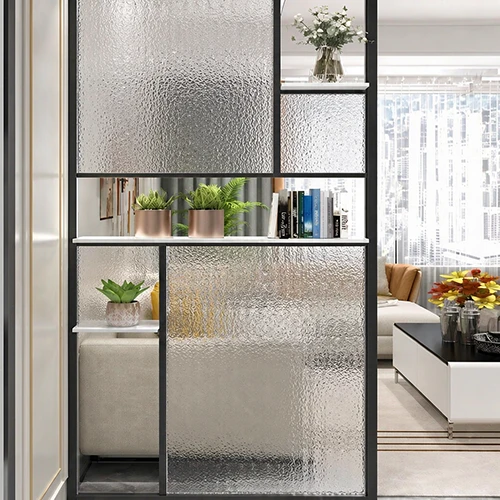
No - most codes do not name "frosted glass" specifically; they require obscure glazing that blocks a clear view. Frosted glass is the common way to meet that rule, so it is effectively the default compliance choice rather than a legal mandate.
Can a bathroom window be clear glass?
Only if it sits above normal sightlines (a high transom) or faces no observable space. A clear window at eye level that neighbors or the street can see into usually fails the obscure-glazing rule and would need frosted or textured glass to comply.
Does a shower screen have to be frosted?
In a shared or street-facing bathroom, yes - the enclosure must be obscure because a person stands directly behind it and stays visible through clear glass. A frosted or textured screen satisfies this requirement; a clear screen typically fails inspection in those locations and would need re-glazing to pass.
What counts as "obscure" glazing?
Any pane that scatters light and breaks up the view qualifies as obscure: acid-etched, sandblasted, patterned, reeded, or frosted glass all meet the definition. The test is privacy, not a specific finish, so several textures comply - but a perfectly clear pane does not, because it preserves a full sightline.
Summary
It is rarely "illegal" to skip frosted glass in a bathroom, but building codes generally require obscure glazing in privacy zones - bathroom windows and shower enclosures. Frosted glass is the standard, light-friendly way to comply, and options like rain frosted glass, frosted shower screens, and obscure glass windows let you meet the rule without closing the room off. Specifying an obscure pane up front avoids failed inspections and costly re-glazing later.